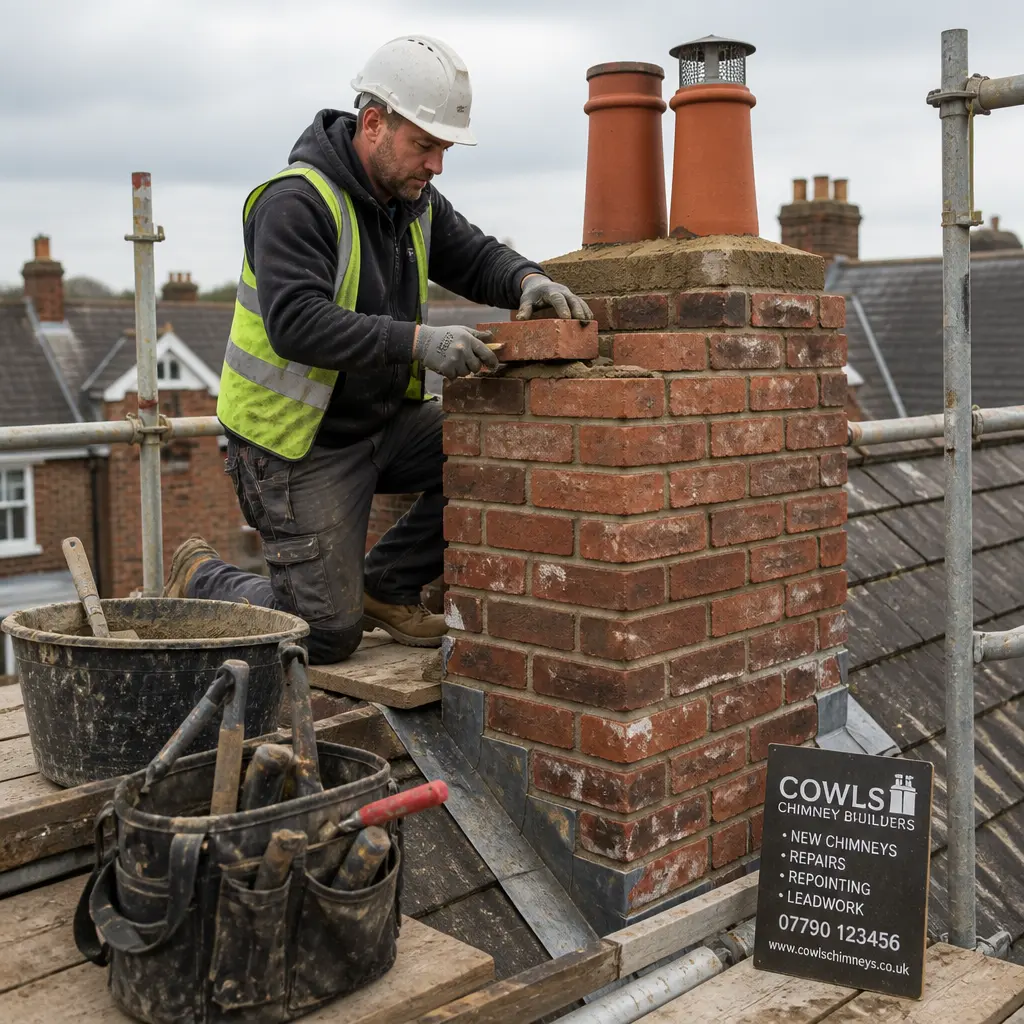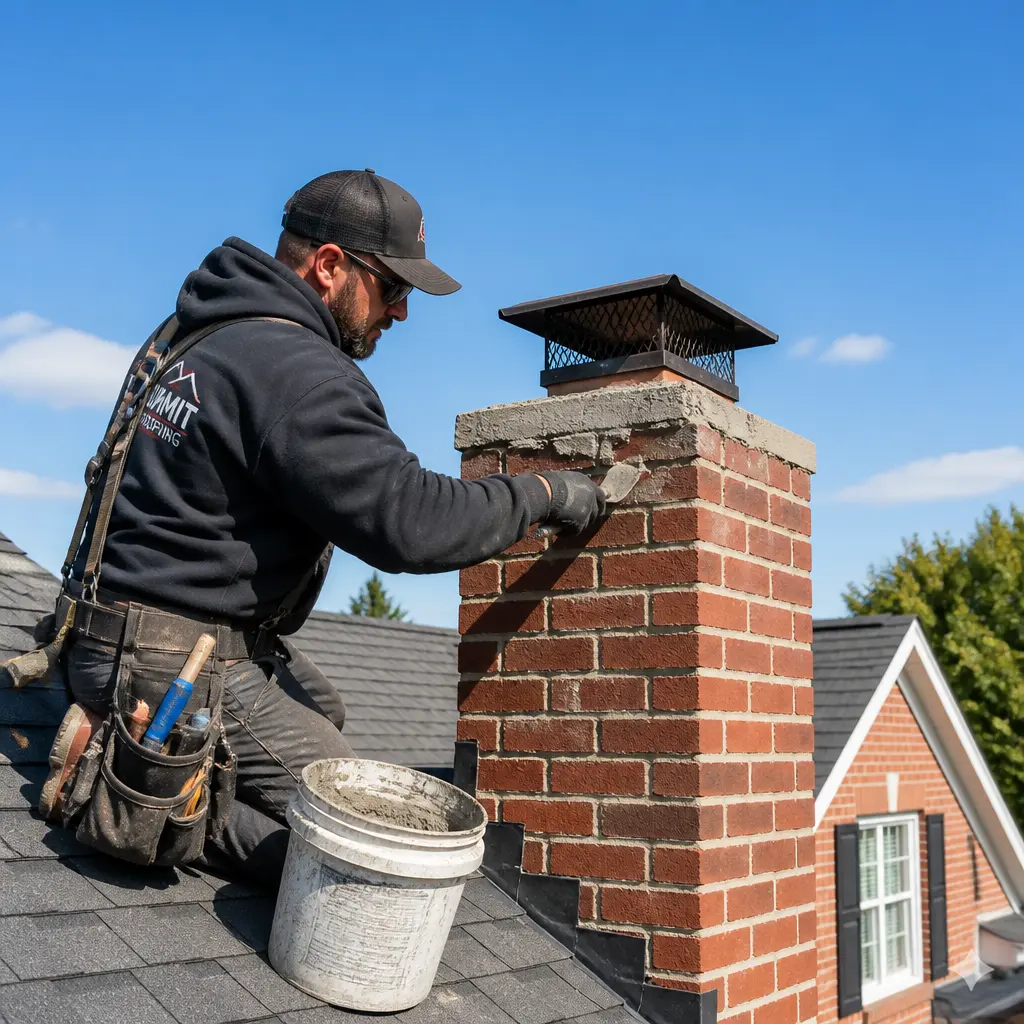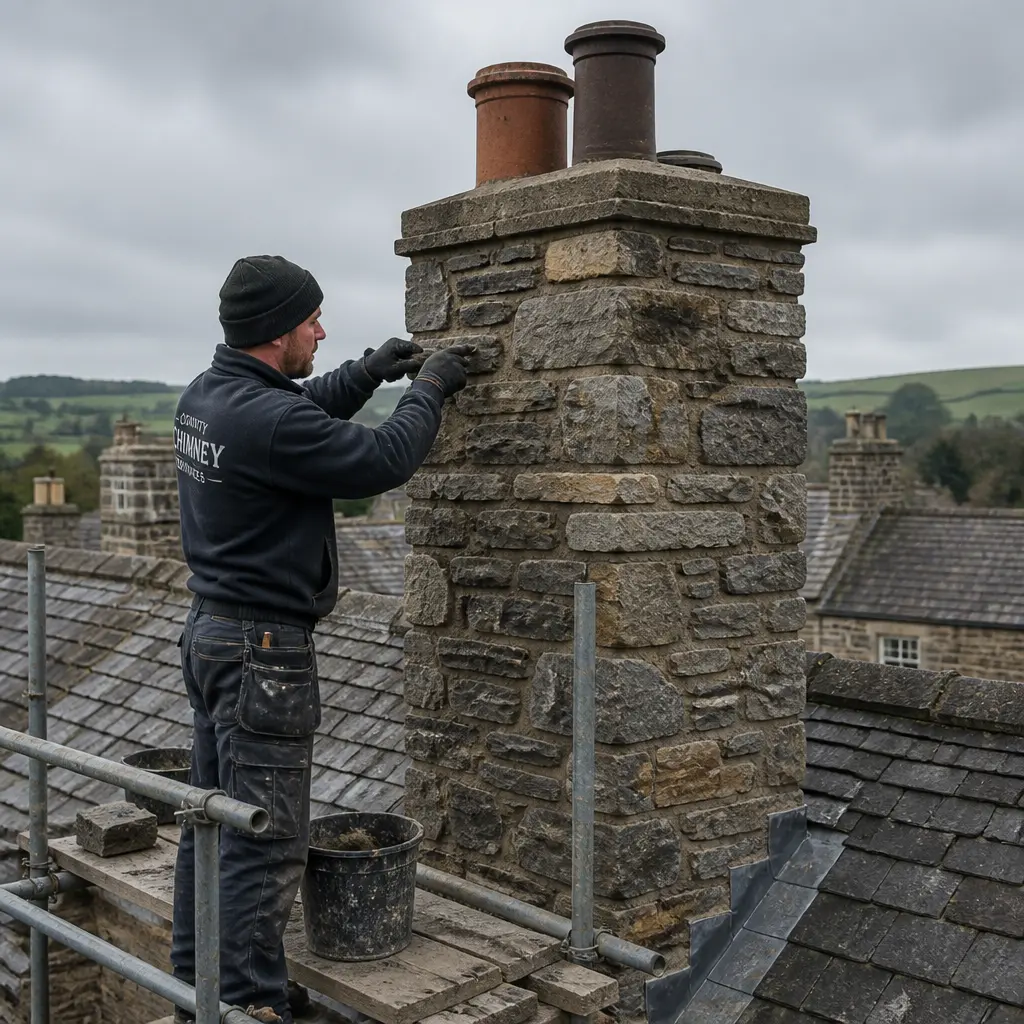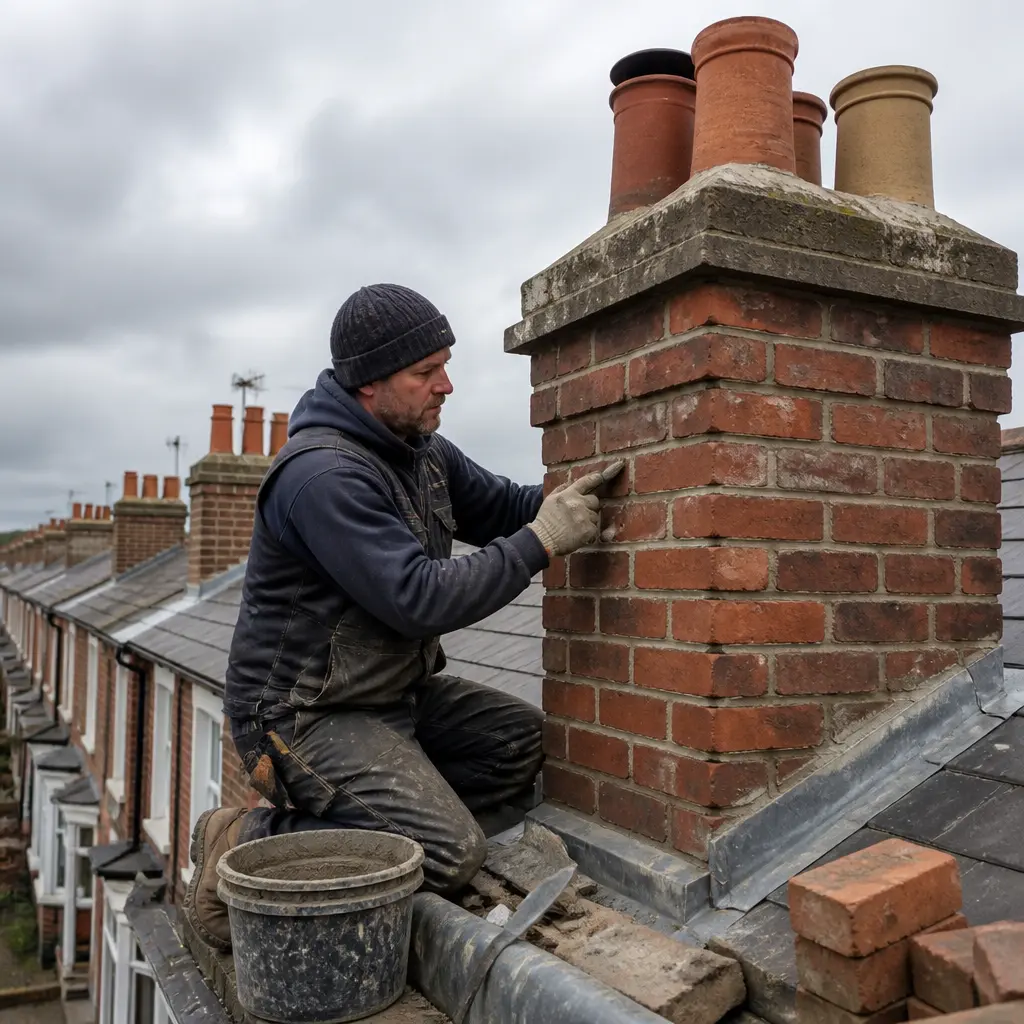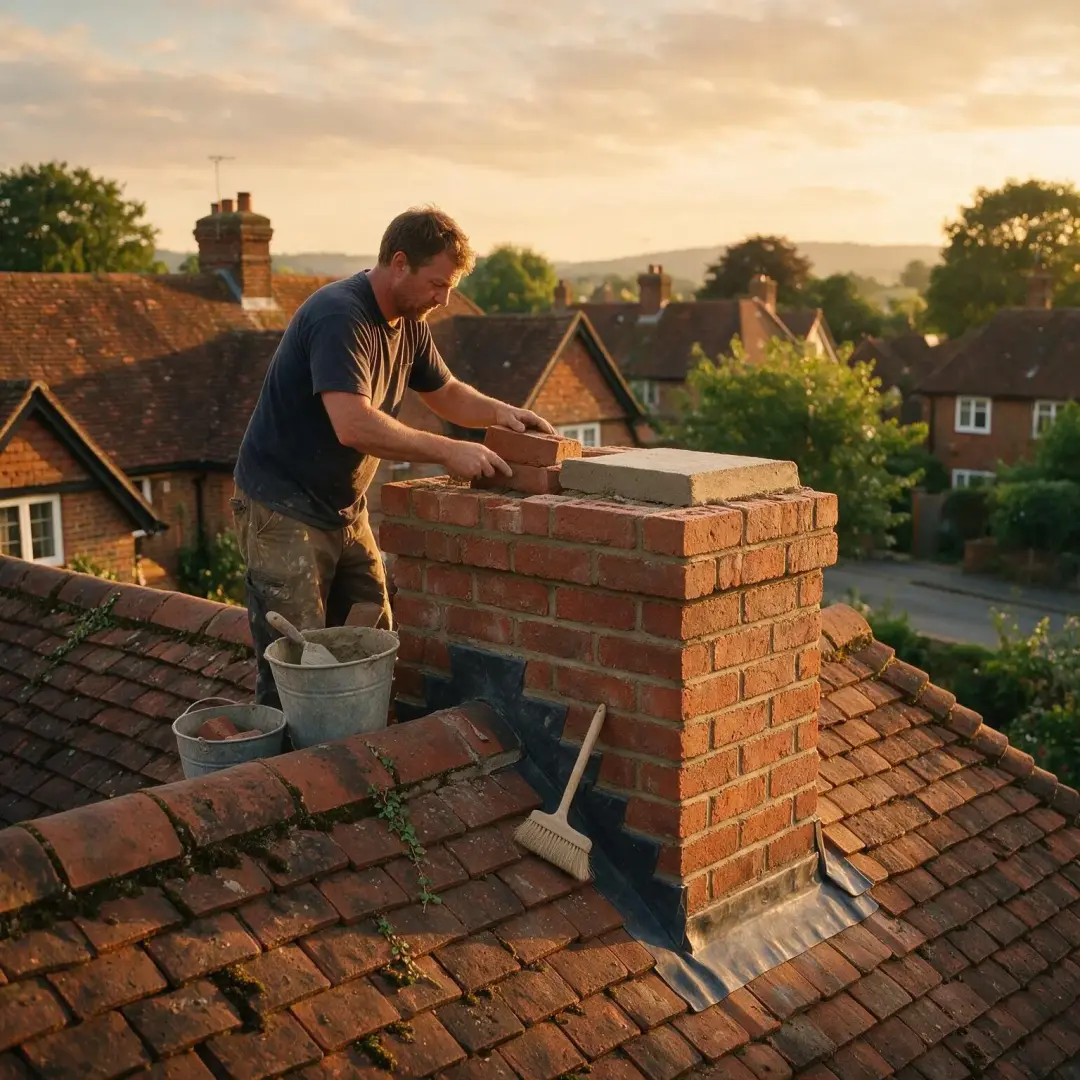
Chimney damage is commonly caused by rain, frost, strong winds, heat, poor maintenance and unsuitable repairs. Water can weaken bricks and mortar, while soot deposits, chimney fires and damaged flue liners can affect the safety of a working fireplace or stove.
Early inspection and suitable repair work can prevent a minor defect from developing into a serious leak, blockage or structural problem. Smoke entering a room, falling masonry, a carbon monoxide alarm or signs of a chimney fire require urgent attention.
What Causes Chimney Damage?
Chimneys stand above the roof, where they are exposed to changing weather throughout the year. Rain can enter small cracks, frost can force those cracks apart and strong winds can loosen chimney pots, cowls and weakened brickwork.
Damage can also begin inside the chimney. Heat, smoke, acidic deposits and moisture can wear down the flue liner and mortar. A build-up of soot or creosote may restrict the flue and increase the risk of fire.
Some problems are caused by poor workmanship. Unsuitable mortar, badly fitted flashing, blocked ventilation and incorrect chimney terminals can all make an existing fault worse.
Understanding the cause is important because the visible damage may only be a symptom. A damp chimney breast, for example, could be caused by failed flashing, cracked masonry, condensation or rain entering through the chimney pot.
- Fire and rescue services attended 2,019 chimney fires in England in the year ending March 2025
- This was 5.5% lower than the 2,136 chimney fires recorded during the previous year
- Recorded chimney fires were 61% lower than they were ten years earlier
- Fire and rescue services attended 142,494 fires of all types during the same year
- Repair and maintenance construction output in Great Britain grew by 2.1% in the three months to May 2026
Although the number of recorded chimney fires has fallen over the longer term, more than 2,000 incidents still required an emergency response in one year. Regular sweeping, suitable fuel and prompt repairs remain important for properties with working chimneys.
Rain and Water Entry
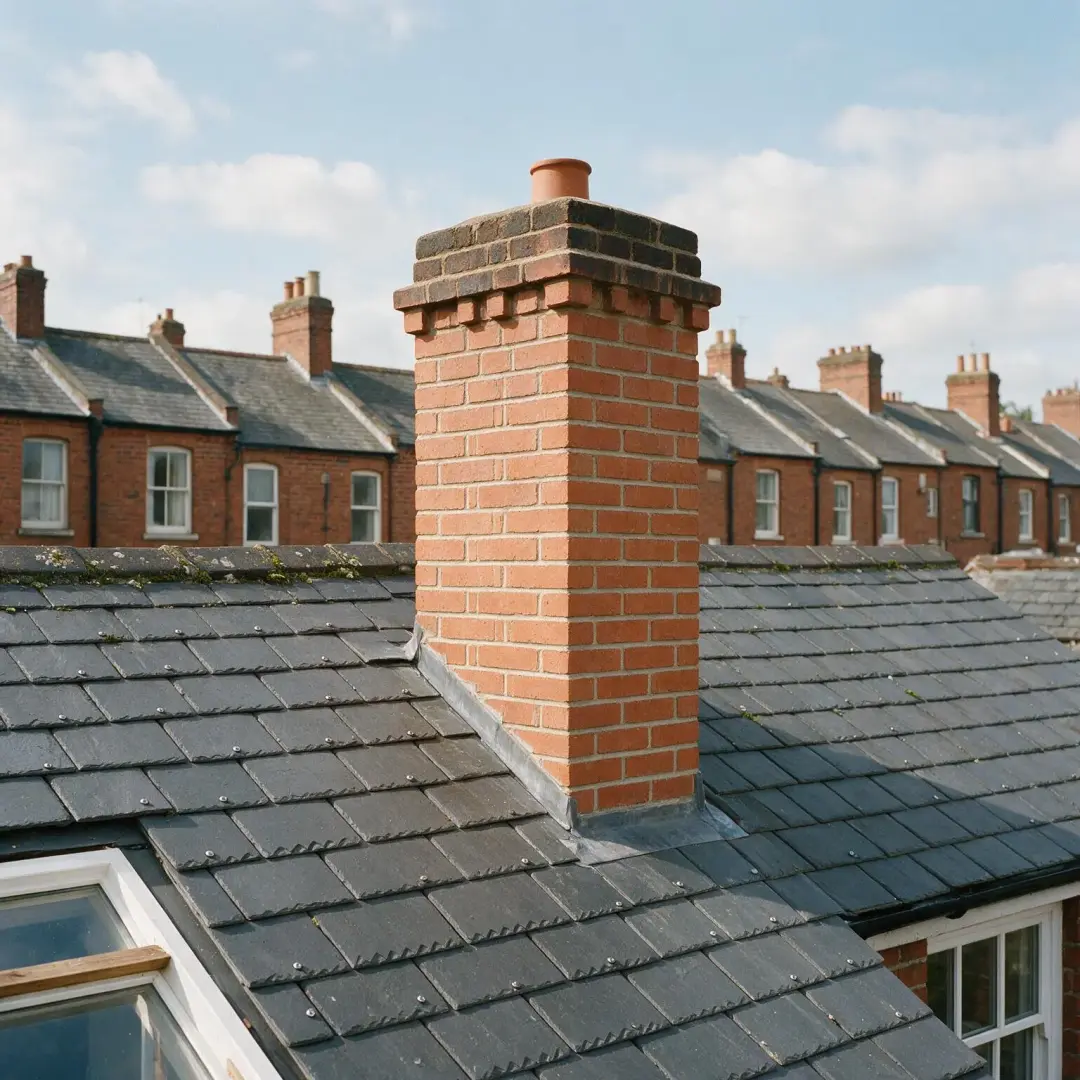
Water is one of the main causes of chimney damage. It can enter through cracked mortar, damaged bricks, failed flashing, an open chimney pot or worn mortar around the top of the stack.
Once water enters the masonry, it can spread into roof timbers, ceilings, plaster and internal walls. Damp patches may appear around the chimney breast, although the point where the water becomes visible may be some distance from the original leak.
Long-term moisture can soften mortar, stain internal finishes and cause metal flue liners or fixings to corrode. It may also leave salts in the wall that continue to attract moisture after the original leak has been repaired.
The complete chimney and nearby roof area should be checked before internal stains are covered or redecorated.
Frost and Changing Temperatures
Water held inside bricks and mortar can freeze during cold weather. Water expands when it freezes, placing pressure on the surrounding material.
Repeated freezing and thawing can widen small cracks, loosen mortar joints and cause the surface of bricks to break or flake away. This process is often called frost damage.
Chimneys are particularly exposed because every side of the stack can be affected by cold air, rain and wind. Once the surface has started to fail, more water can enter and the damage may develop more quickly.
Replacing badly damaged bricks and repointing failed joints can help prevent further water entry. The replacement materials must be suitable for the age and type of chimney.
Strong Winds and Severe Weather
Strong winds place pressure on the chimney stack, chimney pots and any fitted cowls. Loose components may move, crack or become detached during a storm.
Wind-driven rain can also enter gaps that remain dry during lighter rainfall. This can reveal faults in flashing, mortar joints and chimney terminals.
A tall or narrow stack may be more exposed to wind. Existing cracks, poor mortar and previous structural movement can increase the risk of damage.
After severe weather, property owners should look from ground level for leaning pots, missing mortar, fallen debris and visible changes in the stack. Roof access should be left to someone with suitable safety equipment.
Worn Mortar and Damaged Brickwork
Mortar joints naturally wear over time. Rain, frost, heat and pollution can cause the joints to crack, crumble or fall away.
When mortar is missing, the bricks receive less support and water can enter deeper into the stack. Loose pieces may fall onto the roof, enter the flue or create a risk to people below.
Bricks can also crack, flake or become soft after long-term weather exposure. Damage may be made worse when a hard or unsuitable mortar has been used during an earlier repair.
Local damage can often be repaired through repointing and brick replacement. Widespread cracking, movement or severe weathering may require part of the stack to be rebuilt.
How Does Poor Repointing Damage a Chimney?
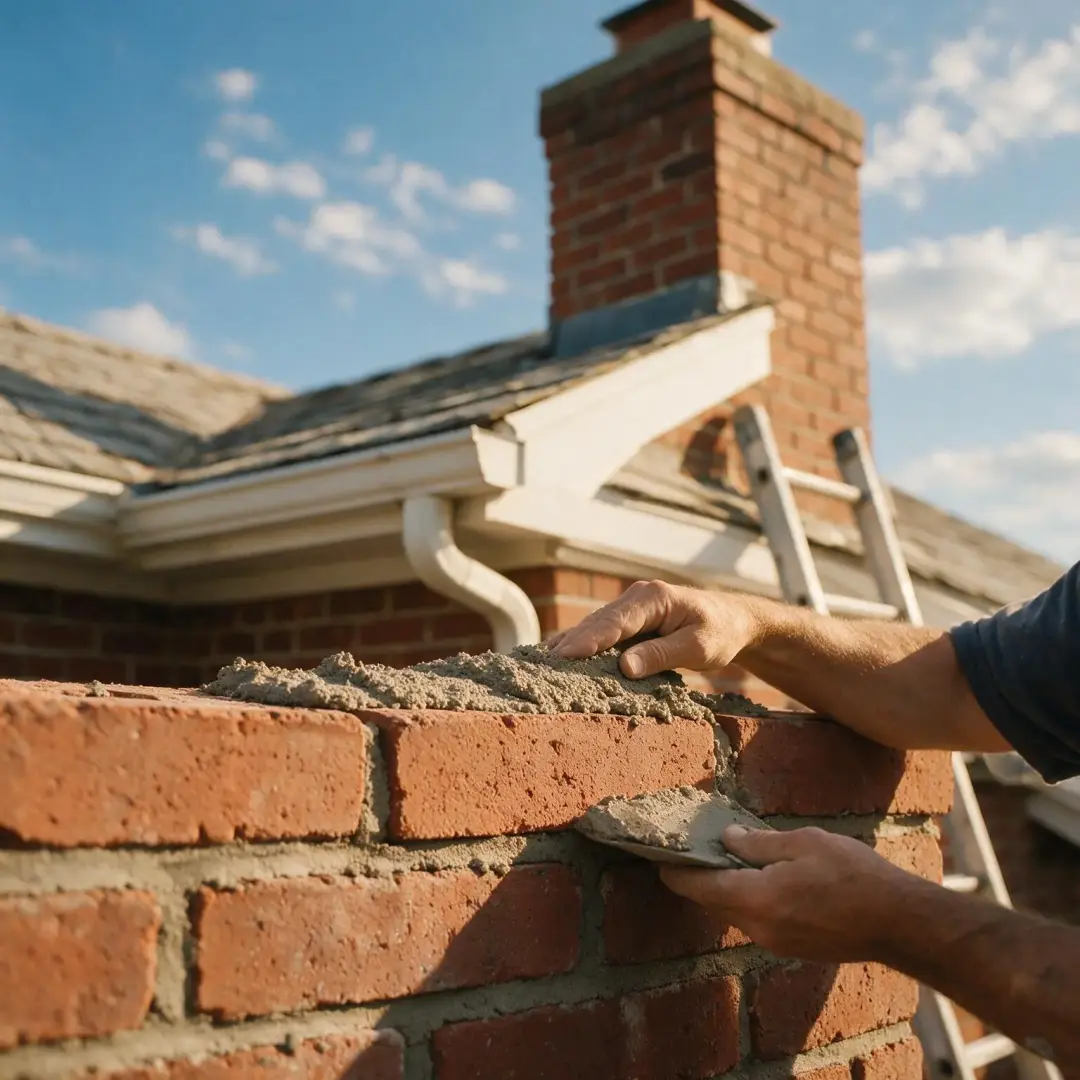
Repointing involves removing failed mortar from the joints and replacing it with suitable new mortar. Problems can arise when the old material is not removed deeply enough or the new mortar is spread over the surface.
A very hard mortar may prevent moisture from leaving softer, older brickwork. The trapped moisture can then contribute to cracking and frost damage.
The new material should be compatible with the existing bricks and mortar. Older properties may require a more flexible and breathable mix than a modern building.
Failed or Poorly Fitted Flashing
Flashing forms a weather-resistant seal where the chimney passes through the roof. It may fail because of age, corrosion, movement, poor fitting or damage caused during other roof work.
Cracked, lifted or missing flashing can allow rain beneath the roof covering. Water may then affect roofing felt, insulation, timber, ceilings and walls.
Applying general sealant over failed flashing is unlikely to provide a lasting repair. The damaged section may need to be removed and replaced with properly formed material.
The inspection should also cover nearby tiles, roof valleys and mortar joints because more than one defect may be allowing water into the property.
Damaged Chimney Pots, Cowls and Flaunching
A chimney pot sits at the highest and most exposed part of the stack. Pots may crack because of frost, heat or impact. The mortar holding the pot in place can also weaken and leave it unstable.
Flaunching is the sloped mortar around the base of the chimney pot. It directs water away from the opening. Cracked or missing flaunching can allow water into the stack and may no longer support the pot correctly.
Cowls and bird guards can become loose, blocked or corroded. An unsuitable product may restrict airflow or fail to protect the chimney from rain and birds.
Any replacement terminal must be suitable for the flue, appliance and fuel. A working chimney should not be sealed in a way that prevents smoke and gases from escaping.
Soot and Creosote Build-Up
Soot is produced when fuel burns. Creosote is a sticky and combustible deposit that can form when wood or other solid fuels do not burn cleanly.
Heavy deposits can reduce the open space inside the flue. This may weaken the chimney draw, cause smoke to enter the room and increase the chance of a chimney fire.
Wet wood, poor ventilation, low burning temperatures and unsuitable fuel can make deposits form more quickly. Painted timber, treated wood and household waste should not be burned.
Regular professional sweeping removes deposits before they become severe. The required frequency depends on the appliance, fuel and amount of use.
Chimney Fires and Excessive Heat
A chimney fire can start when soot, creosote, nesting material or another combustible deposit catches fire inside the flue.
The intense heat can crack a flue liner, damage mortar joints and weaken nearby bricks. Heat may also affect roof timbers and other materials surrounding the chimney.
Warning signs can include a loud roaring sound, sparks from the chimney pot, falling debris, dense smoke or an unusually hot chimney breast.
Leave the building and contact the fire and rescue service when a chimney fire is suspected. The chimney must be swept and fully inspected before it is used again, even when no damage can be seen from outside.
| Cause of damage | Possible warning signs | Recommended action |
|---|---|---|
| Rain or failed flashing | Damp patches, stains or wet roof timbers | Inspect the stack, roof and flashing |
| Frost damage | Flaking bricks and widening cracks | Replace damaged bricks and repair joints |
| Soot or creosote | Strong smells, smoke and poor fire performance | Stop use if smoke spills and arrange sweeping |
| Chimney fire | Roaring sounds, sparks or intense heat | Leave the building and call the emergency services |
| Structural movement | Leaning stack, deep cracks or falling masonry | Keep the area clear and request an urgent assessment |
Blocked Flues and Bird Nests
Bird nests, leaves, fallen masonry and heavy soot can block the flue. A damaged liner may also collapse or release pieces that restrict the passage.
A blockage can prevent smoke and combustion gases from leaving safely. Warning signs include smoke entering the room, falling debris, strong smells and difficulty keeping a fire alight.
A fire should never be lit to test whether a blocked chimney is working. Stop using the appliance and arrange a professional inspection.
Active bird nests may be protected by law and should not be disturbed without checking the rules that apply. Once the nest is no longer active and the flue has been cleared, a suitable guard may help prevent another blockage.
Damaged or Incorrect Flue Liners
A flue liner provides a route for smoke and gases to leave the building. It also helps protect the chimney and nearby materials from heat and harmful deposits.
Liners can crack, corrode, separate or become damaged by chimney fires. Acidic moisture formed inside the flue can also wear down some materials.
Possible warning signs include pieces of liner in the fireplace, smoke smells in other rooms, staining on the chimney breast and poor appliance performance.
A smoke test or camera inspection may be required to assess the liner. Any replacement must be correctly sized and suitable for the appliance and fuel.
Condensation and Poor Ventilation
Condensation can form when warm, moist air meets the cold surfaces inside a chimney. The risk may be higher in an unused flue or a chimney that has been sealed at both ends.
Continued moisture can stain plaster, damage mortar and contribute to corrosion. Old soot and salts within the chimney may also make internal damp marks more difficult to remove.
Unused chimneys often need protection from rain while retaining controlled airflow. The correct arrangement depends on how the fireplace has been closed and whether the chimney may be used again.
Ventilation openings should not be blocked without professional advice because this may trap further moisture inside the flue.
Structural Movement and Poor Support
A chimney may crack or lean because of movement within the building, weak foundations, damaged roof supports or past structural alterations.
Removing a chimney breast without installing suitable support can leave the remaining stack unsafe. Changes to nearby walls and roof timbers may also affect stability.
Some older chimneys were built with a slight lean. However, new cracks, loose masonry or a position that appears to be changing should be assessed promptly.
Repairs may involve repointing, installing support or rebuilding part of the chimney. A surveyor or structural professional may be needed when significant movement is present.
Poor Maintenance
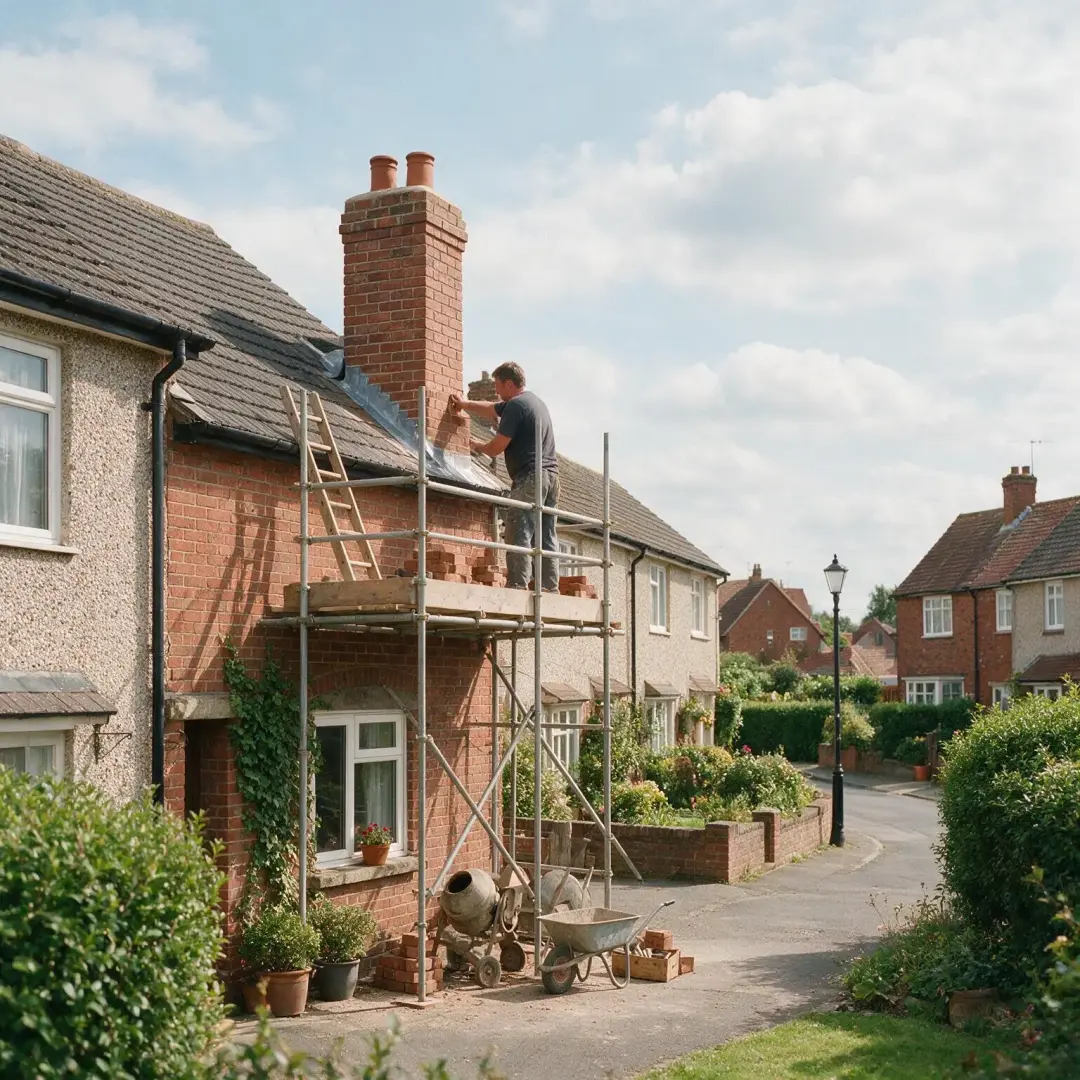
Small defects can become more serious when a chimney is not inspected or maintained. A minor opening in the flashing may allow repeated water entry, while a small mortar crack may widen after several winters.
Working chimneys can also become unsafe when they are not swept often enough. Deposits may build up without producing an obvious warning until the draw becomes poor or a chimney fire starts.
Unused chimneys still require maintenance. Brickwork, pots, flaunching and flashing remain exposed to the weather even when no appliance is connected.
Regular checks can identify loose materials, damp and blocked flues before extensive repair work is required.
Unsuitable Previous Repairs
A chimney may be damaged by repairs that use the wrong materials or fail to address the original cause.
Examples include applying hard mortar to soft historic bricks, placing sealant over failed flashing, using a coating that traps moisture and fitting an unsuitable chimney cowl.
Surface repairs can sometimes hide continuing water entry or structural movement. The fault may then return after a short period or appear in another part of the chimney.
A suitable repair should address the source of the problem and use materials that work with the existing chimney, roof and appliance.
What Are the Warning Signs of Chimney Damage?
Chimney damage is not always clearly visible from the ground. Changes inside the property may provide the first warning that something is wrong.
Common warning signs include:
- Damp patches or brown stains near the chimney breast
- Cracked, flaking or missing bricks
- Loose mortar or pieces of masonry on the roof
- A cracked or leaning chimney pot
- A chimney stack that appears to lean
- Smoke entering a room
- Strong soot or burning smells
- Falling soot, nesting material or pieces of liner
- Poor performance from a fireplace or stove
- Water or unusual sounds inside the flue
More than one fault may be present. A full inspection should cover the external stack, roof junction, chimney terminals and internal flue.
How Can Chimney Damage Be Prevented?
Regular maintenance can reduce the effect of weather, moisture and combustion deposits.
Working chimneys should be swept at a frequency suited to the appliance, fuel and amount of use. Only suitable, dry fuel should be burned, and appliances should be used and serviced according to their instructions.
External checks should cover the bricks, mortar, flashing, chimney pot, cowl and flaunching. Safe access equipment should be used whenever a close roof inspection is required.
Unused flues should be protected from rain without being sealed in a way that traps moisture. Nearby gutters and roof areas should also be kept clear.
Smoke alarms and carbon monoxide alarms should be tested regularly and replaced according to the product instructions.
Current Chimney Fire and Construction Statistics
Official figures show that fire and rescue services in England attended 2,019 chimney fires in the year ending March 2025.
This was 5.5% lower than the 2,136 chimney fires recorded during the previous year. It was also 61% lower than the 5,190 incidents recorded ten years earlier.
Fire and rescue services attended 142,494 fires of all types during the year ending March 2025. This was an increase of 2.5% compared with the previous year.
Office for National Statistics figures show that repair and maintenance construction output in Great Britain grew by 2.1% in the three months to May 2026. Total construction output grew by 1.6% over the same period.
These construction figures cover the wider industry and do not measure chimney repairs separately. The cost and scale of chimney work will depend on the damage, access, materials and location.
When Is Chimney Damage an Emergency?
Leave the building and contact the emergency services if there are flames or sparks from the chimney, a loud roaring sound inside the flue or other signs of a chimney fire.
Leave the property immediately if a carbon monoxide alarm sounds or anyone develops possible poisoning symptoms such as a headache, dizziness, sickness, weakness or confusion.
Stop using the appliance if smoke repeatedly enters the room. Do not use it again until the chimney and appliance have been inspected.
Keep people away from the area below a leaning stack or loose chimney pot. Falling bricks, mortar and other materials can cause serious injury.
Water leaks may not always require an emergency response, but they should be repaired promptly to limit damage to the roof and internal finishes.
Frequently Asked Questions
```What Is the Main Cause of Chimney Damage?
Water is one of the most common causes. Rain enters cracks and failed joints, while frost causes trapped water to expand and damage bricks and mortar.
Can Rain Damage a Chimney?
Yes. Rain can enter through damaged flashing, cracked mortar, worn bricks, failed flaunching or an open chimney pot. Continued water entry can damage both the chimney and the inside of the property.
Why Are My Chimney Bricks Flaking?
Flaking is often caused by moisture and frost. Unsuitable hard mortar or waterproof coatings can also trap moisture and increase surface damage.
Can a Chimney Fire Cause Structural Damage?
Yes. The heat can crack the liner, weaken mortar and damage bricks or nearby roof materials. The chimney must be inspected before it is used again.
Does an Unused Chimney Still Need Maintenance?
Yes. An unused chimney remains exposed to rain, frost and wind. It also needs suitable ventilation to reduce condensation inside the flue.
Can Chimney Damage Be Repaired Without Rebuilding?
Local mortar damage, individual bricks, flashing and chimney pots can often be repaired. Severe weathering, major cracks or structural movement may require partial or complete rebuilding.
Who Should Inspect a Damaged Chimney?
The right professional depends on the fault. A chimney sweep, roofer, builder, heating installer or structural professional may be required.
How Should Chimney Damage Be Dealt With?
Begin by identifying the warning signs. Stop using the fireplace or appliance when there is smoke, a possible blockage, falling material or another safety concern.
The inspection should cover both the visible chimney stack and the internal flue. Repairing only the damp patch or visible crack may leave the original cause unresolved.
Small areas of failed mortar, isolated damaged bricks and local flashing faults can often be repaired. Severe weathering, damaged liners and structural movement may require more extensive work.
The quotation should describe the cause, repair method, materials, access arrangements and waste removal. It should also explain whether further work could be required after close inspection.
Once repairs are complete, suitable maintenance and regular sweeping can help reduce the chance of the damage returning.
Have you noticed damp, cracked bricks, loose mortar, smoke or another sign of chimney damage? Colmore Roofing Contractors can inspect the chimney stack, flashing, pots and visible flue before providing a clear repair quotation. Contact the team to arrange a professional chimney replacement or repair in Birmingham, Dudley or Wolverhampton.