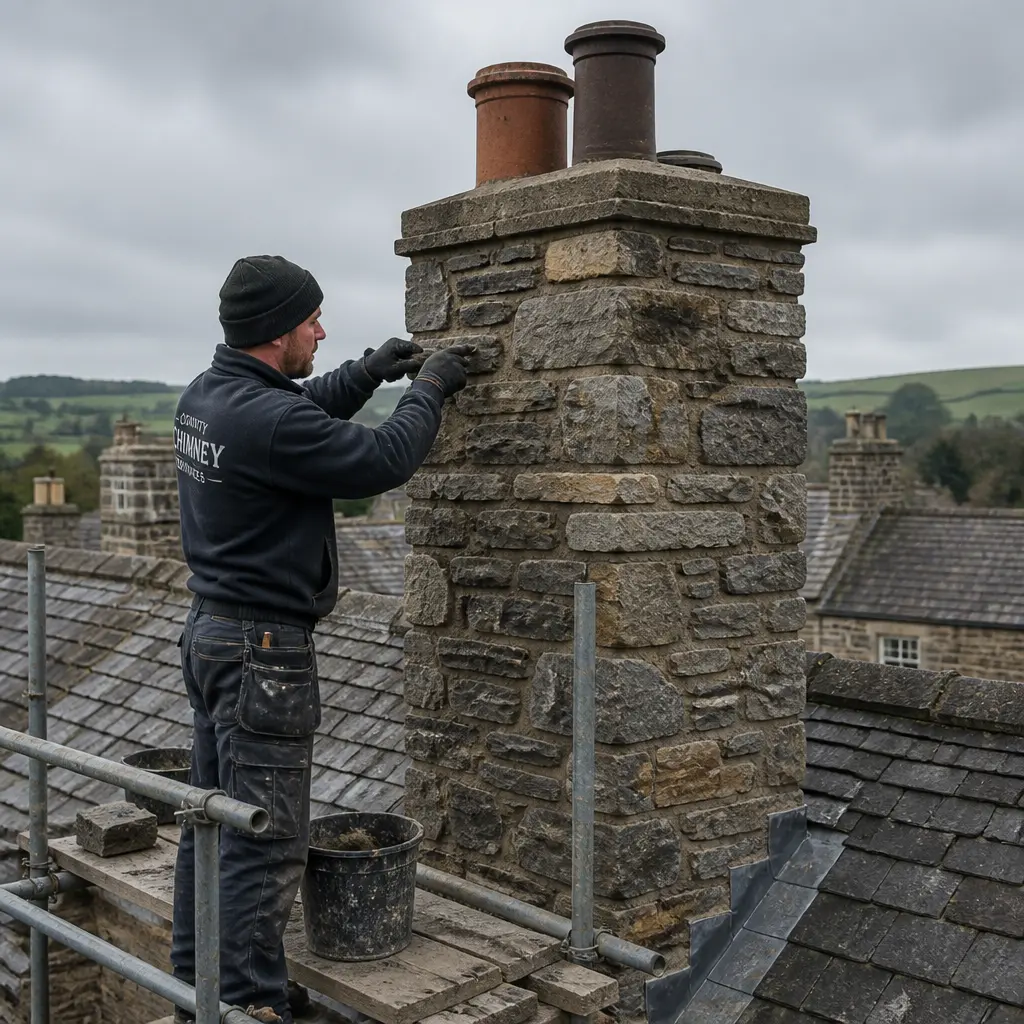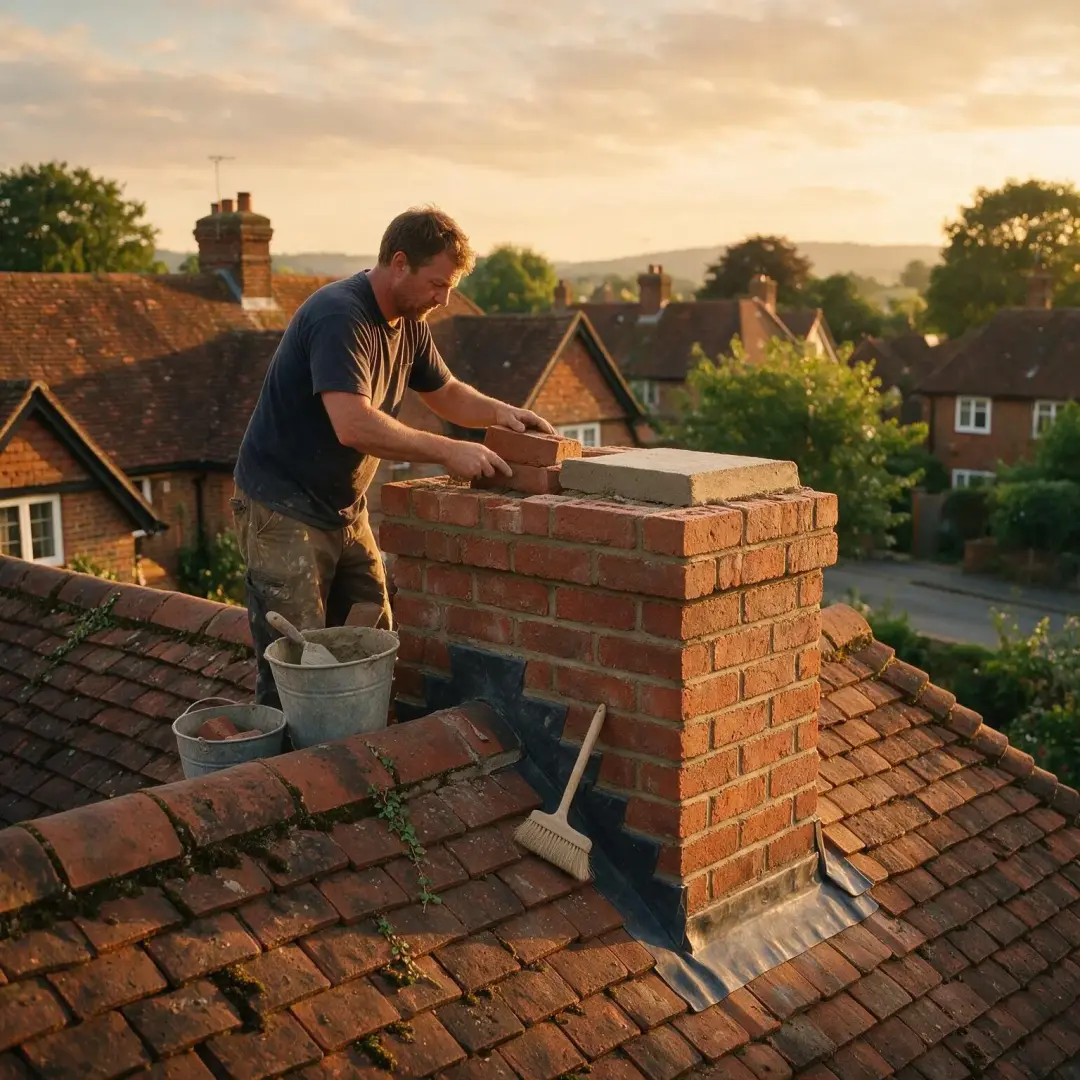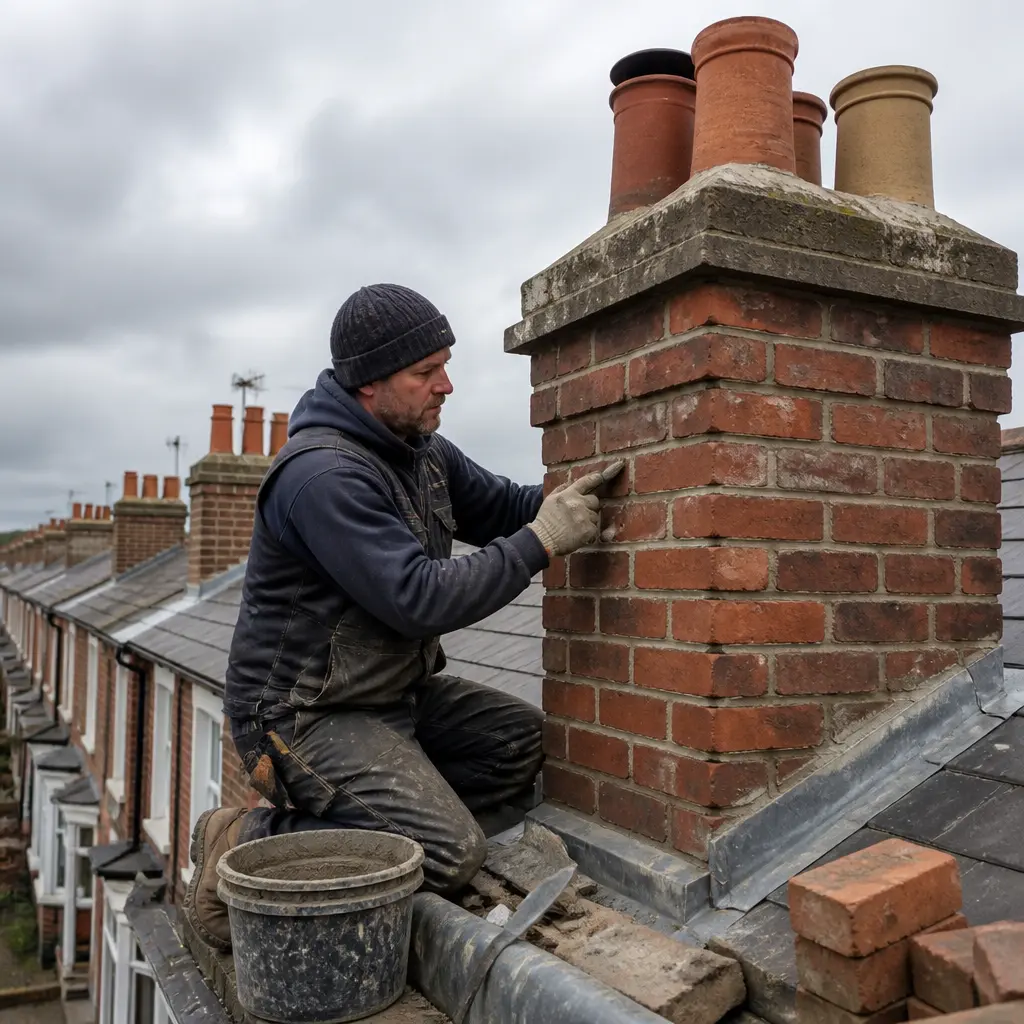
Failing to repair a damaged chimney can allow water, smoke and harmful gases to enter a property. Small cracks and loose mortar may also develop into unstable brickwork, roof damage and expensive structural repairs.
The level of risk depends on the chimney’s condition, how it is used and the type of fault. Prompt inspection and repair can protect the property, reduce fire risks and prevent minor damage from becoming a larger problem.
What Are the Risks of Not Repairing a Chimney?
A damaged chimney rarely repairs itself. Rain, frost, heat and continued use can place further pressure on weakened mortar, bricks, flashing and flue materials.
One of the main risks is water entering through cracked mortar, damaged flashing or worn flaunching. This can affect the roof, loft, ceilings, walls and internal finishes.
A damaged or blocked flue may also stop smoke and combustion gases from leaving the property safely. In some cases, this can allow carbon monoxide to enter living areas.
Loose bricks, chimney pots and masonry can create a risk to people, vehicles and nearby buildings. A badly damaged stack may lean, move during strong winds or partly collapse.
Delaying repairs can also increase the final cost. A small area of repointing may become a partial rebuild if water and frost are allowed to damage more of the stack.
- Water can enter through failed mortar, flashing and flaunching
- Damp may spread into the roof, loft, ceilings and walls
- Smoke and harmful gases may enter occupied rooms
- Loose bricks or chimney pots may fall from the roof
- Cracks and movement can weaken the chimney stack
- Bird nests, soot and fallen masonry may block the flue
- Fire and rescue services attended 2,019 chimney fires in England in the year ending March 2025
- Chimney fires fell by 5.5% from the previous year, but they still remain a serious safety concern
Not every damaged chimney will create an immediate emergency. However, faults can remain hidden until a leak, fire, falling brick or carbon monoxide alarm makes the problem clear. A professional inspection is normally the safest way to understand the condition of the stack and flue.
| Chimney fault | Possible risk | What may happen if it is ignored |
|---|---|---|
| Cracked or missing mortar | Water entry and loose masonry | Further joint failure, damaged bricks or rebuilding |
| Damaged flashing | Roof leaks | Rotten timber, damaged plaster and mould |
| Cracked flue liner | Smoke, heat or gases escaping | Fire risk, staining or carbon monoxide exposure |
| Blocked flue | Poor ventilation and smoke entering rooms | Unsafe appliance use or a chimney fire |
| Loose chimney pot | Falling material | Injury, roof damage or a blocked flue |
| Leaning chimney stack | Structural movement | Partial collapse or damage to the roof |
Can an Unrepaired Chimney Cause a Fire?
An unrepaired or poorly maintained chimney can increase the risk of fire. Cracks in a flue liner may allow heat, sparks or burning material to reach nearby timber and other parts of the building.
Soot and tar can also collect inside a chimney, particularly when fuel does not burn cleanly or the flue is not swept often enough. These deposits may ignite and cause a chimney fire.
Official figures show that fire and rescue services in England attended 2,019 chimney fires in the year ending March 2025. This was 5.5% lower than the 2,136 incidents recorded during the previous year and 61% lower than ten years earlier.
The fall in incidents is positive, but more than 2,000 chimney fires in one year shows why regular sweeping, inspection and repair remain important.
A chimney that has been involved in a fire should not be used again until it has been swept and inspected. Heat can crack a liner or weaken mortar even when no damage is visible from the ground.
Can Chimney Damage Cause Carbon Monoxide to Enter a Home?
A damaged or blocked chimney may allow carbon monoxide and other combustion gases to enter occupied rooms instead of leaving through the flue.
Carbon monoxide has no colour, taste or smell. This means people may not notice it without a working alarm.
Possible causes include a cracked flue liner, fallen masonry, a bird nest, heavy soot deposits or poor ventilation. An appliance that is damaged, incorrectly installed or unsuitable for the flue can add to the risk.
Warning signs may include smoke entering the room, black marks near the fireplace, unusual condensation, a weak fire or a carbon monoxide alarm sounding. Headaches, dizziness, sickness and confusion may also be signs of exposure.
Stop using the appliance if there is concern about the chimney or flue. Open doors and windows where it is safe to do so, leave the affected area and arrange an urgent professional inspection.
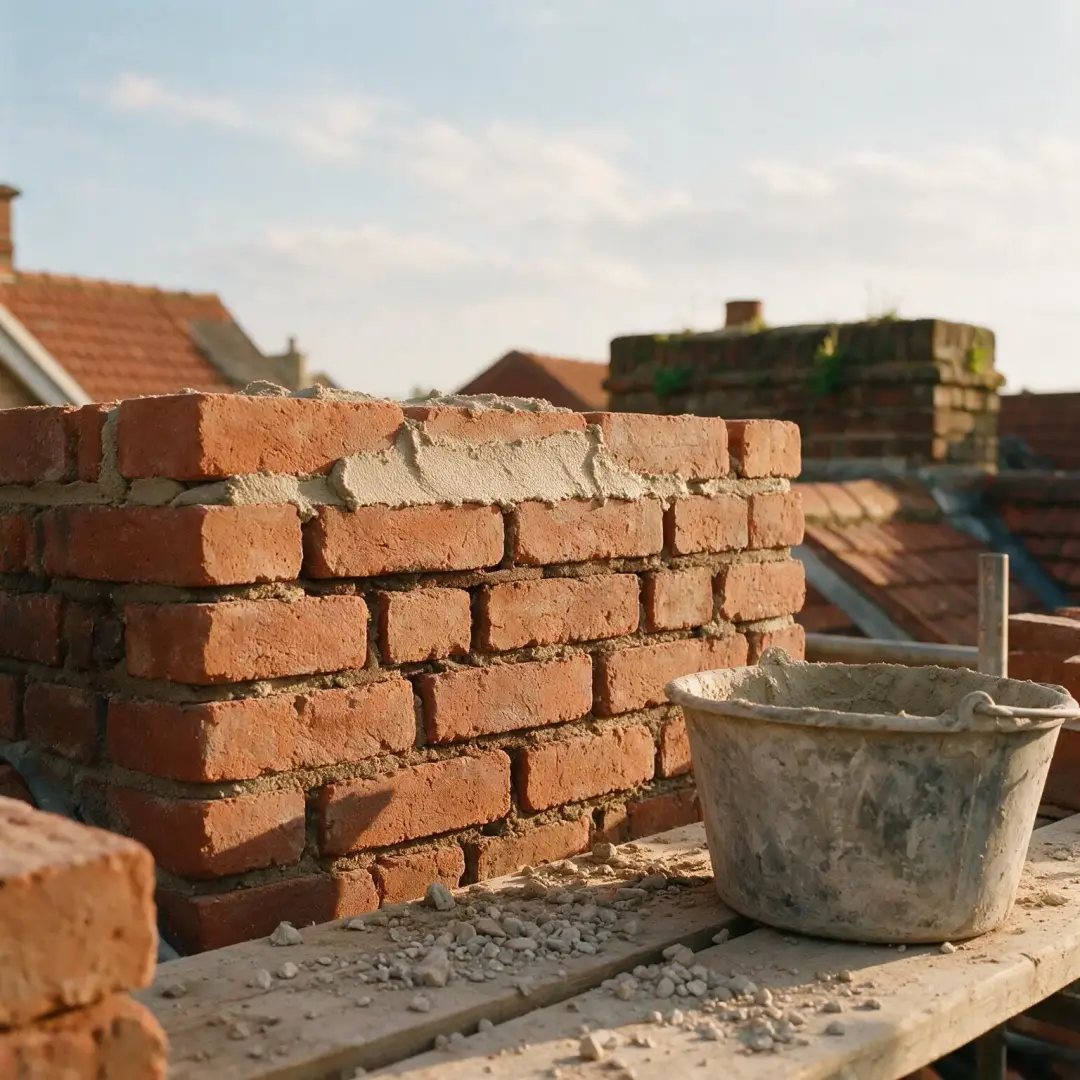
How Does a Damaged Chimney Cause Damp?
Chimneys are exposed to rain, wind and changing temperatures throughout the year. Cracked mortar, porous bricks, damaged flashing and worn flaunching can all allow water to enter.
Water may travel down the chimney breast or across roof materials before it becomes visible. The damp patch inside the property may not sit directly below the damaged area.
Common signs include stained ceilings, peeling paint, damaged wallpaper, mould, crumbling plaster and a musty smell. Damp may also affect the loft, roof timbers and insulation.
Repeated water entry can cause timber to rot and metal fixings to corrode. During cold weather, water inside bricks and mortar can freeze and expand, causing more cracks and surface damage.
Painting over a stain will not repair the source of the leak. The chimney, flashing and nearby roof covering should be checked so that the cause can be repaired before internal finishes are renewed.
Can a Damaged Chimney Affect the Roof?
A chimney passes through the roof covering, so faults around the stack can affect tiles, slates, underlay, battens and structural timber.
Failed flashing can leave a gap where the chimney meets the roof. Water entering this area may damage materials below the surface before a leak appears inside the property.
Loose chimney bricks can also fall onto the roof and break tiles or slates. A moving or leaning stack may place pressure on nearby roof materials.
Water damage can spread beyond the original chimney fault. A small opening may eventually lead to rotten battens, wet insulation, damaged ceilings and costly internal repairs.
Temporary sealant may reduce water entry for a brief period, but it should not replace correctly fitted flashing or suitable masonry repairs. A lasting repair should deal with the failed materials and any damage beneath them.
Can Chimney Bricks or Pots Fall?
Loose bricks, mortar, cowls and chimney pots can fall when a stack has been weakened by age, water, frost, heat or movement.
Falling masonry can injure people and damage vehicles, paths, conservatories and roof coverings. The risk may increase during strong winds or periods of freezing weather.
Warning signs include pieces of mortar on the ground, visible gaps between bricks, cracked flaunching, a tilted chimney pot or a stack that appears to lean.
Do not stand or park beneath a chimney that may be unstable. Keep children and animals away from the area and arrange an urgent inspection.
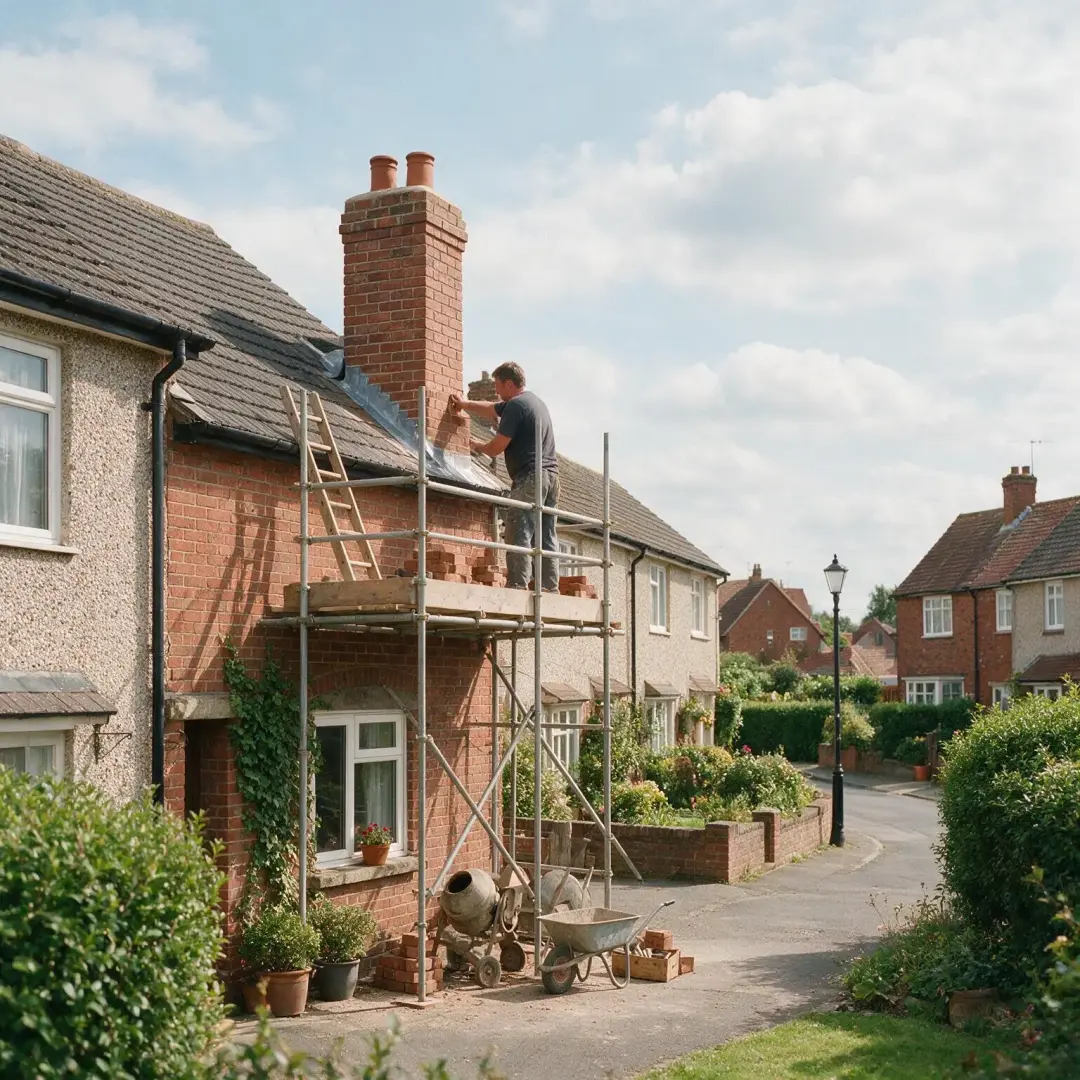
A contractor may need to remove loose material or make the area safe before completing a permanent repair. Scaffolding or another safe access system may be required, even when the visible fault appears small.
Can a Chimney Collapse If Repairs Are Delayed?
A badly weakened chimney can partly collapse, although this is less common than leaks and local mortar damage.
Long cracks, widespread mortar loss, movement, leaning brickwork and damage below the roof line can all affect stability. A chimney may also become unsafe when earlier alterations have removed support.
Wind can place further pressure on a tall stack. Water entering cracks can freeze and expand, pushing damaged masonry further apart.
A leaning chimney or sudden change in crack width should be treated seriously. A builder or structural professional may need to assess the stack and the support inside the roof.
Repairs may involve replacing individual bricks, repointing, rebuilding the upper section or providing structural support. Waiting until masonry falls can increase the danger, repair area and final cost.
Why Do Small Chimney Faults Become More Expensive?
A small repair is often cheaper when it is completed before water reaches the materials behind it.
For example, replacing a short section of failed mortar may be straightforward. If the fault is ignored, water may damage the brick faces, loosen more joints and enter the roof.
A flashing repair can also become more expensive if damp has affected the underlay, battens, timber, insulation or plaster. These materials may need to be removed and replaced as part of the work.
Hidden damage is one reason a final repair price may be higher than expected. The full condition may only become clear after loose mortar, roof tiles or damaged flue materials have been removed.
Office for National Statistics figures show that repair and maintenance construction output in Great Britain grew by 2.1% in the three months to May 2026. This does not measure chimney prices, but it shows continued activity across the wider repair sector.
Can an Unused Chimney Still Cause Problems?
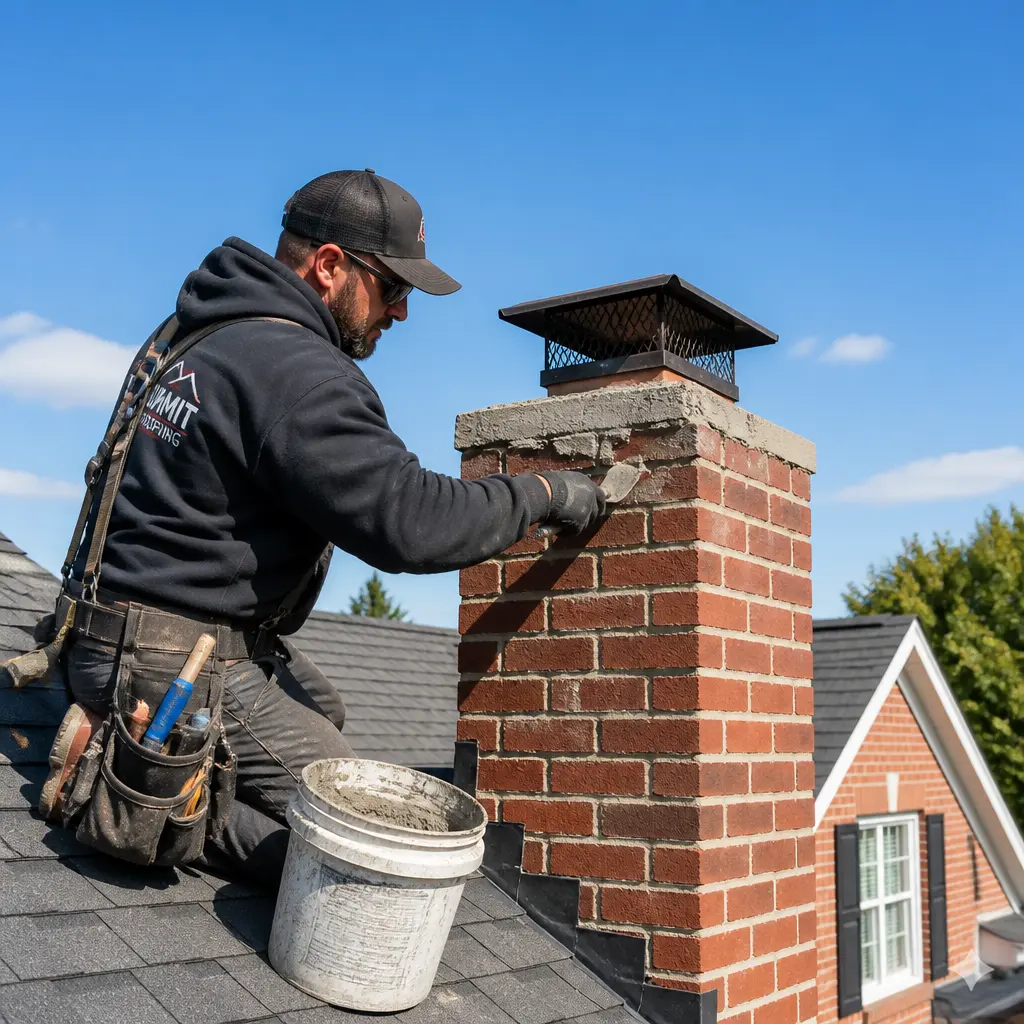
An unused chimney can still leak, move or become blocked. The stack remains exposed to the weather even when no fire or appliance is connected.
Birds may build nests inside an open pot. Leaves, rubble and fallen mortar can also collect in the flue. Poor airflow may then lead to condensation, damp and unpleasant smells.
A capped chimney still needs suitable ventilation. Completely sealing a flue without considering airflow can trap moisture inside the chimney breast.
Disused chimneys should be inspected as part of normal roof maintenance. Pots, caps, cowls, flashing, mortar and visible brickwork should remain secure and weatherproof.
Where a chimney is no longer needed, removal may be considered. However, chimney breasts and stacks can form part of the building structure or a shared wall. Professional advice and any required approval should be obtained before alteration.
Does Chimney Damage Affect Energy Efficiency?
Some chimney faults can make a property harder to heat. Gaps, open flues and damaged seals may allow warm indoor air to escape and cold draughts to enter.
Damp walls and insulation can also reduce comfort. Wet building materials may feel colder and can take longer to dry during winter.
A fireplace should not be sealed without checking ventilation and appliance requirements. Some chimneys need a controlled flow of air to prevent condensation and support safe operation.
The correct solution may include repairing the flue, fitting a suitable chimney terminal, improving ventilation or sealing unused openings in an appropriate way.
Energy improvements should not block a working chimney or reduce the air supply needed by a fire, stove or boiler. Chimney repairs and ventilation changes should be planned together where possible.
| Warning sign | Possible cause | Recommended action |
|---|---|---|
| Damp around the chimney breast | Failed flashing, mortar or flaunching | Arrange a roof and chimney inspection |
| Smoke entering the room | Blocked or damaged flue | Stop using the appliance and seek urgent help |
| Mortar or brick pieces on the ground | Loose or frost-damaged masonry | Keep clear and arrange an inspection |
| A leaning chimney pot or stack | Movement or failed mortar | Treat as urgent and avoid the area below |
| Black stains near a fireplace | Smoke leaking from the flue | Stop use and arrange a flue inspection |
| A carbon monoxide alarm sounds | Combustion gases entering the property | Leave the area and seek urgent assistance |
When Does Chimney Damage Need Urgent Attention?
Some faults require faster action than routine mortar wear. Urgent warning signs include falling masonry, a leaning stack, a loose chimney pot, smoke entering rooms or a carbon monoxide alarm.
A major leak during heavy rain may also need temporary protection to prevent further damage. Do not climb onto the roof or attempt repairs in unsafe weather.
Stop using a connected fire, stove or boiler when there is concern about the flue. The appliance should remain off until the chimney has been inspected and confirmed safe.
Keep people, animals and vehicles away from the area below loose or unstable masonry. A contractor may need to remove dangerous material before the full repair begins.
Call the emergency services where there is an active fire, immediate danger to life or a suspected carbon monoxide incident. Property repairs can be arranged after the area has been made safe.
What Happens During a Chimney Inspection?
A chimney inspection should identify visible defects and consider how the chimney is being used.
The contractor may examine bricks, mortar joints, pots, cowls, flaunching, flashing and nearby roof coverings. The loft and internal chimney breast may also be checked for damp, staining or movement.
Where the flue is in use, further checks may include sweeping, a smoke test or a camera survey. These can help identify blockages, cracks and damaged liner sections that cannot be seen from the roof.
The inspection should lead to a clear explanation of the fault, the recommended repair and any parts of the chimney that could not be checked.
Property owners should mention previous leaks, chimney fires, unusual smells, smoke problems and earlier repairs. Photographs and written findings can help explain why the work is needed.
How Can Chimney Damage Be Prevented?
Regular checks can identify small faults before they spread. Chimneys should be viewed from ground level after storms, freezing weather and long periods of heavy rain.
Look for missing mortar, cracked bricks, leaning pots, damaged cowls and debris on the roof or ground. Damp marks around the chimney breast should also be investigated.
Working flues should be swept at a suitable frequency for the appliance and fuel. Regular sweeping reduces deposits and may reveal blockages or internal damage.
Keep carbon monoxide alarms in the correct locations and test them as directed by the manufacturer. Alarms support safety, but they do not replace appliance servicing, sweeping or chimney repairs.
After repairs, ask for photographs and guidance on future maintenance. Correct materials and suitable weather protection can help repaired mortar, brickwork and flashing last longer.
Should You Repair a Chimney Yourself?
Most chimney repairs should be completed by a suitable professional. Working at roof height creates a serious fall risk, and loose masonry can move without warning.
A thin layer of mortar or sealant may hide a damaged joint without preventing further water entry. Incorrect flashing can also direct water beneath the roof covering.
Work inside a flue carries additional risks. Incorrect repairs may restrict airflow or allow smoke and carbon monoxide to leak into the property.
Property owners can look for visible warning signs from a safe position and test their carbon monoxide alarms. They should not climb onto the roof, remove loose pots or light a fire to test a suspected blockage.
The right professional may be a chimney sweep, roofer, builder, heating installer or structural professional, depending on the fault.
Current Chimney Fire and Repair Statistics
Fire and rescue services in England attended 2,019 chimney fires in the year ending March 2025.
This was 5.5% lower than the 2,136 chimney fires attended in the previous year. It was also 36% lower than the 3,144 incidents recorded five years earlier and 61% lower than the 5,190 incidents recorded ten years earlier.
During the same year, fire and rescue services attended 142,494 fires of all types in England. This was an increase of 2.5% from the previous year.
Office for National Statistics figures show that repair and maintenance construction output in Great Britain grew by 2.1% in the three months to May 2026. Total construction output grew by 1.6% during the same period.
These figures do not show how many chimney fires were caused by delayed repairs. They provide useful context about chimney incidents and current repair activity.
- 2,019 chimney fires: Attended by fire and rescue services in England in the year ending March 2025
- 5.5% annual reduction: Compared with 2,136 chimney fires in the previous year
- 61% ten-year reduction: Compared with 5,190 chimney fires in the year ending March 2015
- 142,494 total fires: Attended in England in the year ending March 2025
- 2.1% growth: Repair and maintenance construction output in the three months to May 2026
Frequently Asked Questions
```What Happens If You Ignore a Cracked Chimney?
Water may enter the cracks and cause further damage. Mortar and bricks can loosen, while cracks inside the flue may allow heat, smoke or gases to escape.
Can a Leaking Chimney Damage the Ceiling?
Yes. Water can travel through the roof and chimney breast before staining ceilings, damaging plaster and affecting nearby timber or insulation.
Is a Leaning Chimney Dangerous?
A leaning chimney may be unstable and should be inspected promptly. Keep people and vehicles away from the area below it until the risk has been assessed.
Can You Use a Fire with a Damaged Chimney?
Do not use a connected fire or stove when the flue may be cracked, blocked or unsafe. Arrange an inspection before using the appliance again.
Can Chimney Damage Cause Mould?
Yes. Water entering through the chimney can create damp conditions that allow mould to grow on walls, ceilings and other materials.
How Quickly Should a Chimney Leak Be Repaired?
It should be inspected as soon as possible. Continued rain can spread the damage to roof materials, timber, insulation and internal finishes.
Does a Disused Chimney Need Maintenance?
Yes. An unused stack can still leak, become blocked or develop loose masonry. It should remain secure, ventilated and weatherproof.
Who Should Inspect a Damaged Chimney?
The correct professional depends on the fault. A chimney sweep, roofer, builder, heating installer or structural professional may be required.
Why Should Chimney Repairs Not Be Delayed?
Delaying chimney repairs can place the property and its occupants at risk. Water may damage the roof and internal walls, while loose masonry can become unstable.
Where a chimney is in use, cracks and blockages may prevent smoke and gases from leaving safely. Soot deposits and flue damage can also increase the risk of fire.
Minor faults are often easier to repair before weather and continued use cause further damage. Repointing a small section may prevent the need for brick replacement or rebuilding later.
Arrange an inspection when there are damp patches, loose mortar, visible cracks, smoke problems or movement. Stop using a connected appliance where there is any concern about the flue.
Prompt action can protect the roof, reduce safety risks and give the contractor a better chance of completing a focused, lasting repair.
Are you concerned about a cracked, leaking or unstable chimney? Colmore Roofing Contractors can inspect the stack, pots, flashing, mortar and visible flue before recommending suitable repairs. Contact the team to arrange a professional chimney builder service for Birmingham, Dudley and Wolverhampton.