Replacing an old roof can protect your home from leaks, reduce the risk of damp and give you greater confidence during periods of heavy rain and strong winds. It may also provide an opportunity to improve insulation, ventilation and the appearance of the property.
A roof replacement is a major project, so it should be based on the condition of the whole roofing system rather than age alone. A professional inspection can identify whether replacement is needed and which parts of the roof should be renewed.
What Are the Main Benefits of Replacing an Old Roof?
The main benefit of replacing an old roof is improved protection from the weather. A new covering, underlay, battens and flashing can form a complete system that helps prevent rain from entering the property.
Replacement can also deal with problems that cannot be seen from ground level. Once the old covering has been removed, the contractor can inspect roof timbers, insulation, decking and other hidden materials. Damaged sections can then be repaired before the new roof is installed.
A new roof may require less regular repair work than an old covering with several weak areas. This can reduce the cost, disruption and worry caused by recurring leaks.
The work may also improve the property's appearance and make it more attractive to future buyers. However, the exact benefits will depend on the roof design, materials, standard of installation and condition of the rest of the building.
- Improved protection against rain, wind and changing weather
- A lower risk of recurring leaks and internal water damage
- Access to inspect and repair hidden roofing materials
- An opportunity to improve loft or roof insulation
- Better ventilation and condensation control where suitable
- A cleaner and more consistent external appearance
- Fewer unplanned roof repairs may be needed
- Clear records and guarantees may provide confidence to future buyers
- In 2024, 4.2 million homes in England reported new moisture damage following a storm
- Homes with roof disrepair were more than twice as likely to report storm-related moisture damage
Roof replacement does not automatically solve every damp or energy problem. Moisture can also enter through walls, windows, drainage systems and plumbing. Heat loss may be affected by walls, floors, doors and glazing as well as the roof. A detailed inspection should therefore confirm the source of any problem before work begins.
| Potential benefit | How replacement may help | Important consideration |
|---|---|---|
| Weather protection | Renews worn coverings, underlay and flashing | All details and joints must be installed correctly |
| Fewer leaks | Deals with several weak or damaged areas together | Walls, gutters and plumbing should also be checked |
| Improved insulation | Provides access to inspect and upgrade insulation | The insulation must suit the roof design |
| Better ventilation | Allows suitable vents and airflow routes to be installed | Incorrect ventilation may increase condensation risks |
| Improved appearance | Creates a consistent finish across the roof | Materials may need to match local properties |
| Buyer confidence | Removes a major item of visible disrepair | Keep guarantees, invoices and approval records |
How Can a New Roof Provide Better Weather Protection?
An old roof may contain cracked tiles, loose fixings, damaged underlay or failed flashing. These faults can allow wind-driven rain to pass beneath the visible covering and enter the roof space.
Replacing the roof allows the main protective parts to be renewed as one system. Depending on the project, this may include tiles or slates, underlay, battens, ridge details, valleys, flashing, verges and rainwater goods.
The latest English Housing Survey weather-resilience findings show why roof condition matters. In 2024, householders in 4.2 million English homes reported new moisture damage following a storm during the previous 12 months.
Among homes where a surveyor identified roof disrepair, 38% experienced reported moisture damage following a storm. The figure was 17% among homes without roof disrepair.
Replacement cannot prevent every form of weather damage, particularly during an unusually severe event. However, a correctly designed and installed roof should provide more reliable protection than an ageing covering with widespread faults.
Can Roof Replacement Prevent Leaks and Damp?
Replacing a failing roof can reduce the risk of penetrating damp caused by rain passing through damaged coverings, joints or flashing.
Stopping water at roof level may protect insulation, ceilings, plaster, decorations and electrical fittings. It may also reduce the chance of roof timbers remaining wet for long periods.
Damp remains a significant problem in English housing. Surveyors recorded a damp problem in 1.4 million homes in 2024, equal to 5% of the housing stock.
Not all damp is caused by a defective roof. Condensation, rising damp, leaking pipes, damaged walls and poor drainage can produce similar signs. Replacing the roof without confirming the cause may therefore lead to unnecessary expense.
A contractor should inspect the loft, roof covering, flashing, valleys, chimneys, gutters and downpipes. This can help establish whether water is entering through the roof and whether full replacement is more suitable than a local repair.
Does a New Roof Reduce the Need for Repairs?
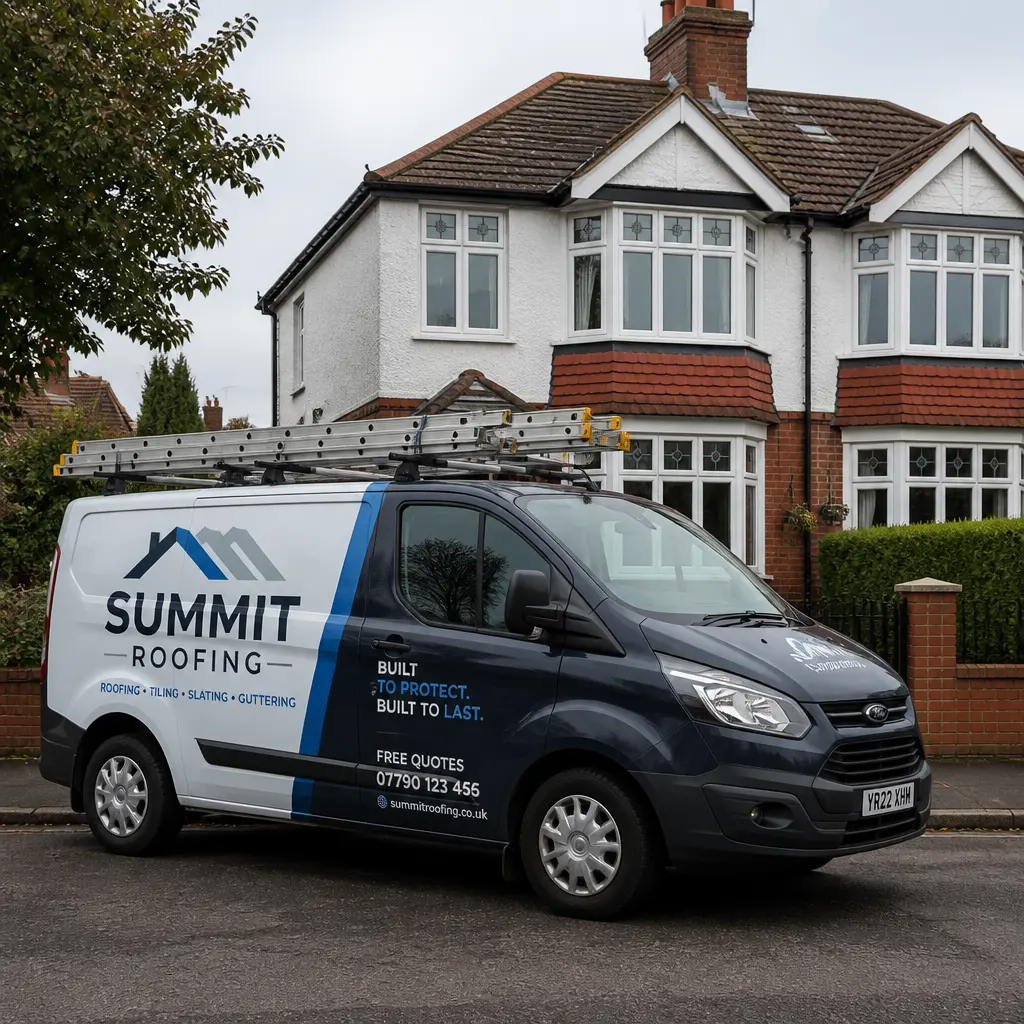
A roof replacement can reduce the need for repeated repairs when several sections of an old covering are beginning to fail.
Local repairs may be suitable when damage is limited to one or two areas. However, repairing one defect does not prevent another ageing section from failing later. Several call-outs may eventually involve repeated access, labour and material costs.
Replacement deals with the covering as a whole. It may also renew parts such as battens, underlay and flashing that would otherwise remain hidden beneath repaired tiles.
A new roof will still require basic care. Gutters should be cleared, slipped materials should be investigated and roof details should be checked after severe weather. Nearby trees, moss growth and blocked outlets may also require attention.
No roof is maintenance-free, and an unrelated part of the property can still cause water entry. However, a sound new roofing system should normally need fewer unplanned repairs than a covering that has reached the end of its useful life.
Can Replacing a Roof Protect the Structure?
Water entering through a damaged roof can affect more than the visible ceiling below. Moisture may soak into battens, roof decking, insulation and structural timber.
Timber that remains wet may begin to decay. Metal fixings can corrode, insulation can lose performance and plasterboard may weaken. The longer water continues to enter, the greater the risk that a limited roof defect will cause wider damage.
Removing an old covering gives the contractor access to inspect these hidden parts. Rotten or damaged timber can be replaced, loose connections can be secured and wet insulation can be removed where necessary.
Structural repairs should be properly assessed. A roofing contractor may need advice from a structural engineer if rafters, trusses, supporting walls or other major parts have moved or become damaged.
A replacement should not simply cover existing decay. The cause of the moisture and the full extent of the damage must be identified before the new covering is installed.
Can Roof Replacement Improve Energy Efficiency?
Roof replacement provides an opportunity to inspect the insulation and reduce unnecessary heat loss through the roof space.
In 2024, 56% of homes in England were in energy-efficiency bands A to C. This was a clear increase from 26% in 2014. However, many older properties still have room for improvement.
Government figures show that 42% of English homes had at least 200 millimetres of loft insulation in 2024. Roof work may provide easier access to upgrade insulation, particularly where existing material is thin, damaged, wet or poorly fitted.
The roof covering itself does not normally provide the main layer of insulation. Energy performance will depend on the roof or loft insulation, gaps around services, ventilation, walls, floors, windows and heating system.
Insulation should be planned as part of the whole roof design. Filling ventilation gaps or installing unsuitable materials can trap moisture and increase condensation risks. The contractor should explain how insulation, ventilation and moisture control will work together.
Can a New Roof Improve Ventilation?
Suitable roof ventilation helps moisture escape from the roof space. This can reduce the risk of condensation forming on cold surfaces during colder weather.
An older roof may have blocked vents, unsuitable alterations or no clear airflow route. Replacement allows the design to be reviewed and suitable ventilation to be added where required.
Ventilation may be provided through eaves, ridges, tiles or other approved details. The correct arrangement will depend on the roof shape, insulation position and whether the loft is heated or unheated.
More ventilation is not always better. Air paths must be placed correctly, and they must not allow wind-driven rain, insects or birds into the building. Insulation should not block the required openings.
Condensation may also be linked to cooking, bathing, drying clothes and heating patterns. Roof ventilation should therefore form part of a wider moisture-control plan rather than being treated as the only solution.
Does a New Roof Improve the Appearance of a Home?
An old roof can make a property look poorly maintained, particularly when it contains mismatched repairs, broken tiles, staining, heavy moss or uneven ridge details.
Replacement creates a consistent finish across the roof. New tiles, slates, flashing, ridges, verges and rainwater goods can make the building look cleaner and better cared for.
The selected materials should suit the style and age of the property. A finish that looks appropriate on a modern home may not be suitable for a traditional building.
Homes in conservation areas or listed buildings may be subject to extra controls. The local planning authority may require specific materials, colours or installation details.
Appearance is important, but it should not take priority over weather protection. Materials must be suitable for the roof pitch, exposure, structure and local conditions as well as the desired finish.
Can Replacing a Roof Add Value to a Property?
A sound new roof may make a property more attractive to buyers because it removes a major maintenance concern. Buyers may feel more confident when the work is recent, properly recorded and covered by a clear guarantee.
An old or leaking roof can lead buyers to request further inspections, reduce their offers or allow extra money for possible hidden damage. Some may decide that they do not want to manage a major project after moving.
However, the cost of replacement is not guaranteed to be added to the sale price in full. Property values are also affected by location, size, condition, demand and the quality of the wider home.
Replacing a serviceable roof only to prepare for a sale may not provide fair value. A local repair may be enough when the defect is small and the rest of the roof remains sound.
Keep the quotation, photographs, invoices, product details, guarantees and building control documents. These records can help a buyer understand what work was completed.
Is Roof Replacement Better Than Repeated Repairs?
Replacement may offer better long-term value when leaks keep returning or different parts of the roof require attention within a short period.
Each repair may involve inspection time, access equipment, labour and replacement materials. The cost can build gradually without providing the security of a complete new covering.
Repeated repairs can still be reasonable when separate minor faults occur over many years. They are less likely to provide good value when the roof covering, underlay or battens are failing across several areas.
Compare the likely remaining life of a repair with the expected cost of further visits. The inconvenience of internal water damage, moving possessions and arranging emergency work should also be considered.
Ask the contractor whether a proposed repair is expected to provide a lasting result or only temporary protection. This will help you compare the true value of repair and replacement rather than judging the initial quotations alone.
What Hidden Problems Can Be Found During Replacement?
The visible covering may hide damage that cannot be confirmed during a basic external inspection. Once tiles, slates or a flat-roof membrane have been removed, the contractor can examine the supporting materials more closely.
Possible problems include torn underlay, rotten battens, wet insulation, damaged decking, corroded fixings and decayed timber. Poor earlier work, blocked ventilation routes and unsuitable materials may also become visible.
The quotation should explain how unexpected work will be handled. Some contractors include a limited amount of timber repair, while others charge according to the materials and labour required.
Ask for photographs before hidden work is covered. These can help you understand why extra repairs were required and provide a useful record for the future.
A sensible allowance for possible hidden damage can reduce the chance of financial pressure during the project. However, extra work should be clearly explained and agreed rather than added without evidence.
How Long Can a Replacement Roof Last?
The working life of a roof depends on its materials, installation, pitch, exposure and maintenance. There is no single lifespan that applies to every property.
Natural slate can remain serviceable for many decades when it is suitable for the building and installed correctly. Clay and concrete tiles can also provide a long service life, although fixings, underlay and battens may require attention earlier.
The life of a flat roof will depend on the selected covering, the quality of the deck, drainage, detailing and the standard of installation. Standing water and poorly formed joints can shorten its useful life.
A guarantee is not the same as an expected lifespan. Read the conditions carefully and check whether both materials and workmanship are covered.
Regular inspections and early repairs can help the new roof remain serviceable. Gutters, outlets, flashing and roof penetrations should not be ignored simply because the main covering is new.
Does a Roof Replacement Need Building Regulations Approval?
Some roof replacement projects are covered by building regulations. The requirements can depend on how much of the covering is being replaced and whether the work affects insulation, structure, fire safety or the weight of the roof.
Work affecting more than half of the roof covering may require building control involvement. Alterations may also need approval when a new material is much heavier or lighter than the existing covering.
Planning permission and building regulations are separate. Planning controls may apply when the project changes the roof's height, shape or external appearance.
Additional restrictions can apply to listed buildings and properties in conservation areas. Requirements also differ across England, Wales, Scotland and Northern Ireland.
This article provides general guidance for homeowners in England. Check the position with the local planning authority or building control body before work begins. The contractor should also explain which notices, applications, inspections and completion documents are expected.
| Question to ask | Why it matters |
|---|---|
| Why does the roof need replacing? | The recommendation should be supported by clear evidence |
| Which materials will be removed? | Some quotations cover only the visible roof covering |
| Are underlay and battens included? | These parts are important to the complete roofing system |
| How will insulation and ventilation be handled? | The design should reduce heat loss without trapping moisture |
| What happens if hidden damage is found? | Clear terms can prevent unexpected charges and disputes |
| What does the guarantee cover? | Material and workmanship cover may have different conditions |
| Is building control involvement required? | Completion records may be important during a future sale |
How Should You Compare Roof Replacement Quotations?
Compare the full scope of work rather than choosing a quotation based only on the total price.
The document should describe the covering, underlay, battens, flashing, ridge and verge details, ventilation, insulation, gutters, access equipment and waste removal. It should also state whether timber repairs are included.
Check which product ranges and materials will be used. General descriptions such as “new tiles” may not provide enough information to compare quality, appearance and guarantees.
The quotation should include payment terms, an estimated working period and details of how the home will be protected from rain while the covering is removed.
Ask for evidence of suitable insurance and experience with the type of roof involved. Very low prices may leave out important work, while a high price does not automatically guarantee a better result. Clear detail and a well-supported explanation are more useful than price alone.
- Confirm the reason for replacement: Ask for photographs and a clear description of the defects
- Check the full roof system: Coverings, underlay, battens, flashing and ventilation should be considered
- Plan for hidden damage: Agree how additional timber or insulation work will be priced
- Consider energy improvements: Replacement may provide access to upgrade suitable insulation
- Review the materials: Make sure they suit the roof pitch, building and local conditions
- Check approval: Some replacement work may require building control involvement
- Read the guarantee: Confirm what is covered and whether conditions apply
- Keep all records: Store quotations, invoices, photographs and completion documents safely
Why Is a Professional Roof Inspection Important?
A professional inspection can help confirm whether the roof requires full replacement or whether a smaller repair would be enough.
The inspection should consider the visible covering, ridges, valleys, flashing, chimneys, edges, gutters and roof penetrations. Where access is available, the loft and structural timber should also be examined.
Photographs can provide evidence of defects that are difficult to see from the ground. They can also help you compare the advice provided by different contractors.
The inspector should distinguish between urgent work, recommended improvements and areas that can be monitored. This can help you plan the project without paying for unnecessary replacement.
Some hidden problems cannot be fully confirmed until the old covering has been removed. The quotation should therefore explain which conditions are known and which may only become clear once work begins.
Frequently Asked Questions
```What Is the Biggest Benefit of Replacing an Old Roof?
The main benefit is improved protection from rain, wind and changing weather. Replacement can renew the covering and hidden materials as one complete roofing system.
Will a New Roof Stop Every Leak?
A correctly installed roof should stop leaks caused by the old covering. However, water may also enter through walls, windows, pipes, chimneys or drainage systems, so the source should be confirmed first.
Can a New Roof Make a House Warmer?
It may help when suitable insulation and draught control are improved during the work. The new covering alone is unlikely to make a major difference without effective insulation.
Does Roof Replacement Help With Condensation?
Replacement can provide an opportunity to improve insulation and ventilation. However, condensation can also be affected by heating, cooking, bathing and indoor moisture levels.
Is It Worth Replacing a Roof Before Selling?
It may be worthwhile when the roof has active leaks, widespread damage or very little useful life remaining. A minor defect may only require a local repair.
Can You Stay in the House During Roof Replacement?
Homeowners can often remain in the property, although the work may be noisy and access around the building may be restricted. The contractor should explain how the home will be protected and which areas must remain clear.
Does a New Roof Need New Insulation?
Not in every case. Existing insulation should be inspected, and upgrades may be required or recommended depending on its condition and the extent of the work.
Will All Roof Timbers Be Replaced?
Not normally. Sound timbers can remain in place. Rotten, damaged or unsuitable sections should be repaired or replaced where necessary.
Does Roof Replacement Need Planning Permission?
Many like-for-like replacements do not require planning permission, but restrictions may apply when the roof shape, height or appearance changes. Listed buildings and conservation areas may also have extra controls.
How Do I Know Whether Replacement Is Necessary?
Ask for a full inspection, photographs and a written explanation. Widespread damage, repeated leaks, failed underlay and decayed supporting materials may indicate that replacement is more suitable than another repair.
What Are the Benefits of Replacing an Old Roof?
Replacing an old roof can provide stronger weather protection, reduce recurring leaks and allow hidden damage to be repaired before it spreads.
The project may also provide an opportunity to improve insulation, ventilation and the external appearance of the property. These improvements must be designed as part of the complete roof rather than added without considering moisture control.
A new roof may reassure future buyers and reduce the need for repeated repairs. However, it will not automatically add its full cost to the property's value or solve damp caused by another part of the building.
Replacement should be based on evidence. Ask for an inspection, photographs, a detailed quotation and a clear explanation of the roof's condition. Check which materials are included and how hidden damage will be managed.
When replacement is necessary, completing the work before leaks cause wider damage can protect the home, reduce disruption and provide a more reliable long-term result.
We hope you found this article useful: The Benefits of Replacing an Old Roof. Are you considering roof replacement services in Birmingham, Dudley or Wolverhampton? Colmore Roofing Contractors can inspect your roof, identify damaged materials and provide a clear quotation for suitable replacement work. Contact the team to arrange a professional roofing assessment.