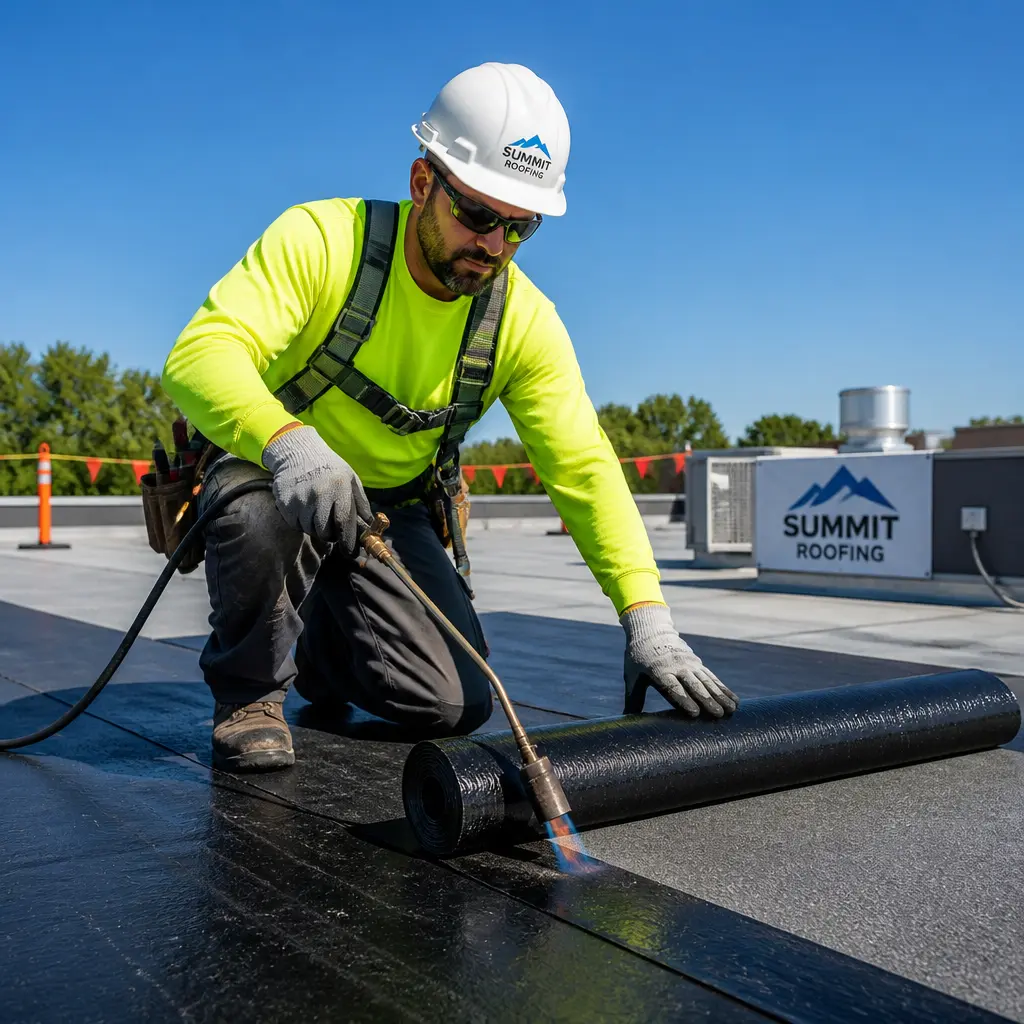
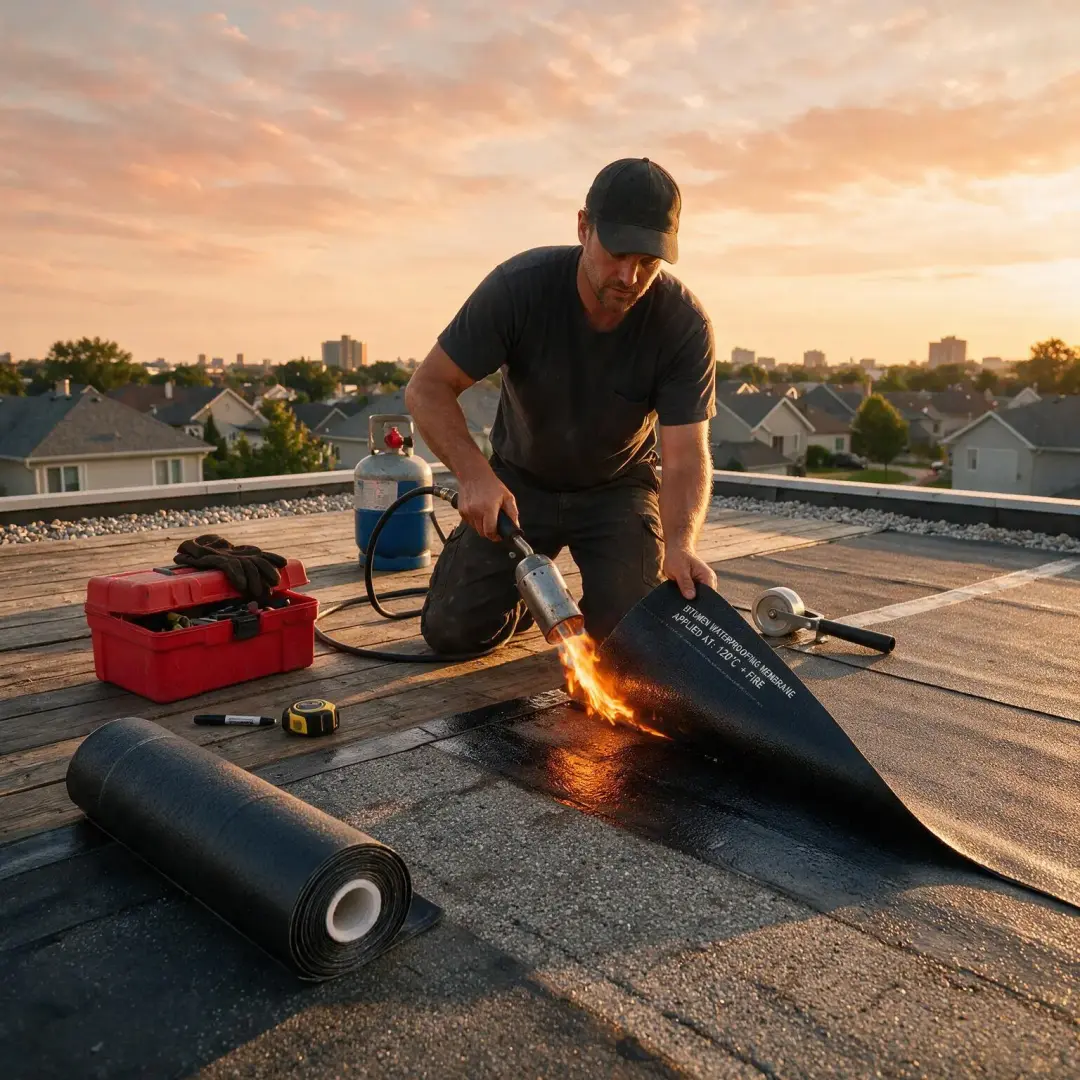
A flat roof can provide reliable protection for many years, but small defects may allow water to reach the insulation, roof deck and rooms below.
Recognising the early signs of damage can help you arrange repairs before the problem spreads. Regular checks are especially important after storms, heavy rain, freezing weather or work carried out on the roof.
Why Is Early Flat Roof Repair Important?
A small crack, loose joint or blocked outlet may appear minor, but it can allow water to enter the roof system. Once moisture reaches the insulation or deck, the affected area may become much larger than the visible surface damage.
Early repairs can help protect the roof structure, internal decoration and electrical fittings. They may also reduce the risk of mould, damp and heat loss.
Recent figures show the financial effect of poor weather on properties. The Association of British Insurers reported that insurers paid £1.2 billion for weather-related property claims during 2025. Storm damage to homes reached £244 million, which was 32% higher than in 2024.
- Weather-related property claims reached £1.2 billion in 2025
- Storm damage to homes cost insurers £244 million in 2025
- The average storm damage payment reached £2,450 in 2025
- Construction repair and maintenance output grew by 2.1% in the three months to May 2026
- Non-housing repair and maintenance output grew by 3.0% over the same period
Not every mark or small pool of water means that a full roof replacement is needed. However, visible changes should be checked before they become more serious. A professional roofer can identify whether the problem is limited to the covering or has reached the layers below.
Water Stains on Ceilings or Walls
Brown, yellow or dark marks on a ceiling are among the clearest signs that water may be entering the building. The stain may become darker after rain or slowly grow over several weeks.
Water does not always appear directly below the damaged part of a flat roof. It can travel across the roof deck, along supporting timbers or around insulation before entering the room.
Marks near an outside wall may be linked to damaged roof edges, wall joints or outlets. Stains near a roof light may indicate a failed seal or damaged surrounding covering.
The source should be found rather than simply painting over the mark. Covering the stain will not stop water entering the roof.
Standing Water That Does Not Drain Away
A flat roof should have a slight slope that moves rainwater towards its outlets, gutters or drainage channels. Some water may remain for a short time after rain, but large or lasting pools should be investigated.
Standing water may be caused by blocked outlets, poor falls, movement in the roof deck or sections that have started to sink. The added weight can place stress on the roof and its supporting structure.
Repeated pooling may also shorten the life of some waterproof coverings. Water can settle around joints, cracks and roof fittings, increasing the chance of a leak.
Leaves, moss and other material should be removed from drainage points. If the water still remains, the roof may need repairs to its surface, deck or drainage layout.
How Long Should Water Remain on a Flat Roof?
The answer depends on the roof design, weather and covering. Small wet areas may remain while the surface dries, particularly during cool or shaded conditions.
Water that forms deep pools or remains long after the surrounding area has dried may point to a drainage problem. Repeated pooling in the same place is also a warning sign.
A roofer can check the roof falls, outlets and deck to find the reason water is collecting.
Cracks, Splits or Tears in the Roof Covering
Cracks and splits can develop as a roof covering ages or moves during changes in temperature. They may also be caused by falling branches, tools, sharp material or regular foot traffic.
Even a narrow crack can allow moisture to reach the layers below. The damage may become wider when water freezes, the roof moves or somebody walks over the affected area.
Check areas around roof edges, outlets, pipes, vents and other fittings. These sections include more joints and changes in shape, so they can be more likely to develop defects.
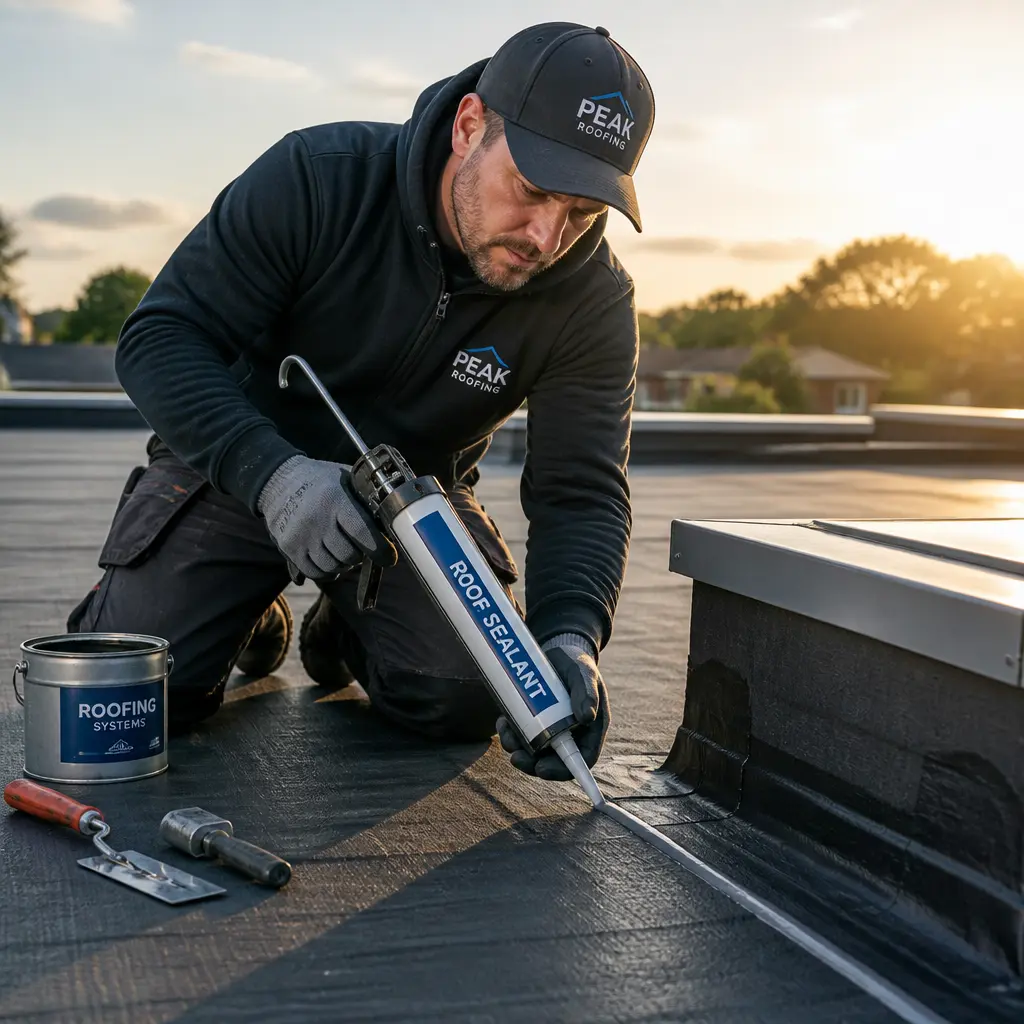
Do not use a general sealant without checking that it is suitable for the existing roofing system. An unsuitable product may fail quickly or make a later professional repair more difficult.
Can a Small Crack Be Repaired?
A small area of damage can often be repaired when the surrounding material and roof deck are still sound. The correct method will depend on whether the covering is made from a membrane, reinforced bitumen, fibreglass or a liquid-applied system.
The roofer should inspect beyond the visible crack to check for trapped moisture. A surface patch may not provide a lasting result if the insulation or deck below is already wet.
Several cracks across the roof may indicate wider ageing or movement and could require more extensive work.
Blisters, Bubbles or Raised Areas
A blister appears as a raised section in the roof covering. It may form when air or moisture becomes trapped between the layers and expands during warmer weather.
Small blisters do not always leak straight away, but they can place the material under stress. The raised surface may split, tear or become damaged when stepped on.
Bubbles can also point to poor bonding between the covering and the surface below. If many areas are affected, the problem may relate to the original installation or moisture spread across the roof.
Blisters should not be cut open without professional advice. Opening the surface may allow more water into the roof and can make it difficult to confirm the original cause.
Loose Seams and Lifting Roof Edges
Many flat roof systems include seams, overlaps or bonded joints. These parts must remain firmly sealed to form a continuous waterproof surface.
A loose seam may create a narrow opening that allows wind-driven rain underneath the covering. Strong winds can then lift the material further and expose a larger part of the roof.
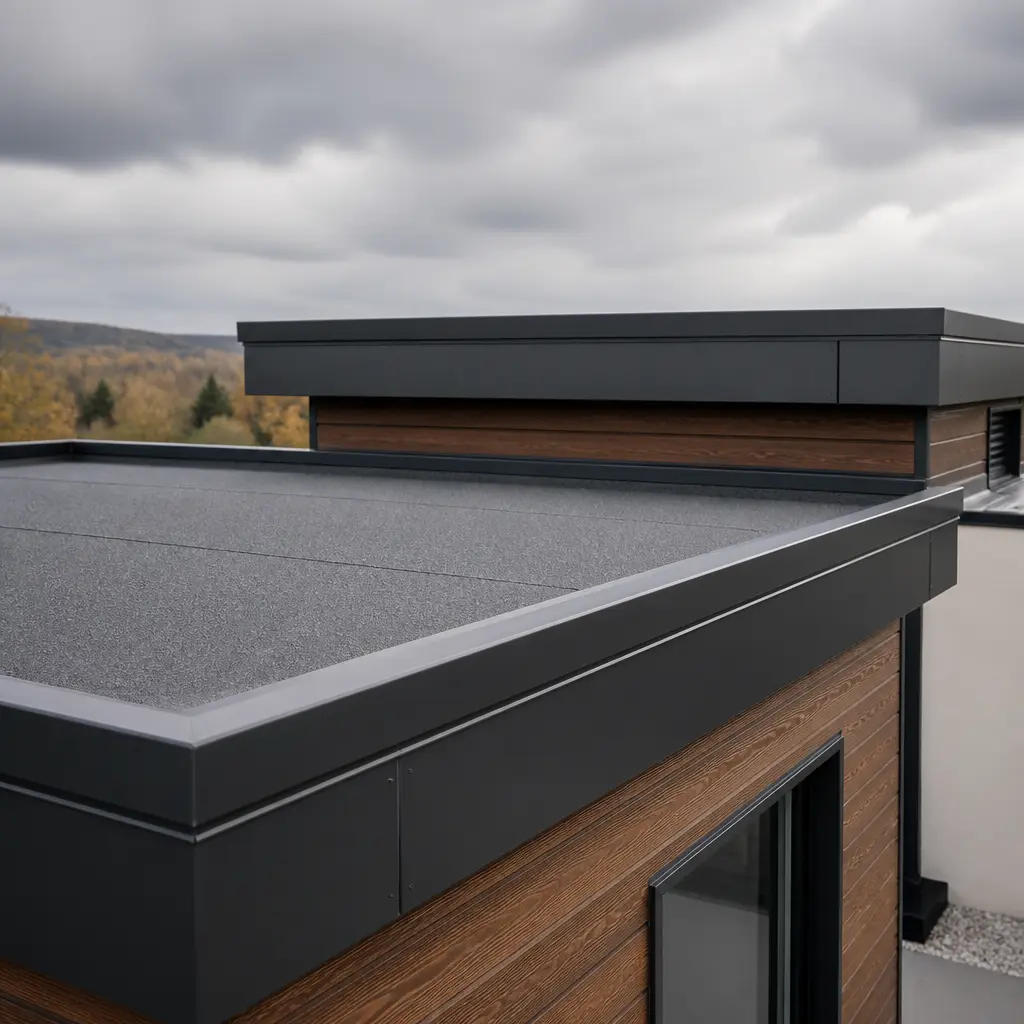
The edges should also be checked where the roof meets walls, kerbs, gutters and metal trims. Loose or bent edge details can allow water to pass behind the waterproof layer.
Repairs should restore the full joint rather than sealing only the visible end. The roofer may need to clean, dry and prepare the area before bonding or covering it with a compatible repair material.
Damaged Seals Around Roof Lights, Pipes and Vents
Every opening in a flat roof needs a carefully sealed connection. Common examples include roof lights, ventilation pipes, flues, cables and equipment supports.
The materials around these features may crack, pull away or lose their bond as the roof moves. Previous repair work may also fail if the wrong product was used.
Signs of trouble include gaps, loose material, cracked sealant or water marks inside the building. Moss or dirt collecting around a fitting may slow drainage and keep the area wet.
A repair must keep the waterproof covering continuous while allowing for normal movement. Simply applying more sealant over an old joint may hide the defect without providing a secure connection.
Blocked or Damaged Drainage
Outlets, gutters and downpipes must carry rainwater away from the roof. Leaves, moss, litter and loose roof material can reduce the flow or block it completely.
Water overflowing from an outlet, running down an outside wall or forming pools nearby may indicate a blockage. A damaged gutter or downpipe can create similar problems.
Drainage parts should be cleaned carefully and checked for cracks, loose joints and poor connections. Outlet guards can reduce the amount of material entering the drainage system, but they still need regular attention.
If an outlet blocks repeatedly, its size, position or surrounding roof slope may be unsuitable. A professional assessment can confirm whether repair or alteration is needed.
Sagging or Soft Areas Underfoot
A flat roof should feel firm when inspected by a trained person using safe access. A soft, springy or sunken section may indicate a damaged roof deck or wet insulation.
Water can weaken some timber-based decking and reduce the performance of insulation. The surface may then sink, creating a new low point where more rainwater collects.
Sagging can also be linked to movement or damage in the supporting structure. This should be treated seriously, particularly if the affected area is growing or holding a deep pool of water.
Do not walk on a soft area. The covering or deck could give way. The roof should be inspected from a safe position by somebody with suitable training and equipment.
Damp, Mould or Musty Smells Indoors
A flat roof problem may become noticeable indoors before the leak produces a clear ceiling stain. Rooms below the roof may develop a damp smell, mould growth or peeling paint.
These signs can be caused by a leak, condensation or another source of moisture. A full inspection is needed to find the cause.
Wet roof insulation may remain damp even when the internal surface appears dry. This can reduce its ability to slow heat loss and may allow moisture to affect the deck or supporting timbers.
Mould should not be cleaned away without dealing with the moisture source. It may return if water continues to enter or condensation is not properly controlled.
Damage After a Storm
Strong winds can lift roof edges, loosen trims and move unsecured equipment. Falling branches and wind-blown material can puncture or tear the waterproof covering.
Heavy rain may reveal blocked outlets or weak joints that did not leak during lighter weather. Hail and freezing conditions can also affect older or brittle materials.
The Association of British Insurers reported that the average payment for storm damage reached £2,450 in 2025. This was £750 higher than the average recorded for 2024.
A visual check should be arranged after severe weather, particularly when pieces of roofing material are found on the ground or new marks appear indoors. Unsafe or exposed roofs should only be inspected by trained professionals.

Movement, Wrinkles and Surface Shrinkage
Some flat roof coverings may shrink, stretch or form wrinkles as they age. Changes can be caused by heat, cold, poor fixing, movement in the building or problems with the original installation.
Shrinkage may pull the material away from walls, edges, outlets and other fixed points. Wrinkles can trap water or create raised sections that are more likely to be damaged.
A small amount of surface movement does not always mean the roof has failed. However, new or worsening changes should be inspected, especially when they appear close to joints or fittings.
Repairs must allow for the type of movement taking place. Fixing one point without understanding the cause may place extra stress on another section.
A Sudden Increase in Heating Use
A damaged flat roof may allow insulation to become wet. Wet insulation can provide less protection against heat movement, making rooms below the roof harder to keep warm.
An unexplained change in heating use may have several causes, so it does not prove that the roof is damaged. However, it is worth checking when it appears alongside damp, leaks, cold patches or visible roof defects.
A professional inspection may include checks for trapped moisture and damaged insulation. Sections of the roof may need to be opened if the condition of the hidden layers cannot be confirmed from the surface.
Replacing wet insulation during a repair can help restore the intended performance of the roof.
Repeated Repairs to the Same Area
A roof that leaks repeatedly in the same place may have a problem that has not been fully identified. Water could be entering through a nearby joint and travelling below the surface before appearing at the repaired area.
Several layers of patches and sealant may also make it harder to inspect the original covering. They can trap moisture or create raised edges where water collects.
The roofer should review the full area, including the deck, insulation, drainage and nearby fittings. Removing an old patch may be necessary to check the condition underneath.
When defects are widespread, continued local repairs may provide poor value. Refurbishment or replacement may be more suitable than adding further patches.
When Can a Flat Roof Be Repaired?
A local repair may be suitable when the damage covers a small area and the surrounding roof remains in good condition.
Examples may include a single puncture, a short loose seam, a failed seal or local damage around an outlet. The deck and insulation below should be checked for moisture before the repair is completed.
The repair material must be suitable for the existing roof system. It should also form a secure connection with the original covering.
The age of the roof, number of previous repairs and remaining service life should be considered. Repairing a nearly worn-out covering may delay rather than solve the need for replacement.
When Might the Full Roof Need Replacing?
Replacement may be recommended when damage is spread across a large area or the waterproof covering has reached the end of its useful life.
Widespread cracking, repeated leaks, wet insulation, rotten decking and poor drainage can make local repairs less practical. A roof with many different patches may also become difficult to maintain.
Replacement provides an opportunity to correct the roof falls, improve drainage and review the insulation. Damaged decking can be removed before a new waterproof covering is installed.
A professional survey should compare the cost and expected life of repair, refurbishment and replacement. The lowest immediate price may not provide the best value over the following years.
Current Figures Show Continued Repair Activity
Office for National Statistics figures show that construction output in Great Britain grew by 1.6% in the three months to May 2026.
Repair and maintenance output increased by 2.1% over the same period. Non-housing repair and maintenance grew by 3.0% and was the strongest positive contributor among the measured sectors.
The figures cover many types of construction work rather than flat roofs alone. However, they show continued activity in maintaining and improving existing properties.
Decisions about an individual roof should always be based on its condition. A survey can identify whether prompt repair could prevent more extensive damage.
How Much Does Flat Roof Repair Cost?
The cost depends on the size and type of damage, the existing roof material and the condition of the hidden layers.
A simple surface repair may cost less than work that requires wet insulation or damaged decking to be removed. Difficult access, roof height and safety equipment may also affect the price.
Drainage alterations, wall joints, roof lights and equipment supports can add further work. Emergency repairs after severe weather may be priced differently from planned maintenance.
A written quotation should state what will be repaired, which materials will be used and whether the surrounding roof has been checked. Any guarantee should also be explained clearly.
What Happens During a Professional Roof Inspection?
The roofer should examine the covering, seams, edges, outlets and all points where the roof meets walls or equipment.
They may check for cracks, blisters, loose material, standing water and signs of movement. Internal ceilings and walls may also be inspected for damp or staining.
Moisture testing can help locate wet sections, although parts of the roof may need to be opened to confirm the condition of the insulation and deck.
The inspection should result in a clear explanation of the problem and its likely cause. Recommendations may include local repair, drainage work, refurbishment or replacement.
How Can Future Flat Roof Damage Be Reduced?
Arrange regular inspections and additional checks after severe weather or building work. Early attention can prevent small defects from spreading.
Keep outlets, gutters and downpipes clear so rainwater can leave the roof. Cut back nearby branches when they could fall onto or scrape against the covering.
Avoid unnecessary foot traffic. Where access is required, use suitable walkways or protection designed for the roof system.
Do not place equipment, plant pots or stored material on the roof unless its structure and surface have been designed for the added load.
Keep records of inspections and repairs. These can help identify recurring problems and may support the conditions of an installation or product guarantee.
Frequently Asked Questions
```Does Standing Water Mean My Flat Roof Is Leaking?
Not always, but large or long-lasting pools can increase the risk of damage. The drainage system and roof falls should be checked if water collects repeatedly.
Can I Repair a Flat Roof Myself?
Working at height is dangerous, and using an unsuitable repair product can make the problem worse. A trained roofer can identify the cause and use a material that is compatible with the existing system.
How Often Should a Flat Roof Be Inspected?
Regular planned checks are recommended, together with additional inspections after severe storms, heavy rain or work carried out on the roof. The suitable schedule will depend on the material, age, location and guarantee conditions.
Can a Leaking Flat Roof Be Repaired in Wet Weather?
A temporary emergency measure may sometimes be possible, but many permanent repair materials need a clean and dry surface. The roofer should explain what can be completed safely in the conditions.
Does One Leak Mean the Whole Roof Needs Replacing?
No. A single local defect may be repairable when the rest of the roof remains sound. Replacement is more likely when damage, moisture or ageing is widespread.
What Are the Main Signs Your Flat Roof Needs Repair?
Warning signs include ceiling stains, damp smells, standing water, blocked drainage, cracks, blisters and loose seams.
Damage around roof lights, vents, outlets and wall joints should also be investigated. Soft areas, sagging and repeated leaks may indicate that water has reached the deck or insulation.
Some defects remain hidden until they cause internal damage. Regular professional inspections can identify changes before water spreads through the roof system.
Prompt repair may protect the structure and reduce the need for more extensive work. When damage is widespread, a roofer should explain whether refurbishment or replacement would provide a safer and longer-lasting result.
Have you noticed leaks, standing water or visible damage on your flat roof? Colmore Roofing Contractors can inspect the covering, drainage, insulation and roof deck before recommending a suitable repair. Contact the team to arrange a professional flat roof assessment in Birmingham, Dudley or Wolverhampton.