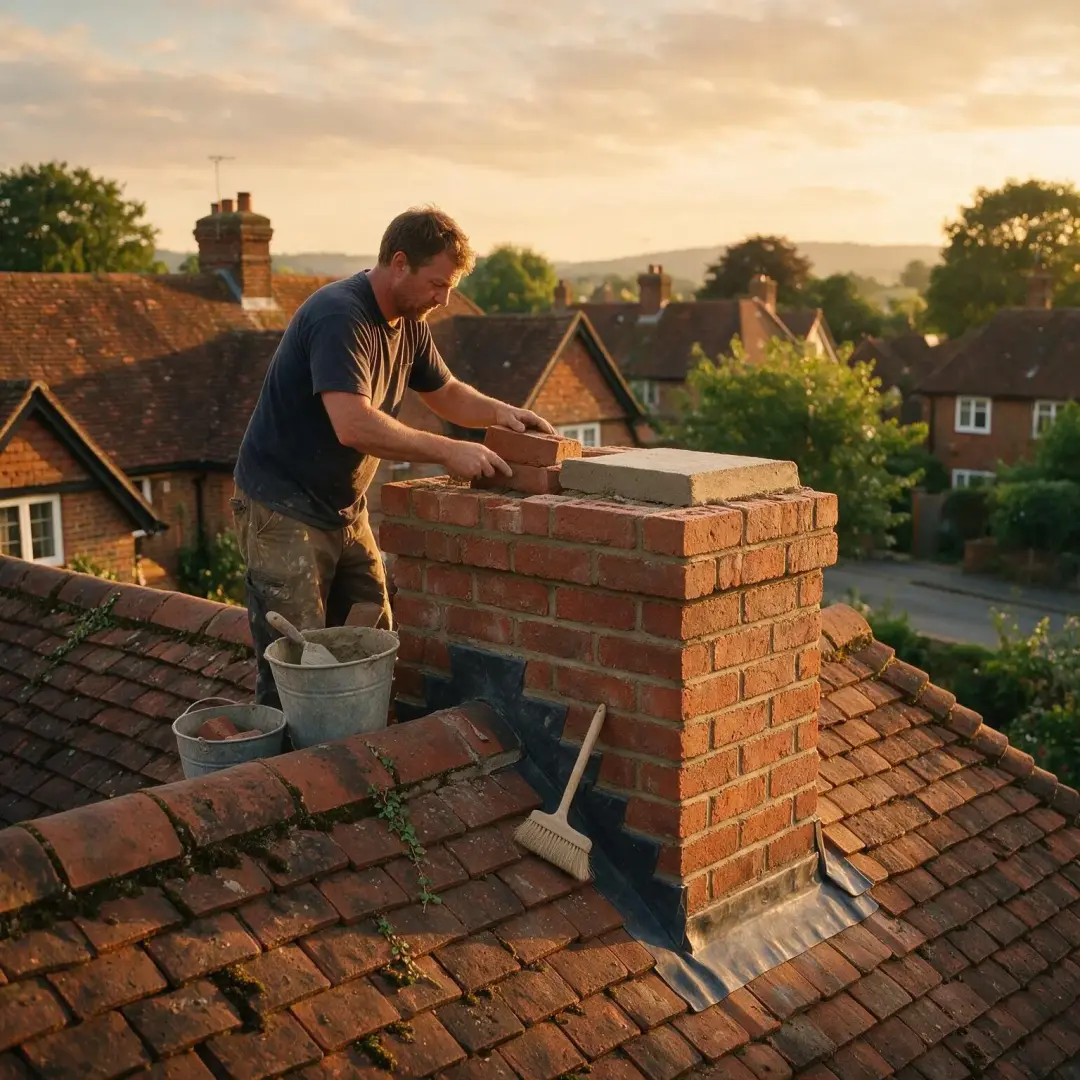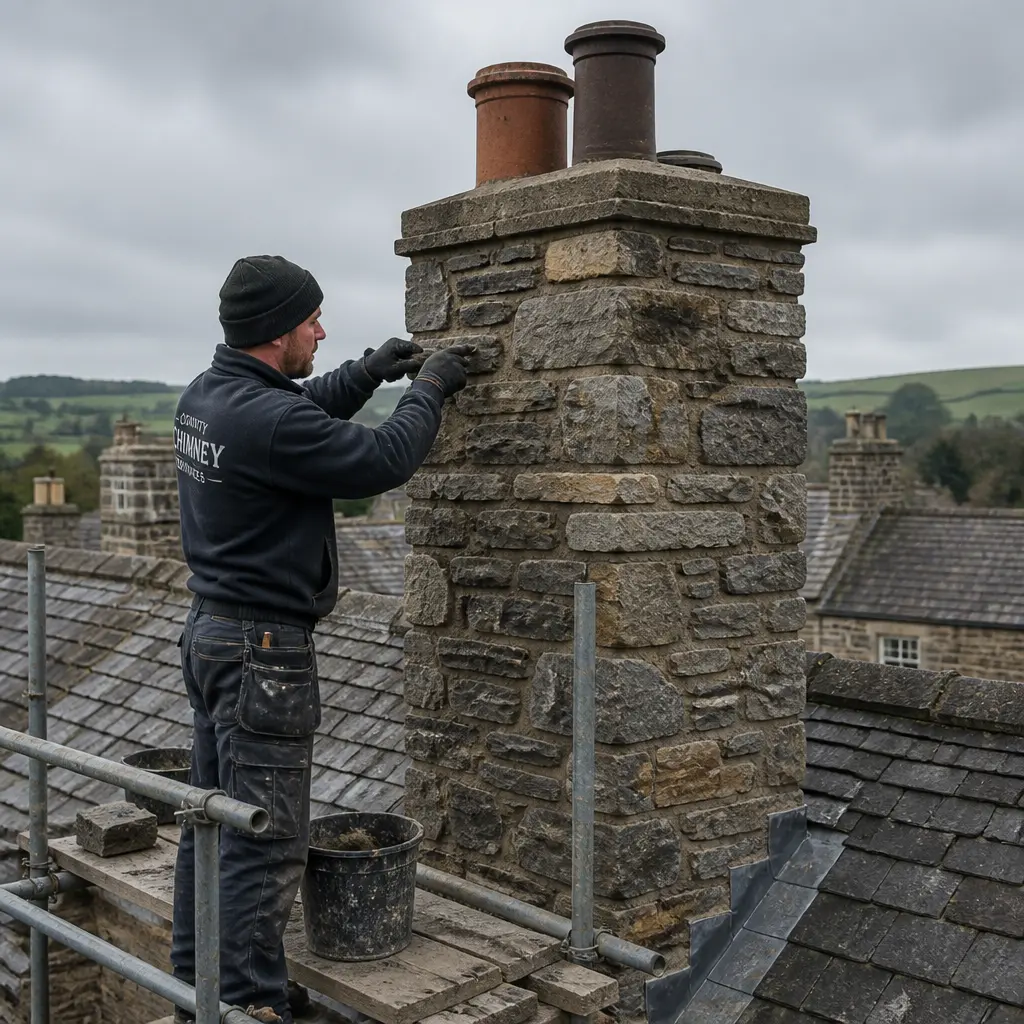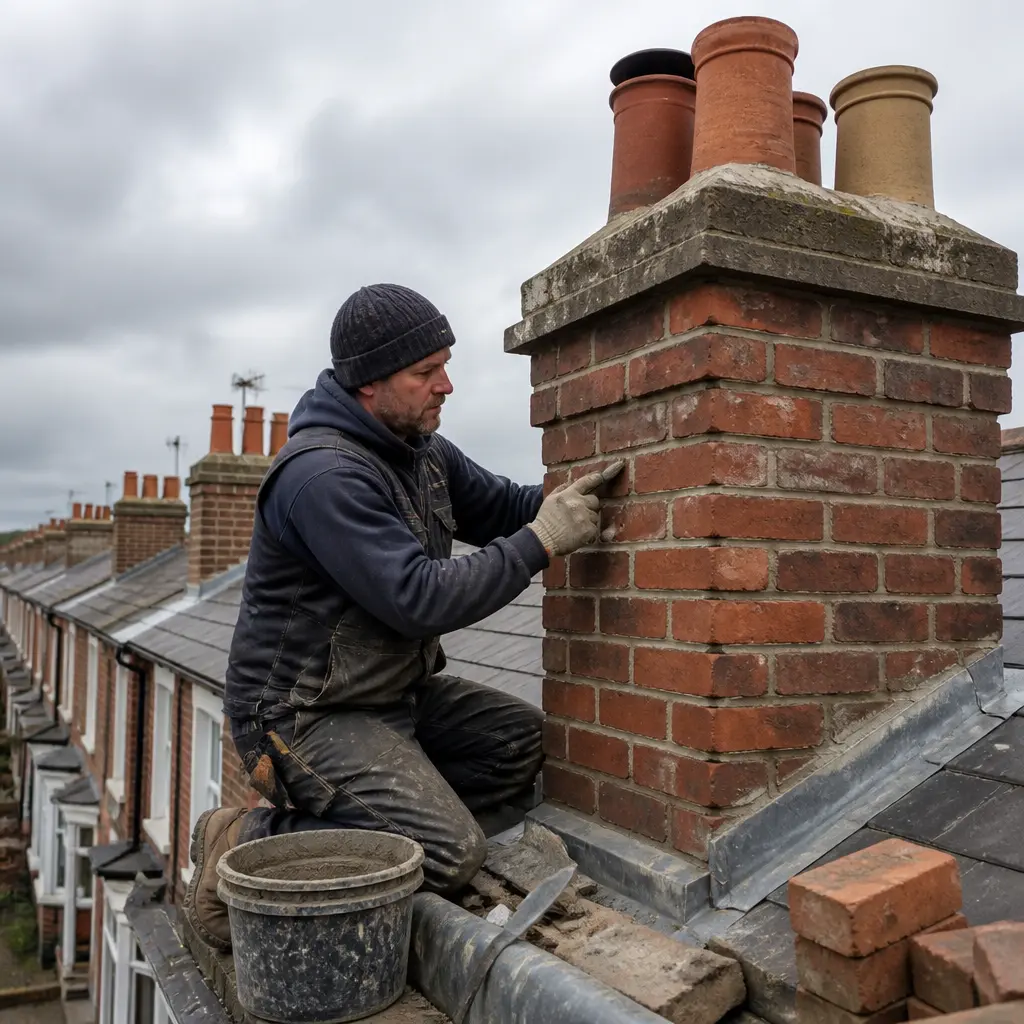
Cracked bricks, loose mortar, damp patches, smoke entering a room and a leaning chimney stack can all show that a chimney needs repair. Some faults develop slowly, while others can place people and the property at immediate risk.
Recognising the warning signs early can limit water damage, reduce repair costs and help prevent chimney fires or carbon monoxide from entering the home.
What Are the Main Signs Your Chimney Needs Repair?
A chimney is exposed to rain, frost, heat and strong winds throughout the year. Over time, these conditions can damage the bricks, mortar, flashing, chimney pot and internal flue.
Common signs of damage include cracked or flaking bricks, gaps in mortar joints, water stains near the chimney breast, loose materials on the roof and smoke coming back into a room.
You may also notice a strong soot smell, poor fire performance, pieces of flue liner in the fireplace or a chimney stack that appears to lean.
Some problems are visible from the ground, but the full cause may be hidden. A damp mark, for example, could be caused by failed flashing, damaged mortar, a cracked chimney pot, condensation or a problem with the flue liner.
A professional inspection can identify the cause and show whether the chimney needs a small local repair, more extensive rebuilding or internal flue work.
- Fire and rescue services attended 2,019 chimney fires in England in the year ending March 2025
- This was 5.5% fewer than the 2,136 chimney fires recorded during the previous year
- The number of chimney fires was 61% lower than it was ten years earlier
- Fire and rescue services attended 142,494 fires of all types during the same year
- Repair and maintenance construction output grew by 2.1% in the three months to May 2026
Although the number of chimney fires has fallen over the longer term, more than 2,000 incidents still required an emergency response in one year. Regular sweeping, correct fuel use and prompt repairs remain important for homes with an open fire, stove or other working fuel-burning appliance.
Cracked, Flaking or Loose Bricks
Cracked chimney bricks are one of the clearest signs that repairs may be needed. Cracks allow water to enter the masonry, where it can cause further damage during cold weather.
When trapped water freezes, it expands. Repeated freezing and thawing can make brick faces break away, creating a rough or flaking surface. This is sometimes called spalling.
Small areas of damage may be repaired by replacing individual bricks. More widespread cracking can show that water has been entering the chimney for a long time or that movement has taken place within the stack.
Loose brick pieces may fall onto the roof, into the flue or to the ground below. Keep people away from the area if materials appear unstable.
A contractor should check all sides of the stack rather than repairing only the most visible face. Hidden damage may be present on the roof-facing side of the chimney.
Missing, Crumbling or Recessed Mortar
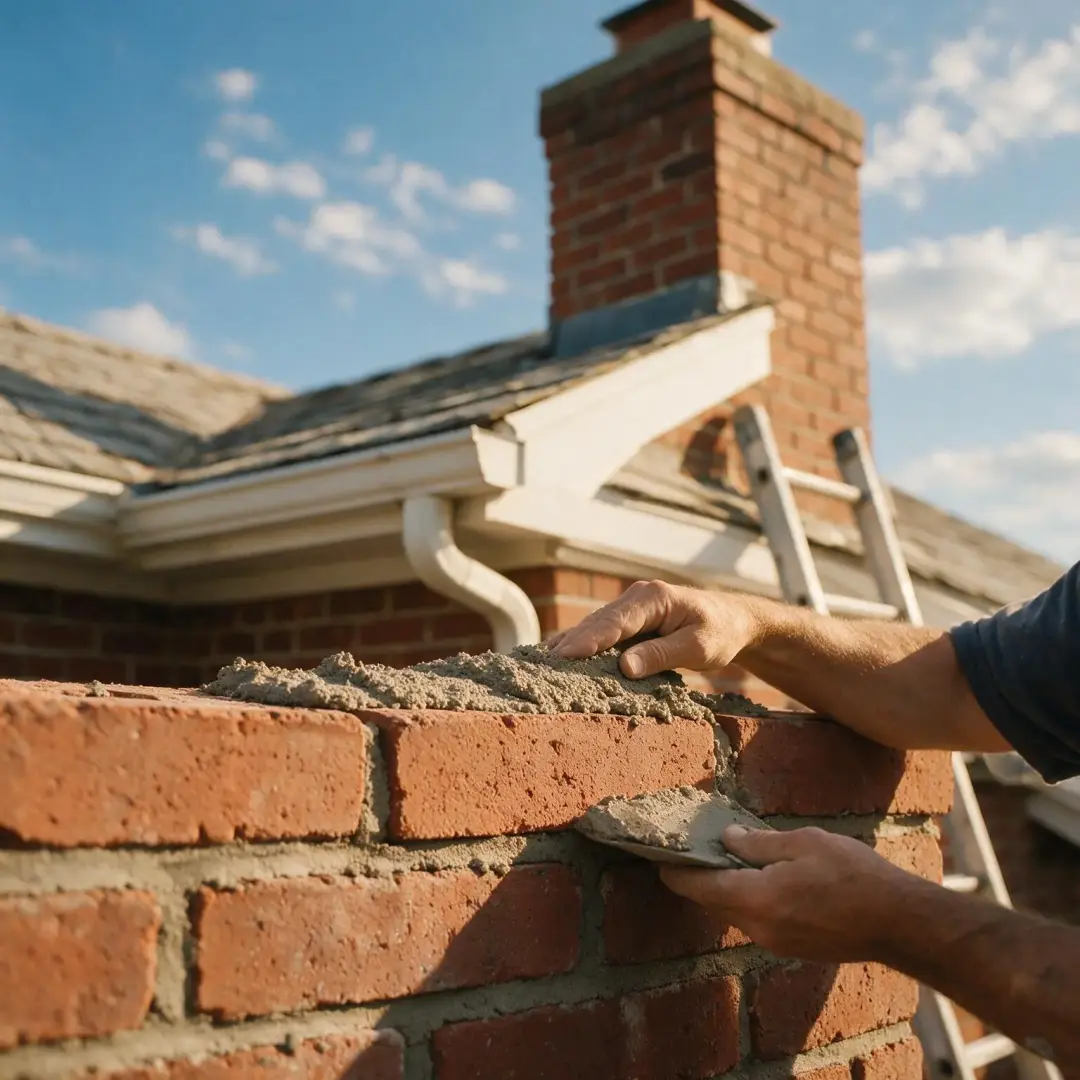
Mortar fills the joints between chimney bricks. It helps hold the structure together and limits the amount of water entering the stack.
Weathered mortar may look cracked, powdery, loose or deeply recessed from the face of the bricks. Pieces may fall onto the roof or collect near the fireplace if the internal masonry is also damaged.
Failed joints can normally be repaired by repointing. This involves removing the weak material to a suitable depth, cleaning the joints and filling them with replacement mortar.
Applying a thin layer of new mortar over damaged joints is unlikely to last. The loose material beneath it will remain weak and may continue to let water into the chimney.
The new mortar should suit the bricks and the age of the building. Mortar that is too hard can sometimes trap moisture and damage softer bricks, particularly on older properties.
Damp Patches Near the Chimney Breast
Brown marks, peeling paint, loose wallpaper or damp plaster near a chimney breast can show that water is entering the chimney or roof.
Possible causes include failed flashing, cracked brickwork, worn mortar, a damaged chimney pot or rain entering through an unsuitable terminal. Moisture can also form through condensation inside an unused or poorly ventilated flue.
Old soot and salts within the chimney may make staining worse. These materials can draw moisture into the wall, causing marks to return even after the surface has been painted.
The source of the moisture should be found before redecorating. Covering the stain will not stop water entry or condensation.
Repairs may involve repointing the stack, replacing flashing, fitting a suitable cowl, improving ventilation or renewing damaged plaster after the chimney has dried. Water can travel through a roof, so the visible mark may not sit directly below the fault.
Damaged or Failed Chimney Flashing
Flashing seals the joint between the chimney and the roof. It is normally made from lead or another suitable weatherproof material.
Loose, cracked, missing or poorly fitted flashing can allow rainwater into the roof. Signs may include damp roof timbers, wet insulation, ceiling stains or moisture around the upper part of a chimney breast.
You may also see sections of flashing lifting away from the brickwork or gaps where the material meets the roof covering.
A minor opening may sometimes be repaired, but badly worn or poorly fitted flashing will usually need to be replaced. The replacement must be properly shaped, fixed and joined to both the chimney and roof.
Thick layers of sealant should not be treated as a lasting repair. Sealant may hide a gap for a short period without dealing with the damaged detail beneath it.
Nearby tiles, roof valleys, mortar and underlay should also be checked when investigating a leak.
A Cracked or Unstable Chimney Pot
A chimney pot sits at the top of the stack and is exposed to frost, rain, heat and wind. Cracks can grow over time and may eventually leave the pot unstable.
Warning signs include visible splits, missing pieces, a pot that appears tilted or loose mortar around its base. You may also find broken pieces on the roof or ground.
A damaged pot can allow more rain into the flue. It may also fall during strong winds, placing people and nearby property at risk.
The pot may need to be reset, repaired or replaced. Its replacement must suit the chimney, flue and appliance.
A cowl or bird guard can provide protection against rain and nesting birds, but it must allow the chimney to work safely. The wrong product may reduce airflow or be unsuitable for the fuel being burned.
Unused chimneys should usually be protected from rain while retaining controlled ventilation.
Smoke Entering the Room
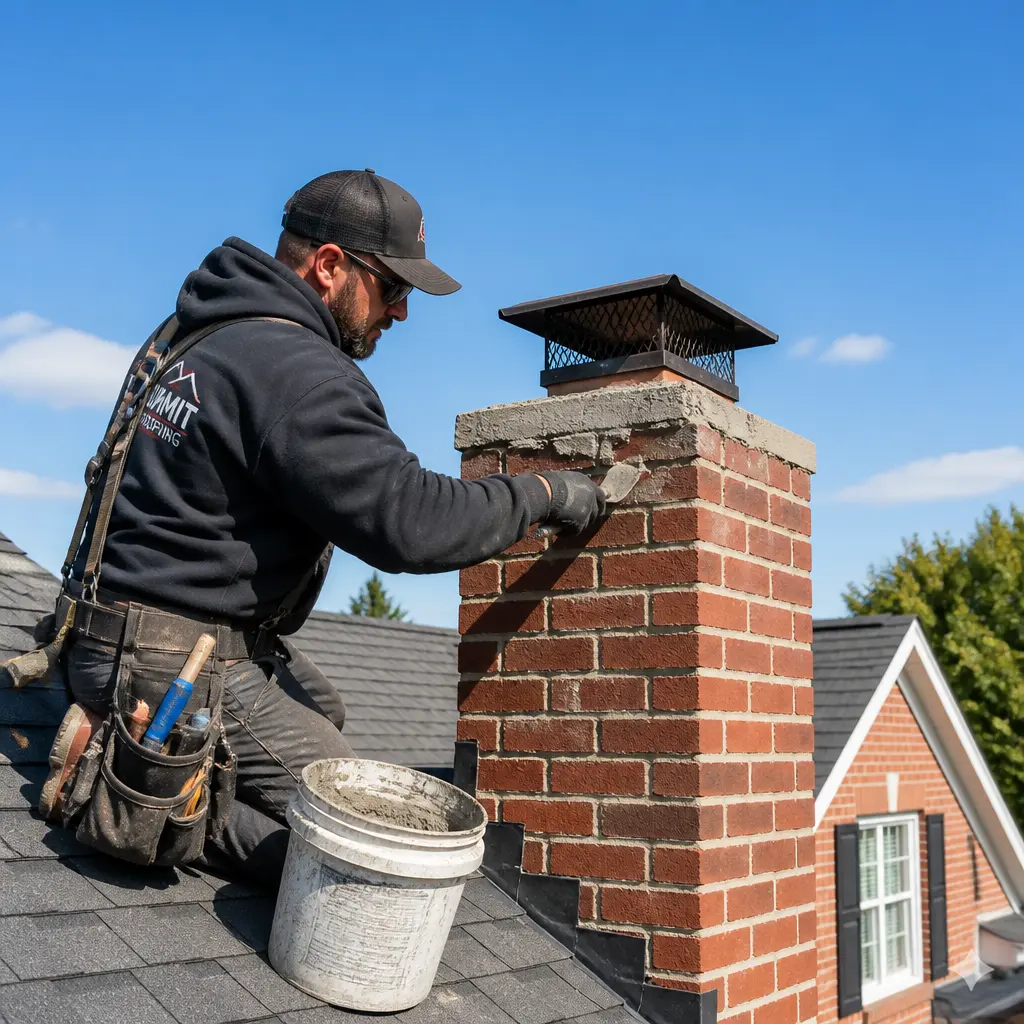
Smoke should travel up the flue and leave through the chimney. Smoke entering a room is a serious warning sign that the system may not be working safely.
Possible causes include a blocked flue, heavy soot deposits, a bird nest, fallen masonry, a damaged liner, weak airflow or a room without enough ventilation.
Extractor fans can also affect airflow in some homes by drawing air back down the chimney. Strong winds around the roof may cause problems with some chimney terminals.
Stop using the fire or appliance if smoke repeatedly enters the room. Open windows as you leave the affected area and arrange an inspection.
Do not light another fire to test whether the blockage has cleared. This could force more smoke or combustion gases into the property.
A professional may need to sweep the chimney, inspect it with a camera and test the flue before confirming that it is safe to use.
Strong Soot or Tar Smells
A strong soot smell can indicate heavy deposits, damp inside the chimney, poor ventilation or a fault that is allowing fumes to escape from the flue.
Creosote is a sticky and combustible material that can build up when wood or other fuels do not burn cleanly. Wet wood, low-temperature burning and poor airflow can cause deposits to form more quickly.
Heavy deposits reduce the space available for smoke and gases to escape. They can also increase the risk of a chimney fire.
A smell may become more noticeable during warm or humid weather, when air can move down an unused chimney and into the room.
Arrange professional sweeping if the chimney has not been cleaned at a suitable frequency. The sweep should also report signs of damage, blockages or problems with the liner.
Only dry, suitable fuel should be burned. Painted timber, treated wood and household rubbish should never be placed on a fire.
| Warning sign | Possible cause | Recommended action |
|---|---|---|
| Cracked or flaking bricks | Water entry, frost or movement | Arrange a masonry inspection |
| Damp near the chimney | Failed flashing, damaged masonry or condensation | Inspect the roof, stack and flue |
| Smoke entering a room | Blocked flue, poor airflow or liner damage | Stop using the appliance and arrange an urgent check |
| Falling mortar or brick | Weather damage or unstable masonry | Keep the area clear and request urgent repairs |
| Leaning chimney stack | Structural movement or weakened support | Arrange a structural assessment |
| Pieces inside the fireplace | Damaged liner or internal masonry | Do not use the fire until the flue is inspected |
Falling Soot, Mortar or Liner Pieces
A small amount of loose soot may fall after a chimney has been swept, but repeated debris can show that part of the chimney is breaking down.
Pieces of mortar or brick may come from damaged internal masonry. Thin metal, clay or cement-like fragments could come from a worn or cracked flue liner.
A damaged liner can allow heat, smoke or combustion gases to reach parts of the building that should be protected. It may also affect the performance of the appliance.
Stop using the fire if unfamiliar pieces continue to appear in the fireplace. Keep a sample or take a clear photograph so the person carrying out the inspection can identify it.
A camera survey or smoke test may be needed to check the full length of the flue. The correct repair could involve local masonry work, a new liner or another suitable relining system.
The replacement must be properly sized and suitable for the appliance and fuel.
Poor Fire Performance or Weak Chimney Draw
A fire that is difficult to light, burns poorly or goes out without a clear reason may point to a chimney problem.
A chimney depends on an upward flow of warm gases. Blockages, heavy deposits, an unsuitable flue size, a cold chimney or limited room ventilation can weaken this flow.
Black marks around the fireplace opening may show that smoke has been spilling into the room. Windows becoming dirty more quickly can also suggest that fuel is not burning correctly.
Opening a window may temporarily improve the fire and suggest that the room lacks enough replacement air. However, this is not a complete repair and the full system should still be checked.
A professional should examine the appliance, flue, room ventilation and chimney terminal. Repairs might include sweeping, clearing a blockage, repairing the liner or correcting the ventilation.
Do not continue using an appliance that repeatedly releases smoke or fumes into the property.
A Leaning or Unstable Chimney Stack
A chimney that appears to lean may have weakened mortar, damaged bricks, poor support or movement within the building.
Some older chimney stacks were built with a slight lean, so an angle does not always mean recent movement. However, new cracks, widening gaps or a changing position should be treated seriously.
Look for separation between the chimney and nearby roof materials, long cracks through several bricks or a chimney pot that no longer appears upright.
Do not climb onto the roof to inspect an unstable stack. Loose bricks and pots can move without warning, and roof work presents a serious fall risk.
Keep people away from the ground below if there is a chance that materials could fall. A contractor may need safe access equipment to examine every side of the stack.
Repairs can range from repointing and replacing bricks to partial rebuilding. A surveyor or structural professional may be needed if the cause or level of movement is unclear.
Signs of a Previous Chimney Fire
Not every chimney fire is immediately recognised. A small fire may remain inside the flue and stop before the emergency services arrive.
Possible signs include melted or damaged cowl parts, cracked liner sections, scorched debris, unusual deposits and mortar that has broken away after being exposed to high heat.
During a chimney fire, people may hear a loud roaring sound, see sparks or flames from the chimney pot or notice that the chimney breast has become unusually hot.
Leave the building and call the fire and rescue service if you believe a chimney fire is taking place. Do not climb onto the roof or try to inspect the stack yourself.
The chimney must be swept and inspected before it is used again. Heat can damage the liner, mortar and nearby materials even when the outside of the stack appears normal.
Any damaged parts must be repaired and the flue confirmed as safe before another fire is lit.
Carbon Monoxide Alarm Warnings
Carbon monoxide is a poisonous gas produced when fuel does not burn completely. It cannot be seen, tasted or smelled.
A blocked flue, damaged chimney, faulty appliance or poor room ventilation can allow the gas to collect inside a property.
Possible symptoms of exposure include headaches, dizziness, sickness, weakness and confusion. Leave the property and seek urgent help if an alarm sounds or carbon monoxide poisoning is suspected.
Do not use the fire or appliance again until it has been inspected and confirmed as safe. Opening windows is not a replacement for leaving the affected area or arranging professional checks.
In England, landlords must provide a carbon monoxide alarm in any room used as living accommodation that contains a fixed fuel-burning appliance, apart from a gas cooker. They must also repair or replace a faulty alarm after being told about the problem and confirming the fault.
Homeowners should also fit, test and replace suitable alarms according to the product instructions.
Should the Chimney Be Repaired or Rebuilt?
A small repair may be enough when the damage affects a few mortar joints, one or two bricks, a section of flashing or the base of a chimney pot.
More extensive work may be required when the chimney is leaning, large cracks pass through several bricks or repeated repairs have failed.
Partial rebuilding allows an unsafe upper section to be removed and replaced while sound lower brickwork remains. A complete rebuild may be needed when most of the stack is badly weathered or unstable.
The decision should be based on the condition of the whole chimney. The inspection should cover the pot, mortar, brickwork, flaunching, flashing, flue and any visible support inside the roof.
A written quotation should explain which parts will remain, which parts will be replaced and what materials will be used.
It should also explain how the roof and surrounding area will be protected during the work.
Can You Inspect or Repair a Chimney Yourself?
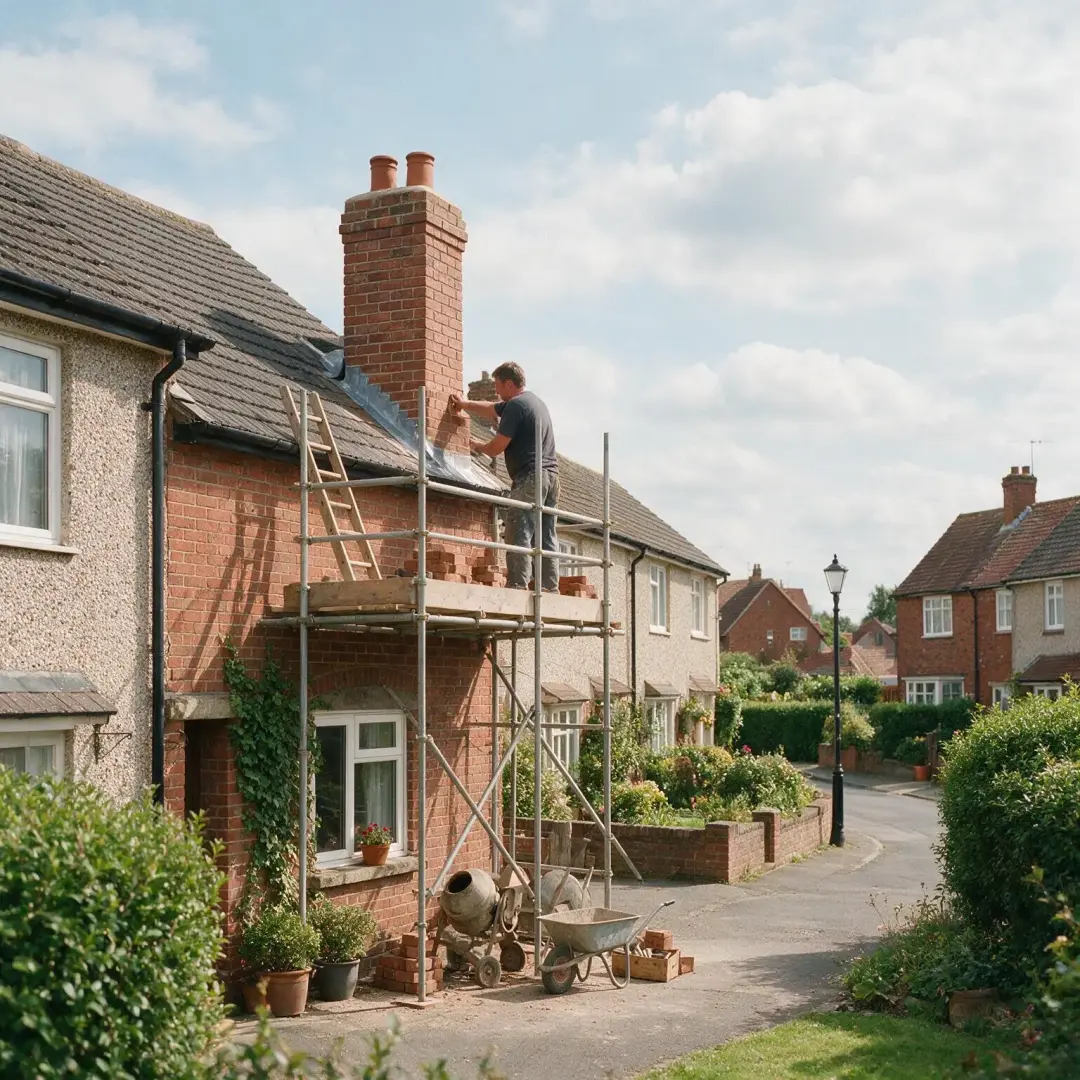
You can make basic observations from a safe position on the ground. Look for visible cracks, leaning pots, loose materials and indoor water marks.
You can also test smoke and carbon monoxide alarms according to their instructions. However, most chimney inspections and repairs require suitable training and access equipment.
Do not climb a ladder or walk on a roof to obtain a closer view. Roof work presents a serious fall risk, while unstable bricks and pots can move without warning.
Do not fill cracked mortar with general household filler, coat damaged brickwork with an unsuitable waterproof product or cover failed flashing with thick sealant.
Never light a fire to test a suspected blockage. Smoke, fire or carbon monoxide could enter the property.
Depending on the fault, you may need a chimney sweep, roofer, builder, heating installer or structural professional. Choose someone with suitable experience, insurance and safe access equipment.
Current Chimney Fire and Construction Statistics
Official figures show that fire and rescue services in England attended 2,019 chimney fires in the year ending March 2025.
This was 5.5% fewer than the 2,136 chimney fires recorded in the previous year. It was also 61% below the 5,190 incidents recorded ten years earlier.
Across all fire types, services attended 142,494 fires during the year ending March 2025. This was an increase of 2.5% from the previous year.
Office for National Statistics figures show that repair and maintenance construction output in Great Britain grew by 2.1% in the three months to May 2026. Total construction output grew by 1.6% during the same period.
These figures show wider fire and construction activity. They do not measure individual chimney repair costs, which depend on the damage, access, materials and local labour required.
How Can You Prevent Chimney Damage?
Regular checks can help find small defects before water, frost or heat causes more serious damage.
A working chimney should be swept at a frequency suited to the appliance, fuel and amount of use. A professional sweep can recommend a suitable schedule after inspecting the flue.
Only clean, dry and suitable fuel should be burned. The appliance should be used and serviced according to its instructions.
The outside of the chimney should be checked for damaged bricks, missing mortar, cracked pots and failed flashing. Any roof-level inspection should be completed by someone with suitable access equipment.
Nearby gutters and roof areas should be kept clear so water does not collect around the chimney. Unused flues should be protected from rain while retaining controlled ventilation.
Smoke and carbon monoxide alarms should be tested regularly and replaced when they reach the end of their stated service life.
When Does a Chimney Need Urgent Attention?
Call the emergency services if you can see flames or sparks from the chimney, hear a loud roaring sound in the flue or believe that a chimney fire has started.
Leave the property immediately if a carbon monoxide alarm sounds or anyone develops possible poisoning symptoms.
Stop using the appliance if smoke repeatedly enters the room. Open windows as you leave the affected area and arrange an urgent inspection.
Keep people away from the building if the chimney is leaning or bricks, mortar and pots appear likely to fall.
A water leak may not always require an emergency response, but it should be investigated promptly. Continued moisture can damage plaster, ceilings, insulation, roof timbers and electrical fittings.
Do not delay repairs because a chimney is unused. An unused stack can still allow water into the roof or become unstable during severe weather.
Frequently Asked Questions
```How Can I Tell Whether My Chimney Mortar Has Failed?
Failed mortar may appear cracked, loose, powdery or recessed from the face of the bricks. Pieces may also collect on the roof or ground. A professional can confirm whether repointing is suitable.
Why Is My Chimney Breast Damp?
Damp can be caused by failed flashing, worn mortar, damaged bricks, an open chimney pot or condensation inside a poorly ventilated flue. The cause should be found before the wall is redecorated.
Is a Cracked Chimney Pot Dangerous?
It can become dangerous if the crack grows or the pot becomes unstable. A damaged pot may also allow rain into the flue. It should be checked and repaired, reset or replaced as required.
Does Smoke in the Room Mean the Chimney Is Blocked?
A blockage is one possible cause, but smoke can also result from poor ventilation, heavy soot deposits, liner damage or weak chimney draw. Stop using the appliance and arrange an inspection.
Can Damaged Chimney Bricks Be Replaced?
Individual bricks can often be replaced when the surrounding masonry remains sound. Widespread cracking, weathering or movement may require partial rebuilding.
How Often Should a Chimney Be Inspected?
The correct schedule depends on the fuel, appliance, use and condition of the property. Arrange an extra inspection after a chimney fire, severe storm, water leak or visible change in the stack.
Can an Unused Chimney Still Need Repair?
Yes. Unused chimneys can develop cracked brickwork, failed flashing, condensation and unstable pots. They still need outside maintenance and suitable ventilation.
Who Should Repair a Chimney?
The correct person depends on the fault. The work may require a chimney sweep, roofer, builder, heating installer or structural professional.
What Should You Do When You Notice Chimney Damage?
Begin by recording the warning signs from a safe position. Photographs of cracks, damp marks or fallen materials may help the contractor understand the problem.
Stop using the fire or appliance if there is smoke, falling debris, a suspected blockage or any other safety concern.
A professional inspection should assess both the outside stack and the internal flue. Repairing only the visible symptom may leave the main cause unresolved.
Small faults such as limited mortar damage or a failed section of flashing can often be repaired. Widespread cracking, damaged liners and structural movement may require more extensive work.
Ask for a written quotation that explains the cause, repair method, materials, access arrangements, waste removal and any testing required after completion.
Once the work is complete, regular sweeping, suitable fuel use and planned inspections can reduce the chance of the same problem returning.
Have you noticed damp, cracked brickwork, loose mortar, smoke or another chimney warning sign? Colmore Roofing Contractors can inspect the stack, flashing, pots and visible flue before providing a clear repair quotation. Contact the team to arrange a professional chimney repair or replacement in Birmingham, Dudley or Wolverhampton.