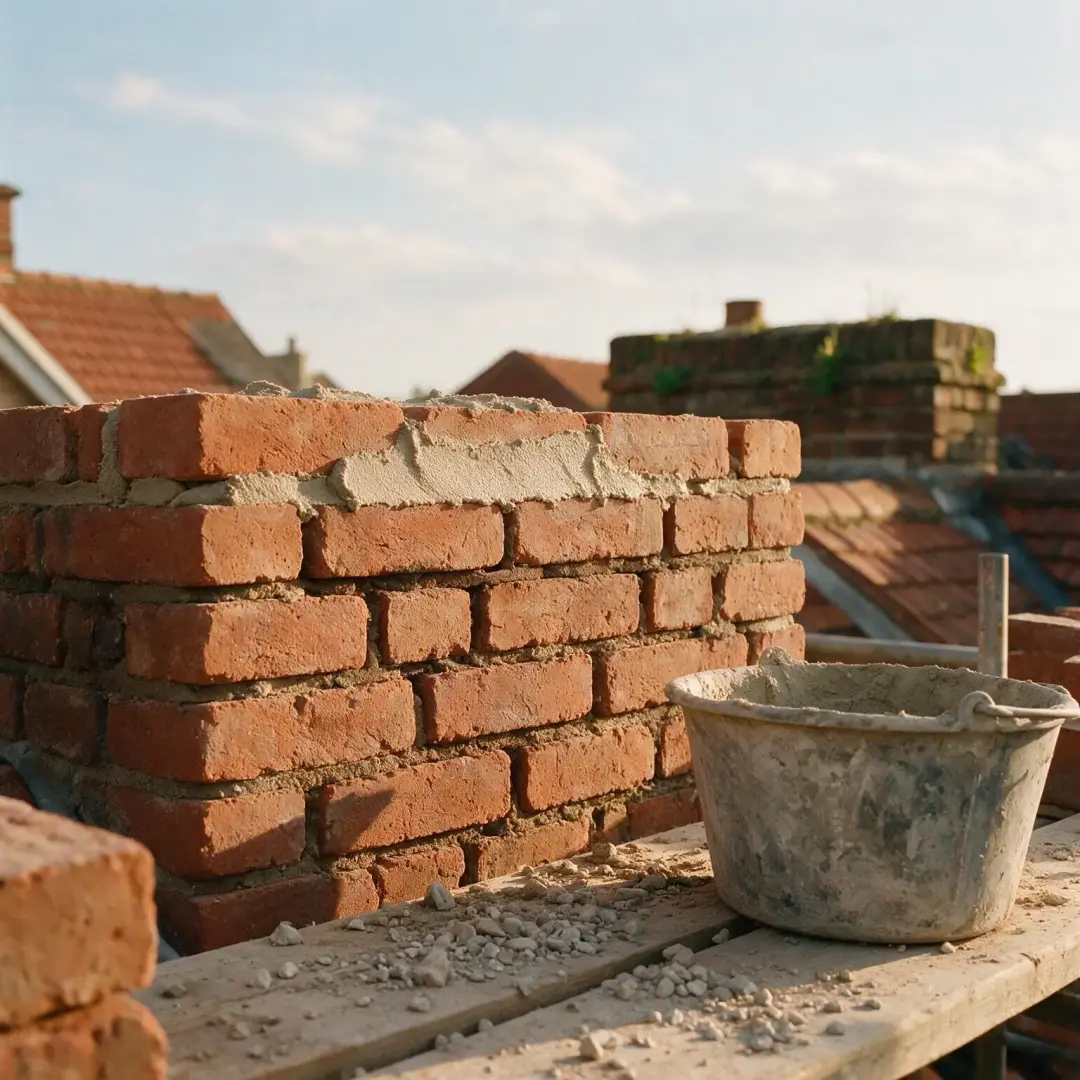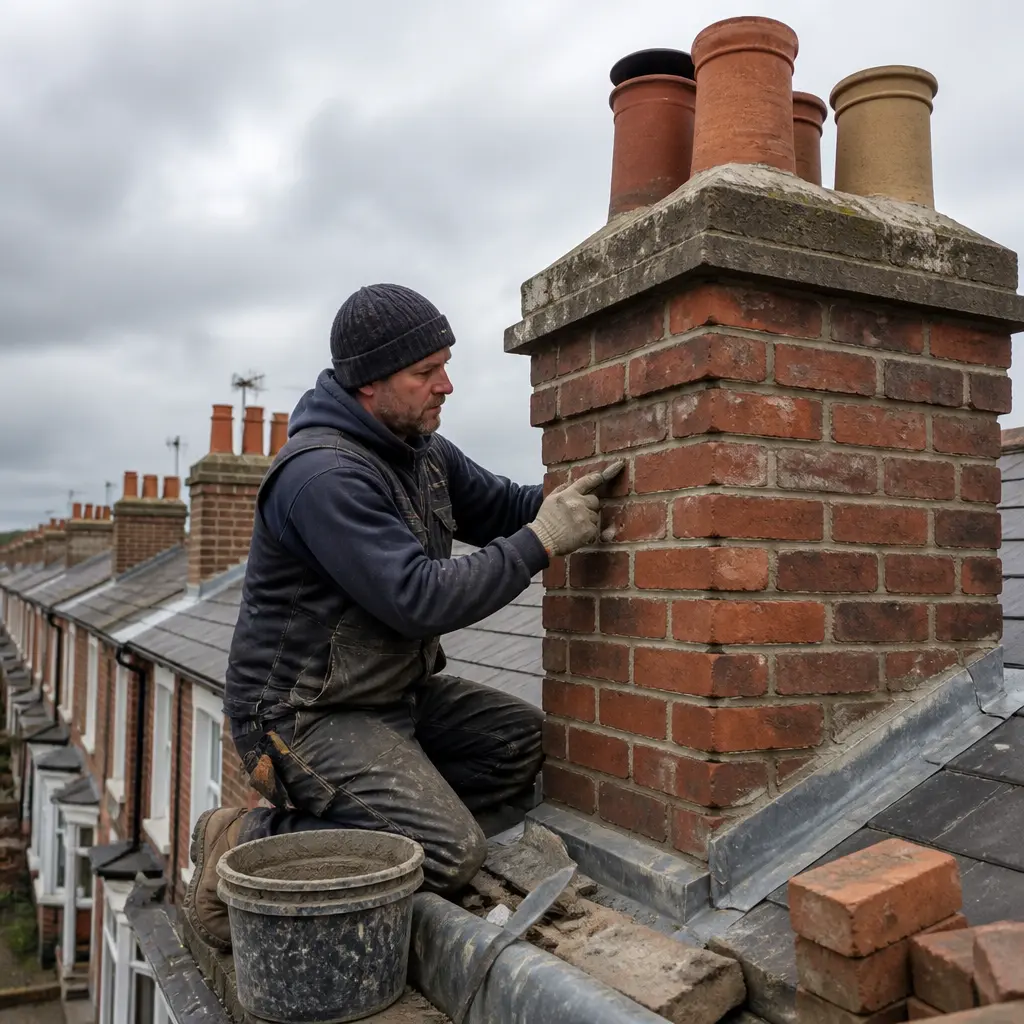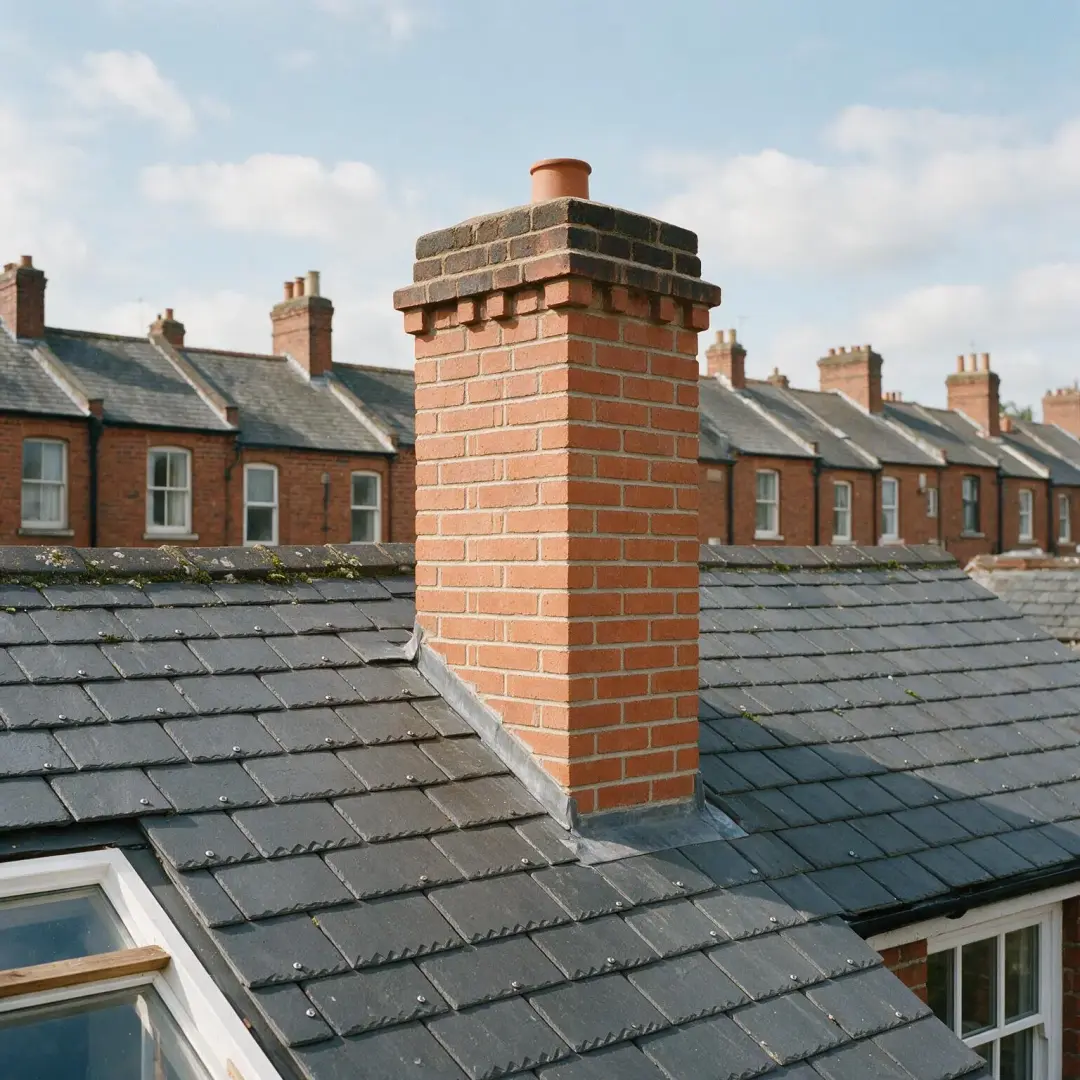
A working chimney should normally be professionally inspected at least once a year. An inspection is also recommended before using a chimney in a newly purchased property, after a chimney fire, following building work or whenever smoke, damp, cracks or unusual smells appear.
Chimneys used heavily may need checks and sweeping more often. The correct schedule depends on the fuel, appliance, chimney condition, frequency of use and any previous faults.
How Often Should a Chimney Be Inspected?
Most domestic chimneys should be inspected once every year. The inspection is best completed before the main heating season so there is time to clear blockages and repair faults before the fireplace or stove is used regularly.
An annual inspection can identify cracked mortar, damaged bricks, failed flashing, loose chimney pots, blocked flues and signs of water entry. It may also show whether soot or creosote has built up inside the flue.
A chimney that is used often may need attention more than once a year. This is especially important for wood and coal-burning appliances, which can produce larger amounts of soot and flammable deposits.
Do not wait for the annual inspection when there are warning signs. Smoke entering a room, a carbon monoxide alarm, falling mortar, new damp patches or visible movement should be investigated promptly.
- Arrange a professional chimney inspection at least once every year
- Inspect a chimney before first use in a newly purchased or rented property
- Arrange another inspection after a chimney fire, storm or building work
- Have a chimney checked when smoke, damp, debris, cracks or strange smells appear
- Wood-burning chimneys may need sweeping several times during periods of regular use
- Fire and rescue services attended 2,019 chimney fires in England in the year ending March 2025
- The figure was 5.5% lower than the 2,136 chimney fires recorded a year earlier
An annual check is a general starting point rather than a fixed schedule for every property. An older chimney used every day will normally need closer attention than a modern lined flue used only a few times each winter. A professional can recommend a suitable inspection and sweeping plan after assessing the installation.
| Situation | Suggested inspection frequency | Reason for the check |
|---|---|---|
| Working domestic chimney | At least once a year | To find deposits, blockages, wear and visible damage |
| Frequently used wood-burning appliance | Annual inspection with more frequent sweeping | Wood can create soot and flammable creosote deposits |
| Chimney that has not been used recently | Before it is used again | Bird nests, debris and hidden deterioration may be present |
| Recently purchased property | Before lighting the first fire | The previous inspection and maintenance history may be unknown |
| After a chimney fire | Immediately and before reuse | Heat may crack a liner, mortar or internal masonry |
| After a severe storm | As soon as damage is suspected | Wind and falling debris can damage pots, cowls and brickwork |
| Visible damp, cracks or smoke leakage | Promptly | The signs may point to a blockage, leak or structural fault |
Is a Chimney Inspection the Same as Chimney Sweeping?
A chimney inspection and chimney sweeping are connected services, but they are not exactly the same.
Sweeping removes soot, creosote, nests and other material from the flue. An inspection looks at the condition and safety of the chimney, appliance and surrounding parts.
A routine sweeping visit will often include basic checks. However, a more detailed inspection may be needed when there is evidence of damage, poor performance or a previous chimney fire.
A full inspection may cover the chimney stack, pots, cowls, flaunching, flashing, fireplace, appliance connection and accessible sections of the flue. A camera may be passed through the chimney when the inside cannot be assessed clearly from either end.
Sweeping alone may not identify a cracked liner or concealed masonry problem. In the same way, an inspection cannot remove deposits that have collected inside the flue. Both services may therefore be required during the same appointment.
How Often Should a Wood-Burning Chimney Be Checked?
A chimney serving a wood-burning stove or open fire should normally be inspected at least once a year. Sweeping may be required much more often when the appliance is used regularly.
The National Association of Chimney Sweeps gives a guide of quarterly sweeping for wood-burning chimneys while they are in use. The exact frequency depends on the appliance, chimney design, amount of use and moisture level of the wood.
Wet or poorly seasoned wood can produce more smoke and deposits. Low-temperature burning and restricted airflow may also increase the amount of creosote inside the chimney.
A professional may suggest a shorter period between visits when deposits build up quickly. The schedule can sometimes be extended when the appliance burns efficiently, dry fuel is used and only small amounts of soot are found.
Even when the chimney is swept several times a year, a wider annual inspection remains useful for finding damage to the external stack and other parts that sweeping does not address.
How Often Should Other Types of Chimney Be Checked?
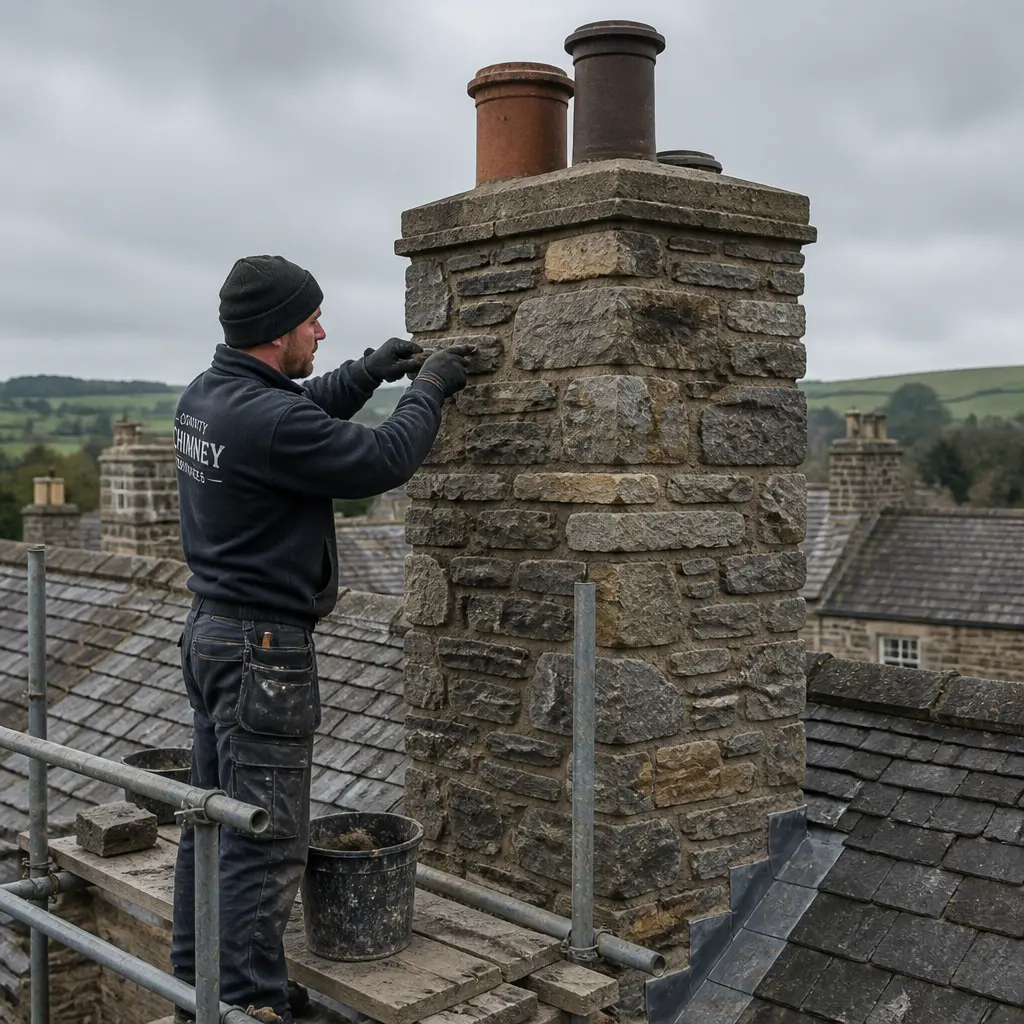
Chimneys serving smokeless fuel, oil and gas appliances should also receive regular attention. A chimney is not free from risk simply because it does not burn wood.
The National Association of Chimney Sweeps recommends sweeping at least once a year for smokeless fuel, oil and gas chimneys. It recommends quarterly sweeping while in use for chimneys burning wood or bituminous coal. These are general guides, and the person inspecting the installation may recommend a different schedule.
Gas and oil appliances can still be affected by blocked terminals, damaged liners, poor ventilation and deterioration. The appliance itself must also be serviced at the intervals stated by its manufacturer.
Where a chimney serves an appliance that is no longer in use, the exposed stack should still be observed for damage. Water can enter through failed mortar, flashing or chimney pots even when no fire is being lit.
When Is the Best Time to Arrange an Inspection?
Late spring, summer and early autumn are usually suitable times to arrange a routine chimney inspection. The chimney has often finished its busiest period, and any repairs can be planned before colder weather returns.
An inspection should ideally take place before the first regular fire of the heating season. This allows time to clear nests, soot and other blockages and to complete repairs to brickwork, flashing or a damaged liner.
Booking early may also make it easier to secure an appointment. Chimney sweeps and repair contractors can become busier when temperatures fall and property owners begin using their appliances again.
Timing should not delay an urgent check. A chimney with smoke leakage, loose masonry, a suspected blockage or a carbon monoxide concern should not remain in use while the owner waits for a preferred season.
West Yorkshire Fire and Rescue Service advises that chimneys and flues should be cleaned and checked during the summer so they are ready before the heating season.
What Does a Chimney Inspector Look For?
A routine inspection begins with the parts that can be seen safely. The professional may examine the fireplace or appliance, flue opening, chimney breast, loft area, stack and roof junction.
External checks may identify crumbling mortar, cracked bricks, leaning masonry, loose pots, damaged cowls and worn flaunching. The flashing around the base of the chimney should also be checked for openings that could allow rainwater to enter.
Inside the flue, the inspector may look for soot, creosote, nesting material, fallen masonry and damage to the liner. The amount and type of deposit can help determine how often the chimney should be swept.
The inspection may also consider airflow and whether combustion gases can leave the property correctly. Smoke staining around the fireplace or appliance can suggest that the chimney is not drawing as it should.
A basic inspection cannot always confirm the condition of every concealed area. A camera survey, smoke test or other detailed assessment may be recommended when a fault is suspected.
When Does a Chimney Need a Camera Inspection?
A camera inspection is useful when the internal flue cannot be assessed properly through a basic visual check. A small camera is passed through the chimney to record hidden sections.
The survey may be recommended when smoke enters a room, a liner is believed to be damaged or debris continues to fall after sweeping. It can also help after a chimney fire or before a new stove or liner is installed.
A camera can reveal cracks, open joints, displaced liners, blockages and sections of fallen masonry. It may also show bends or changes in the flue that could affect a planned installation.
Not every annual inspection requires a camera. A professional should explain why a more detailed survey is needed and which parts of the chimney it will cover.
The recorded images can be useful when comparing future changes or explaining why repair work has been recommended.
Which Signs Mean You Should Not Wait?
Some chimney problems should be investigated before the next planned annual inspection. Stop using the connected appliance when smoke or combustion gases may be entering the property.
Warning signs include smoke spilling into the room, unusual tar-like smells, soot falling into the fireplace, poor burning and a carbon monoxide alarm. A sudden change in how the fire burns can also point to a blockage or airflow problem.
Outside the property, look from ground level for leaning masonry, missing mortar, cracked bricks or a loose chimney pot. Do not climb onto the roof to complete a closer check.
Damp patches on a chimney breast, ceiling or nearby wall may be caused by failed flashing, damaged masonry or condensation inside the flue. Brown staining and peeling decoration can become worse if the source is left untreated.
A roaring sound, sparks, excessive smoke or intense heat around a chimney may indicate a chimney fire. Leave the property, call the emergency services and do not use the chimney again until it has been inspected.
Should an Unused Chimney Still Be Inspected?
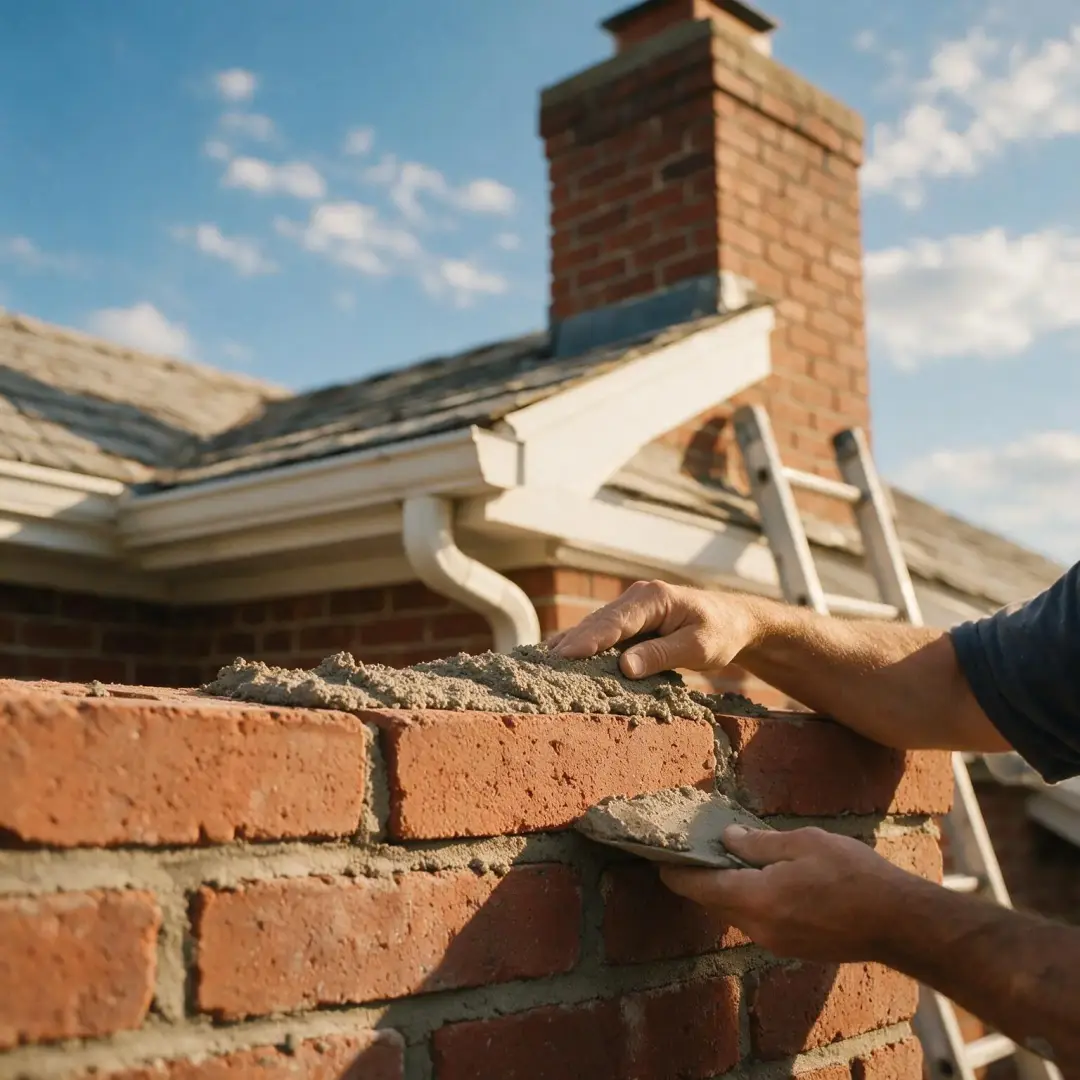
An unused chimney may still need inspection because it remains part of the building. Its external brickwork, mortar, flashing and pots continue to face rain, frost and wind.
Water entering an unused chimney can damage internal plaster, timber and decoration. A blocked or poorly ventilated flue may also hold moisture and create musty smells.
If the fireplace has been sealed, suitable ventilation may be required to reduce condensation. The opening should not be changed without considering how air will move through the remaining chimney.
A chimney that is not in use does not always require the same sweeping frequency as a working flue. However, visible parts should be included in normal property maintenance and checked whenever signs of damp or movement appear.
Arrange a professional inspection before bringing an unused chimney back into service. Its history may be unknown, and it could contain nests, loose masonry or an unsuitable liner.
Does a Chimney Need Inspection After a Fire?
A chimney should be swept and inspected after a chimney fire, even when the outside of the stack appears unchanged.
The high temperature can crack a clay liner, distort a metal liner or weaken mortar between internal masonry sections. These faults may allow heat, smoke or combustion gases to escape into other parts of the property.
The inspection may include a camera survey and checks around the chimney breast, roof space and nearby materials. Repair or liner replacement may be needed before the chimney can be used again.
In the year ending March 2025, fire and rescue services in England attended 2,019 chimney fires. This was 5.5% lower than the 2,136 incidents recorded in the previous year and 61% below the 5,190 recorded ten years earlier.
Although the long-term figure has fallen, more than two thousand incidents in one year show why regular sweeping and inspection remain important.
| Warning sign or event | Possible cause | Suggested action |
|---|---|---|
| Smoke enters the room | Blockage, poor airflow or damaged flue | Stop using the appliance and arrange an inspection |
| Carbon monoxide alarm activates | Combustion gases may not be leaving safely | Leave the affected area and seek urgent professional help |
| Damp appears near the chimney | Failed flashing, cracked masonry or condensation | Arrange checks of the chimney and nearby roof |
| Mortar or brick pieces fall | Deterioration or internal masonry damage | Stop using the chimney until it has been assessed |
| Chimney fire occurs | Ignition of soot or creosote deposits | Arrange sweeping and a detailed inspection before reuse |
| Severe storm or roof impact | Loose pots, damaged flashing or cracked stack | Inspect the chimney promptly from a safe position |
Current Chimney Fire Statistics
Official figures show that fire and rescue services in England attended 2,019 chimney fires in the year ending March 2025. A chimney fire is recorded in this group when flames remain contained within the chimney of a non-industrial building.
The annual total was 117 incidents lower than the previous year's figure of 2,136. It was also 1,125 lower than the 3,144 chimney fires recorded five years earlier.
The latest wider fire statistics available at the time of writing cover the year ending December 2025. Fire and rescue services attended 175,918 fires of all types in England during that period. The total was affected by a hot and dry summer and included a large rise in outdoor fires.
The wider total is not a chimney fire count, but it provides current context for fire service activity. The most recent detailed published chimney figure remains the 2,019 incidents recorded for the year ending March 2025.
Can Regular Inspection Prevent Chimney Fires?
No inspection can remove every possible risk, but regular checks and sweeping can reduce common causes of chimney fires.
Sweeping removes soot and creosote before deposits become excessive. Inspection may identify damage, blockages or appliance problems that could cause poor combustion and faster deposit build-up.
HETAS recommends having a chimney swept at least once a year, with the correct timing depending on the appliance and fuel. Its guidance also notes that regular maintenance can help an appliance operate safely and efficiently.
Property owners can also lower risk by burning suitable dry fuel, following the appliance instructions and maintaining enough airflow. Household rubbish, treated timber and wet wood should not be burned.
A carbon monoxide alarm should be fitted where required and tested regularly. An alarm supports chimney safety, but it does not replace sweeping, servicing or inspection.
Does Home Insurance Require Chimney Inspections?
Insurance terms differ between providers and policies. Some policies may require the property owner to keep fireplaces, stoves and chimneys in good condition and take reasonable steps to prevent damage.
A policy may not state a single inspection interval, but poor maintenance could affect a claim when it contributed to a fire or leak. Read the policy documents or ask the insurer what evidence may be required.
Keep invoices, inspection reports, sweeping certificates and photographs of repairs. These records can show when the chimney was maintained and what work was completed.
A sweeping certificate does not confirm that every concealed part of the chimney is free from damage. Ask what checks were included and whether the sweep noticed anything that requires a separate repair inspection.
Owners of rented properties should also check their maintenance and safety duties. The correct action will depend on the appliance, tenancy and location of the property.
Can You Inspect a Chimney Yourself?
A property owner can look for basic warning signs from a safe position, but this is not a replacement for a professional inspection.
From the ground, check for leaning brickwork, missing mortar, broken pots and visible plant growth. Inside, look for damp, staining, fallen soot and changes in how the fire or stove operates.
Do not climb onto the roof, enter the chimney or attempt to test a suspected blockage by lighting a fire. Roof work creates a serious fall risk, and damaged masonry may move without warning.
A professional has the equipment and training needed to assess the flue and identify faults that cannot be seen from the fireplace. They may also recommend a camera survey or smoke test where required.
Simple household checks are useful between visits, but the annual inspection should be completed by a person with suitable chimney, sweeping or appliance experience.
How Should You Prepare for a Chimney Inspection?
Allow the appliance and chimney to become completely cold before the appointment. Follow any instructions provided by the professional about how long the fire or stove must remain unused.
Remove ornaments and valuable items from the hearth and mantelpiece. Provide a clear route to the fireplace and access to the loft when checks may be required there.
Tell the inspector about smoke, unusual smells, damp, alarms, previous chimney fires and recent building work. Explain how often the appliance is used and which fuel is normally burned.
Provide any available installation records, previous reports and sweeping certificates. This information can help identify changes and confirm the type of liner or appliance fitted.
Ask whether the appointment includes sweeping, an external roof-level check, a camera survey or a written report. Knowing the scope of the visit can prevent misunderstandings.
What Should an Inspection Report Include?
A written report should identify the chimney or flue that was inspected and describe which parts could be accessed.
It should record important findings such as soot deposits, blockages, liner damage, poor joints, water entry or external masonry faults. Photographs may be included when they help explain the condition.
The report should state whether the chimney can remain in use or whether repairs and further tests are required. Any urgent safety concern should be explained clearly.
Ask for a recommended date for the next inspection or sweep. The professional should consider the fuel, frequency of use and amount of material removed rather than relying only on a standard interval.
Keep the report with sweeping certificates, appliance service records and repair documents. A clear maintenance history can help with future work, a property sale or an insurance query.
- Inspection date: The date on which the chimney was checked
- Areas inspected: The fireplace, flue, stack, loft and other accessible sections
- Limitations: Any concealed or inaccessible areas that could not be assessed
- Deposits: The amount and type of soot, creosote or debris found
- Damage: Cracks, failed mortar, liner faults, loose pots or water entry
- Safety advice: Whether the chimney can remain in use
- Recommended work: Sweeping, testing, repairs or a camera survey
- Next visit: The suggested inspection and sweeping interval
Frequently Asked Questions
```Does a Chimney Need to Be Inspected Every Year?
Yes. An annual professional inspection is a sensible minimum for a working domestic chimney. More frequent sweeping or checks may be needed when the chimney is used heavily.
Should a Chimney Be Inspected Before Winter?
Yes. Arrange the visit before regular winter use so there is enough time to clear deposits, remove blockages and complete repairs.
Do I Need an Inspection If the Chimney Was Swept?
A sweep may complete basic checks, but sweeping does not always confirm the condition of the liner, masonry, flashing and other concealed parts. Ask what the appointment includes.
How Often Should a Log Burner Chimney Be Swept?
The frequency depends on use, fuel and chimney condition. Industry guidance may recommend several sweeps during periods of regular wood burning.
Should I Inspect a Chimney That Has Not Been Used?
Arrange an inspection before using it again. An unused flue may contain nests, debris, damaged masonry or a liner that is no longer suitable.
Can a Chimney Be Inspected in Rain?
Internal checks may be possible, but wet, windy or icy conditions can make roof access unsafe. The external inspection may need to be rearranged.
How Long Does a Chimney Inspection Take?
A basic visit may take one or two hours. A larger chimney, several flues, difficult access or a camera survey can increase the time.
What Should I Do After a Chimney Fire?
Do not use the chimney again until it has been professionally swept and inspected. Hidden heat damage may be present even when the outside looks normal.
How Should You Plan Chimney Inspections?
Begin with a professional inspection at least once every year. Where possible, arrange it before the main heating season so that any cleaning or repair work can be completed before regular use.
The annual visit should not be treated as the only time to consider the chimney. Arrange additional checks after a chimney fire, severe storm, long period without use or any change to the fireplace or appliance.
Follow the recommended sweeping schedule for the fuel being burned. A wood-burning chimney used frequently may need sweeping several times during the year, while other fuels may follow a different plan.
Keep all reports and certificates and note any changes in performance between visits. Smoke leakage, damp, falling debris and carbon monoxide warnings require prompt attention.
A planned inspection schedule can help find manageable faults before they cause a fire, leak or more extensive repair.
Is your chimney due for an inspection? Colmore Roofing Contractors can assess the stack, flashing, pots and visible flue before explaining any cleaning or repair work required. Contact the team to arrange a professional chimney service for Birmingham, Dudley and Wolverhampton.