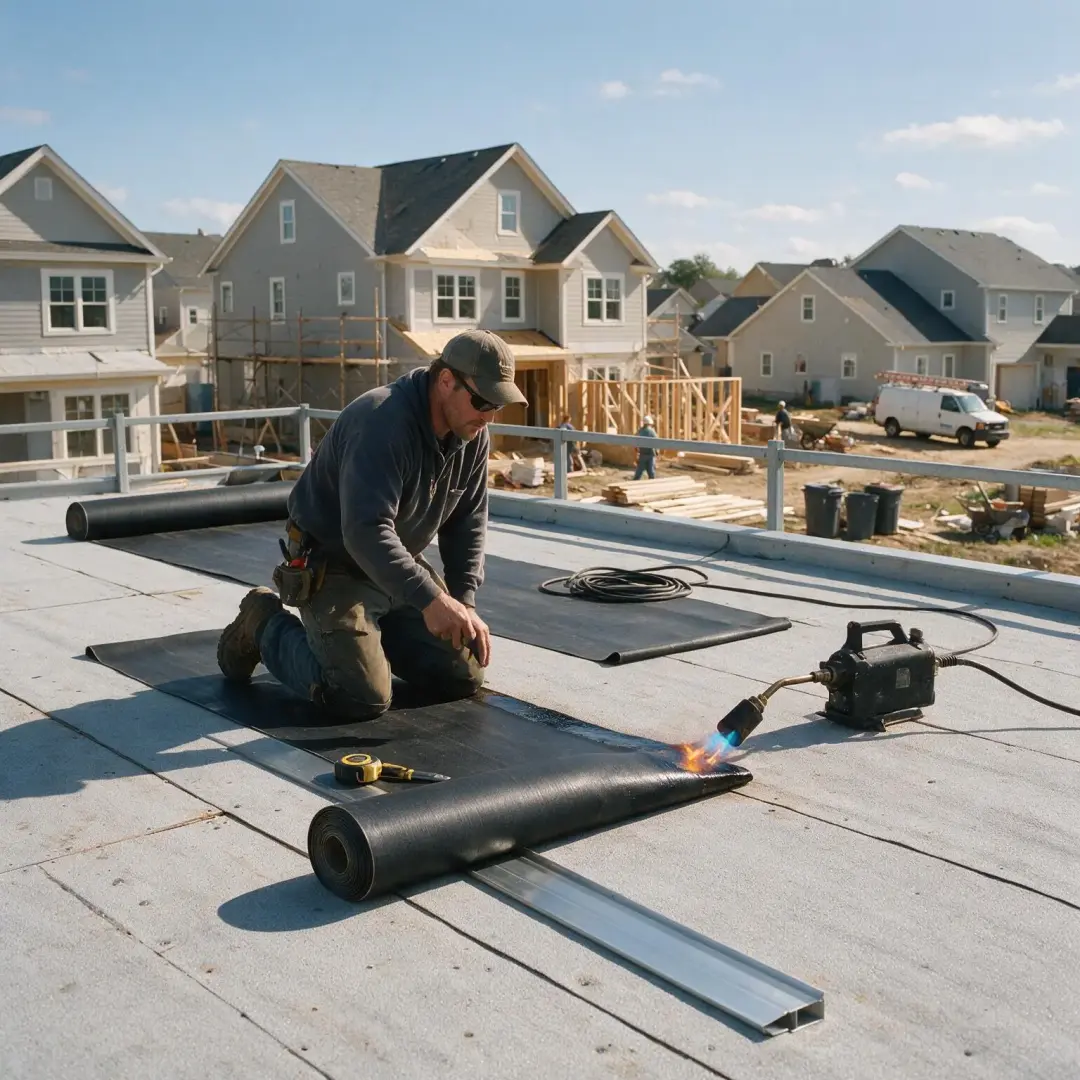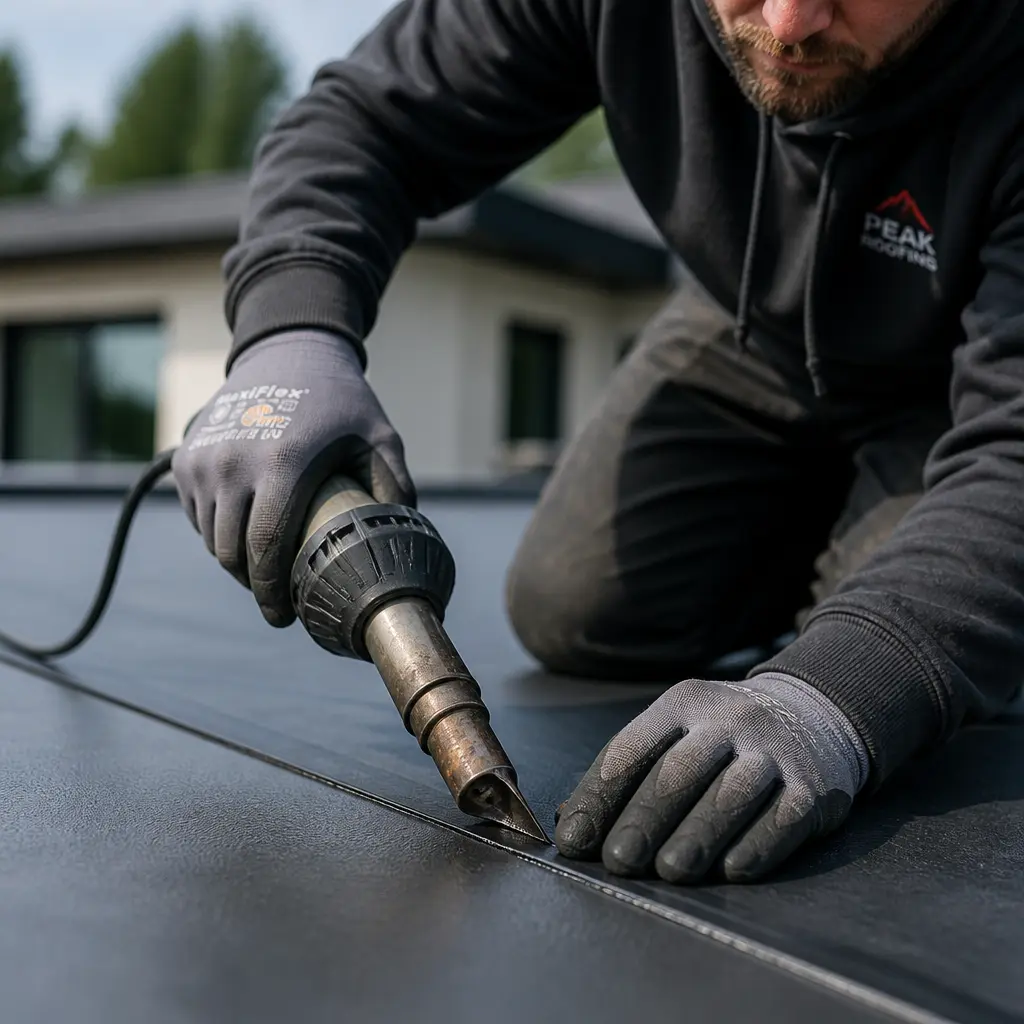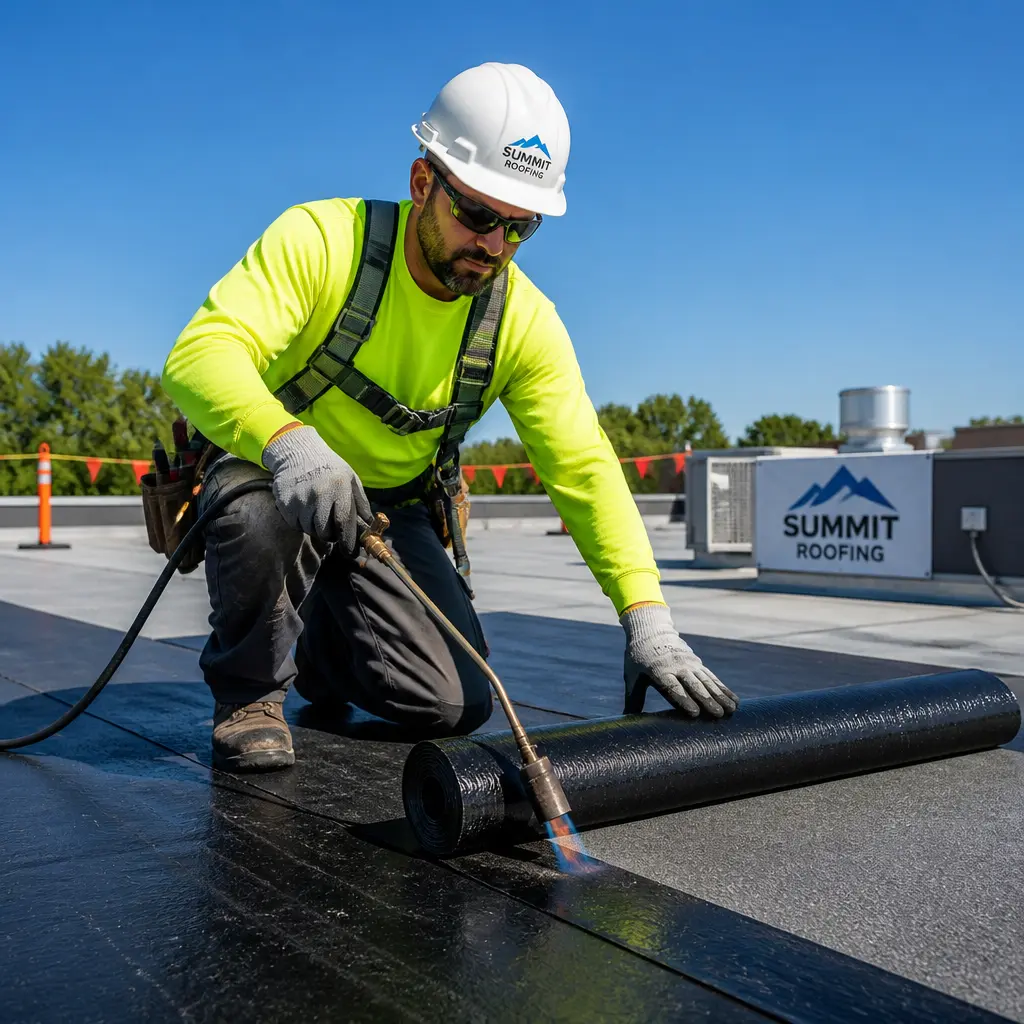
A flat roof should normally be inspected at least twice a year, ideally during spring and autumn. It should also be checked after strong winds, heavy rain, snow, building work or any event that could damage the surface.
Regular inspections can find blocked outlets, standing water, splits and loose details before they lead to serious leaks. The correct schedule will depend on the roof’s age, material, condition, surroundings and level of use.
How Often Should a Flat Roof Be Inspected?
A flat roof should generally receive a visual inspection every six months. Spring and autumn are often suitable times because they allow problems caused by winter weather and summer heat to be found before the next season.
Historic England recommends inspecting flat roof coverings twice a year. This provides a useful starting point for homes, extensions, garages and many commercial buildings.
An inspection may be needed sooner when the roof is old, has a history of leaks or sits below nearby trees. Roofs carrying equipment, roof lights, pipes or regular foot traffic may also require more frequent attention.
The schedule supplied by the roof system manufacturer or guarantee provider should always be followed. Some guarantees require recorded inspections and maintenance to remain valid.
- Arrange a routine inspection at least twice each year
- Check the roof after storms, strong winds, snow or very heavy rain
- Inspect sooner when leaks, stains or unusual smells appear indoors
- Clear leaves and debris from outlets during autumn
- Keep written and photographic records of each professional inspection
- Use a trained person where safe access is not already provided
Six-monthly inspections are a general guide rather than a fixed rule for every building. A new roof in an open location may need less attention than an older roof surrounded by trees, plant equipment or busy access routes.
Why Do Flat Roofs Need Regular Inspections?
A flat roof does not move rainwater away as quickly as a steep roof. It is designed with a slight fall that directs water towards gutters, outlets or internal drains.
Leaves, moss, dirt and loose materials can block these drainage points. Water may then remain on the surface for longer than intended, placing added pressure on joints and weak areas.
Minor damage can also be difficult to see from ground level. A small split, lifted edge or failed seal may allow water beneath the covering before a clear leak appears inside.
Regular inspections help identify these concerns early. A small repair or cleaning visit will often cause less disruption than replacing wet insulation, rotten boards or damaged internal finishes.
When Is the Best Time to Inspect a Flat Roof?
A spring inspection can show whether frost, snow, heavy rain or strong winds have damaged the roof during winter. It also provides time to complete repairs before summer heat places further stress on the covering.
An autumn inspection can remove fallen leaves, check drainage and prepare the roof for wetter weather. This is particularly important where trees stand close to the building.
The roof should be reasonably dry during a close inspection. Water, ice and frost can hide defects and make the surface unsafe.
Some signs are easier to notice while it is raining. Checks from inside the building may reveal damp patches, drips or water running around roof lights. No one should climb onto a wet roof to carry out these checks.
Should a Flat Roof Be Inspected After a Storm?
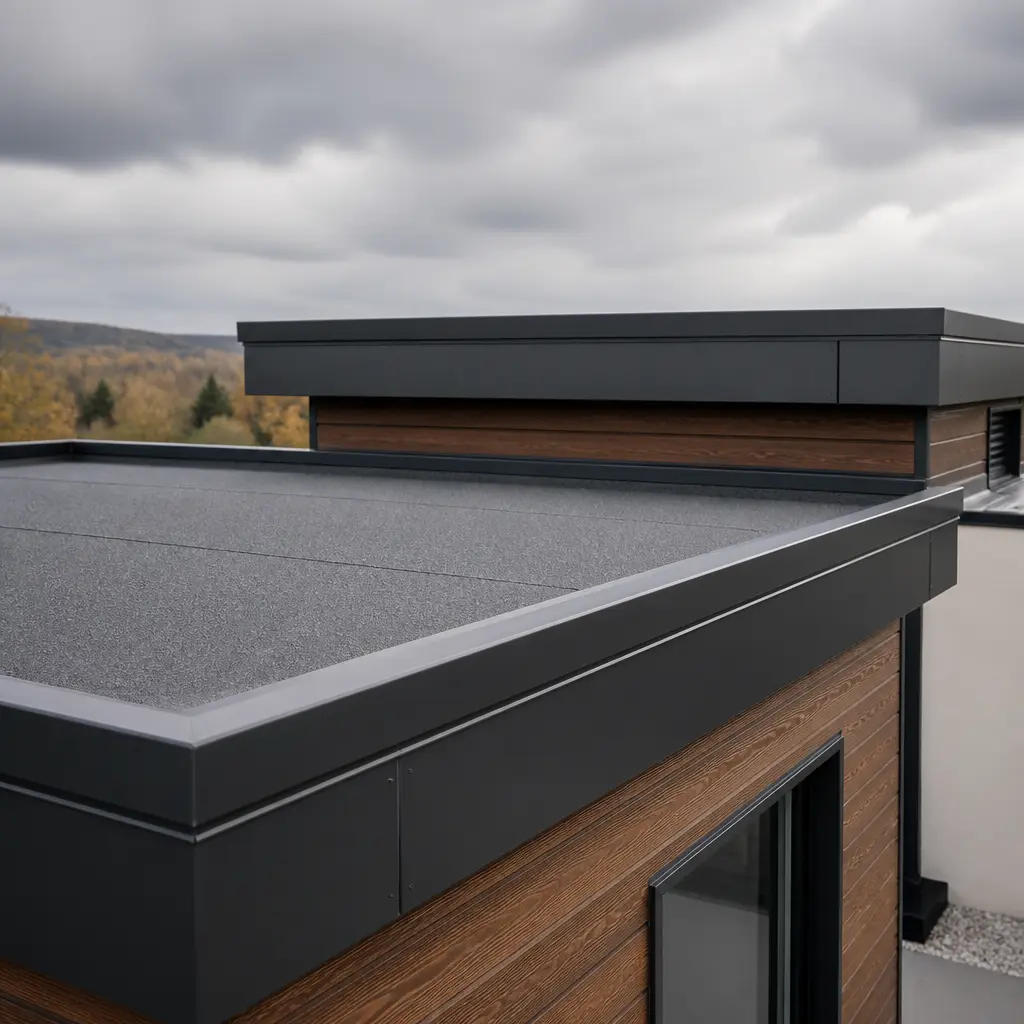
A flat roof should be checked after strong winds, prolonged rain, hail or heavy snowfall. Storms can move trims, damage seals and carry branches or other objects onto the surface.
Wind can lift loose edges or place pressure on areas that were already weak. Heavy rain may also reveal blocked outlets and low points where water collects.
An immediate ground-level or internal check can look for visible debris, overflowing gutters, ceiling stains and damaged edges. A closer roof inspection should be arranged when there is any reason to suspect damage.
It is also sensible to arrange a check after scaffolding, window replacement, solar panel work or other building activity near the roof. Tools, materials and repeated foot traffic can puncture or mark some coverings.
What Should Be Checked During a Flat Roof Inspection?
The inspection should cover the whole waterproof surface as well as its edges, drainage points and connections to other parts of the building.
The person carrying out the check should look for cracks, splits, blisters, punctures, loose joints and areas where the covering has lifted. They should also note unusual ripples, movement or soft sections.
Outlets, gutters and downpipes should be checked for leaves, moss, soil and other blockages. Water marks around an outlet may show that drainage has been slow or restricted.
Wall joints, edge trims, roof lights, vents, pipes and other openings require careful attention. Many leaks begin at these detailed areas rather than in the middle of the roof.
The inspection should also cover the rooms or voids below where access is available.
| Area to inspect | What to look for | Why it matters |
|---|---|---|
| Roof surface | Splits, cracks, blisters and punctures | Damage can allow water beneath the covering |
| Drainage | Leaves, moss, silt and standing water | Blocked drainage can increase leak risk |
| Edges and wall joints | Loose trims, gaps and failed seals | Wind and movement can weaken these areas |
| Roof openings | Damage around lights, pipes and vents | Openings contain several waterproof joints |
| Rooms below | Stains, damp, mould and peeling finishes | Internal signs may reveal hidden water entry |
A visual inspection cannot always confirm the condition of hidden insulation, timber or other materials beneath the surface.
How Often Should Roof Outlets and Gutters Be Checked?
Roof outlets and gutters should be checked during every planned roof inspection. They may need more frequent checks during autumn or when nearby trees drop leaves, seeds and small branches.
A blocked outlet can allow water to spread across a large part of the roof. This may place pressure on seams, wall joints and other weak points.
Water should move freely towards the intended drainage route. A small amount of water may remain for a short time after rain, but large or lasting pools should be investigated.
Protective guards should be present where they form part of the drainage design. However, guards can also collect debris and must still be cleaned.
Overflowing gutters and downpipes can wet walls, windows and foundations, so the inspection should follow the full route taken by rainwater.
Does the Age of the Roof Change the Inspection Schedule?
An older flat roof may need to be inspected more often, particularly when it is approaching the expected end of its service life.
Age alone does not show whether a roof is in poor condition. A correctly installed and maintained roof may continue to perform well, while a newer covering can develop problems following damage or poor workmanship.
More frequent inspections may be sensible when there have been previous leaks, repeated repairs or signs of movement. A professional may recommend checks every three or four months where failure could cause serious damage or disruption.
The inspection should consider the whole system rather than only the visible surface. Wet insulation, weak decking and hidden condensation can remain unseen until further tests or opening work are completed.
Inspection records can show whether defects are becoming more frequent over time.
Do Different Flat Roofing Materials Need Different Checks?
Each flat roofing material can develop different signs of wear. The installer’s maintenance instructions should be used alongside general checks.
Felt systems may show cracks, blisters, lifting joints or worn surface protection. Rubber membranes may be affected by punctures, stretched areas or loose edges.
Fibreglass surfaces should be checked for cracks, impact damage and movement around joints or trims. Liquid-applied roofs may show thinning, peeling or areas where the coating has separated from the surface below.
Metal details can corrode or move, while sealants may shrink, harden or separate as they age.
No material should be tested by pulling, cutting or lifting it during a routine visual check. Further testing should only be completed by a suitable roofing professional.
What Are the Warning Signs That an Inspection Is Needed?
You should not wait for the next planned inspection when there are signs that the roof may be leaking or damaged.
Warning signs inside the building include brown ceiling marks, damp walls, peeling paint, mould growth and a musty smell. Water may travel along boards or supporting timbers, so the visible stain may not sit directly below the damaged area.
Outside signs can include standing water, sagging, loose trims, cracked surfaces, plant growth and overflowing gutters. Pieces of roofing material found on the ground may also suggest storm damage.
A sudden rise in dampness or repeated electrical problems near the ceiling should be treated seriously. Water and electrical systems can create a safety risk.
A professional inspection should be arranged promptly rather than waiting to see whether the problem becomes worse.
- Damp marks on ceilings or walls
- Drips or water entering during rain
- Standing water that remains after dry weather
- Cracks, tears, bubbles or lifted sections
- Blocked or overflowing drainage
- Loose trims, seals or wall joints
- Soft or uneven areas on the roof
- Mould, peeling paint or musty smells below
Can You Inspect a Flat Roof Yourself?
A property owner can complete simple checks from ground level or from inside the building. Binoculars, upper-floor windows and safe viewing points may help identify obvious concerns.
You should not climb onto a flat roof unless suitable access and edge protection are already in place and you are trained to use them. A roof may be slippery, fragile or unable to support a person in every area.
Roof lights can also be fragile and may not be designed to take any weight. They can be difficult to see when dirty, covered by snow or similar in colour to the roof.
Falls from height remained the most common type of fatal workplace accident in Great Britain during 2025 to 2026, accounting for around one-quarter of worker deaths.
Where close access is required, use a suitable professional with the correct safety equipment.
What Is Included in a Professional Flat Roof Inspection?
A professional inspection usually starts with a review of the visible roof surface, drainage and detailed areas. The inspector may also check the spaces below and ask about previous leaks, repairs or alterations.
The written report should identify defects, explain their likely importance and state whether immediate work is needed. Photographs can help property owners understand the location and size of each concern.
A basic visual check cannot always confirm whether insulation or decking is wet. Moisture testing, thermal equipment or small opening works may be recommended where hidden damage is suspected.
The report should separate urgent repairs from routine maintenance and longer-term planning. It should also explain any areas that could not be inspected because of access, safety or fixed equipment.
A quotation for repairs should be clearly separated from the inspection findings.
How Often Should Commercial Flat Roofs Be Inspected?
Commercial flat roofs should normally be inspected at least twice a year and after severe weather. Some sites may require quarterly or monthly visual checks because of their size, use or level of risk.
Roofs containing heating equipment, ventilation systems, solar panels or communication equipment may receive regular visits from several contractors. This increases the risk of dropped tools, punctures and blocked drainage.
Buildings containing valuable stock, electrical equipment or essential services may also need a more detailed maintenance plan. The possible cost of a leak should be considered when setting the inspection frequency.
A named person should be responsible for arranging checks, keeping records and confirming that repairs have been completed.
Access to the roof should be controlled so that unauthorised people do not damage the covering or place themselves at risk.
How Often Should a Flat Roof on a House Be Inspected?
A domestic flat roof should usually be checked in spring and autumn. This applies to flat roofs over extensions, garages, porches, balconies and converted rooms.
The checks may need to be more frequent when the roof is difficult to see, sits below trees or connects to several walls and roof sections.
Homeowners should inspect the ceiling and walls below after long periods of rain. Early stains, bubbling paint or damp smells may appear before water begins to drip.
A roof over a heated room may require checks for condensation as well as rainwater leaks. Moisture can form within the roof when insulation, ventilation or moisture control layers are not working correctly.
A roofing professional can help identify whether moisture is entering from outside or forming within the construction.
Should a New Flat Roof Be Inspected?
A new flat roof should still be inspected. A check after installation can confirm that the surface is complete, drainage is working and no damage occurred during the final stages of the project.
The installer should provide maintenance guidance, product information and guarantee terms. These documents may state how often the roof must be checked and who is allowed to complete repairs.
The roof should then enter a normal inspection schedule rather than being ignored until a leak appears.
New roofs can be damaged by later building work, falling objects or unauthorised access. Drainage can also become blocked at any age.
Property owners should keep the final invoice, photographs, inspection records and details of any repairs. These documents may support a future guarantee claim and help new owners understand the roof’s history.
Current Construction and Safety Statistics
Office for National Statistics figures show that construction output in Great Britain grew by 1.6% in the three months to May 2026.
Repair and maintenance output grew by 2.1% during the same three-month period. Non-housing repair and maintenance increased by 3.0%.
These figures cover the wider construction industry rather than flat roof inspections alone. However, they show the continuing level of work being carried out to maintain and repair existing buildings.
Health and Safety Executive figures for 2025 to 2026 show that falls from height accounted for around one-quarter of fatal injuries to workers. This supports the need for suitable access, training and safety controls during roof inspections.
Property owners should avoid unsafe access even when a roof appears low or easy to reach.
What Happens If a Flat Roof Is Not Inspected?
A roof problem may continue to grow without producing an immediate indoor leak. Water can enter the covering and remain within insulation or timber for some time.
Wet insulation may become less effective, while timber boards can weaken or rot. Moisture may also damage ceilings, walls, decorations and electrical fittings below.
Blocked drainage can allow repeated standing water. In cold weather, freezing and thawing may place further stress on damaged areas.
Late repairs can require larger sections of the roof to be opened or replaced. The rooms below may also need drying, cleaning and redecoration.
Missing inspections could affect a roof guarantee where routine checks form part of its terms. Insurers may also ask how the building has been maintained when considering a claim.
Can Regular Inspections Extend the Life of a Flat Roof?
Inspections do not prevent every form of wear, but they can help a flat roof reach its expected service life.
Removing debris, keeping outlets clear and repairing small defects can reduce the amount of water entering the roof system. This may protect the covering, insulation and deck from avoidable damage.
Inspection records can also show patterns. For example, repeated standing water in one area may point to a drainage or structural concern rather than a one-off blockage.
Maintenance must be suitable for the roof material. General repair products should not be applied without checking that they are compatible with the existing covering.
A poor repair can trap moisture, damage the surface or make later work more difficult. Professional advice is particularly important when defects keep returning.
What Should Be Included in an Inspection Record?
A written record should state the inspection date, weather conditions and name of the person completing the check.
It should list the areas inspected, any defects found and the work recommended. Clear photographs should show the general roof condition as well as close views of damaged sections.
The record should also note blocked access, fixed equipment or other areas that could not be checked. This prevents an incomplete inspection from being mistaken for a full assessment.
When repairs are completed, the date, contractor, materials and guarantee details should be added to the file.
Keeping this information in one place makes it easier to track changes and plan future work. It may also help during property sales, surveys, insurance claims and guarantee discussions.
Frequently Asked Questions
```Is One Flat Roof Inspection a Year Enough?
One annual inspection may be suitable in some cases, but twice-yearly checks provide better protection against seasonal damage. An inspection should also be arranged after severe weather or when warning signs appear.
Should a Flat Roof Be Inspected in Winter?
A winter inspection may be needed after a storm, snowfall or leak. However, close access should be avoided when the roof is wet, icy or covered with snow. Safe ground-level and internal checks can still be completed.
How Long Does a Flat Roof Inspection Take?
A small and simple roof may take less than an hour to inspect. Larger roofs, difficult access and detailed testing can increase the time required.
Does Standing Water Mean the Roof Is Leaking?
Standing water does not always mean that a leak is present, but it can show poor drainage or movement in the roof. Water that remains for a long period should be investigated.
Can a Drone Be Used to Inspect a Flat Roof?
A drone can provide useful images of areas that are difficult to reach. However, it may not reveal soft sections, small openings or hidden moisture. It should form part of the inspection rather than replace every close check.
Should Solar Panels Be Included in the Inspection?
Yes. The covering around supports, cables and access routes should be checked. Leaves and debris can also collect around panels and affect drainage.
Who Should Inspect a Flat Roof?
Simple checks can be completed from a safe position by the property owner. Close inspections should be carried out by a trained person who understands the roofing material and safe access requirements.
How Can You Create a Flat Roof Inspection Schedule?
Begin with planned professional checks in spring and autumn. Add extra visits after storms, snow, heavy rain or nearby building work.
Consider the roof’s age, material, previous repairs and surroundings. A roof below mature trees may need regular drainage checks during the months when leaves are falling.
Commercial property managers should include roof checks within the wider building maintenance plan. Inspection dates, repair deadlines and responsible people should be recorded clearly.
Review the schedule when the roof condition changes. Repeated defects may mean that inspections need to become more frequent or that larger repair work should be planned.
The manufacturer’s instructions and guarantee conditions should take priority where they set a particular schedule. A roofing professional can help prepare a suitable plan where these details are unavailable.
Is your flat roof due for an inspection? Colmore Roofing Contractors can assess the roof covering, drainage, edges and detailed areas before explaining any maintenance or repair work required. Contact the team to arrange a professional flat roof inspection in Birmingham, Dudley or Wolverhampton.