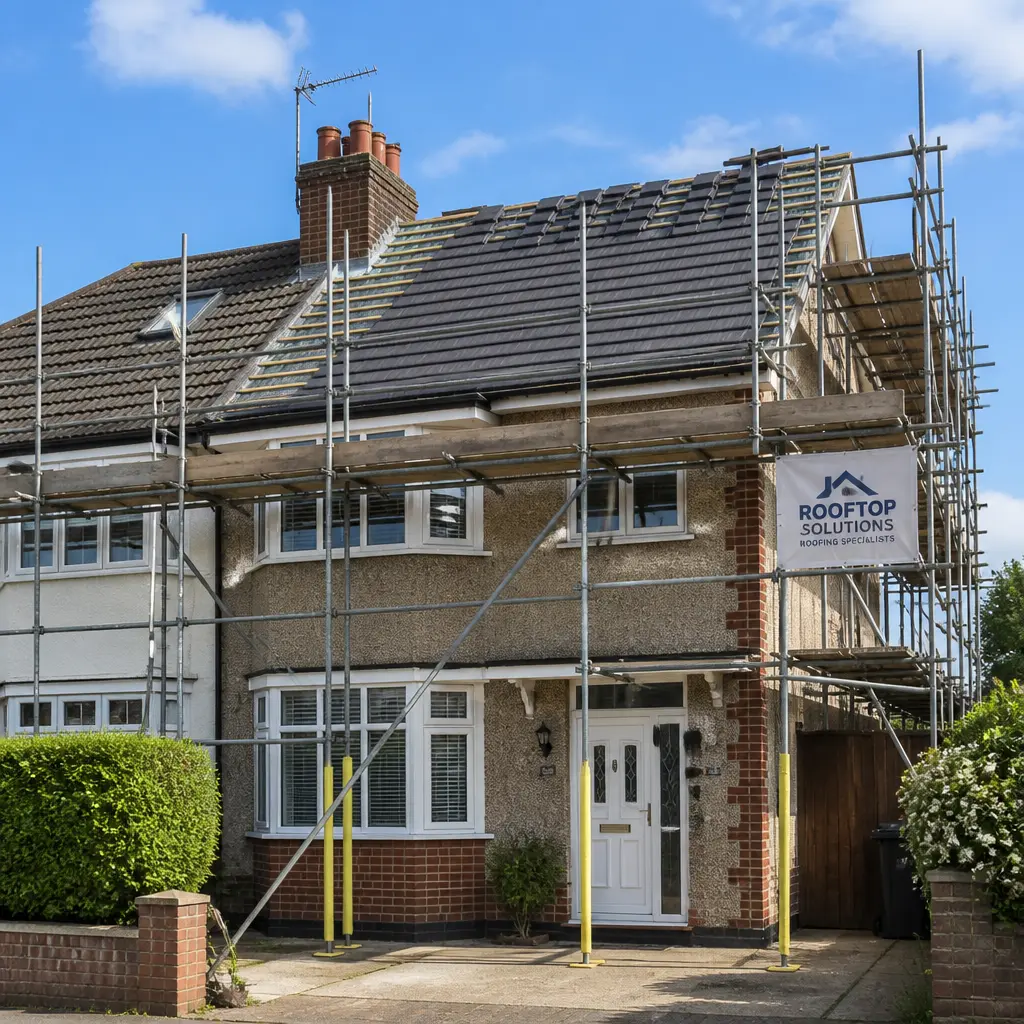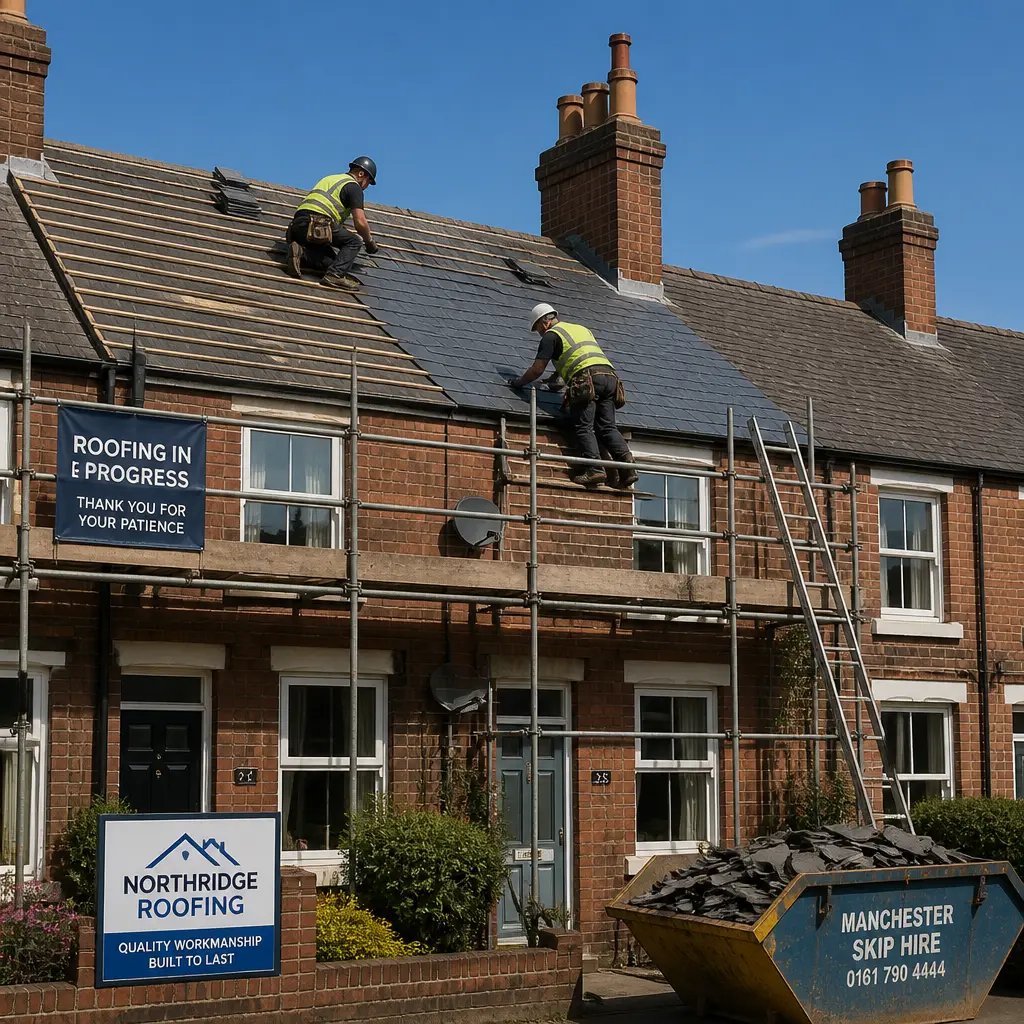
Are you asking: how long does a roof replacement take? A straightforward replacement on an average house may take around three to seven working days once work begins. A small garage or simple flat roof may take one to three days, while a large, complex or badly damaged roof can take two weeks or longer.
The full process is usually longer than the time spent installing the roof. Surveys, quotations, material orders, scaffolding, building control checks and suitable weather may add several weeks before or after the main roofing work.
How Long Does a Roof Replacement Usually Take?
For many homes, the physical roof replacement takes between three and seven working days. This estimate often suits a standard pitched roof with good access, common tiles and no major structural damage.
A small and simple roof may be completed more quickly. A garage roof, porch roof or modest flat roof could take one to three days. A larger detached house, complicated roof shape or property with several valleys, chimneys and roof windows may require seven to fourteen working days.
These times normally begin after the scaffolding has been erected and materials have arrived. They do not always include the survey, quotation, waiting period, approvals, scaffold removal or final paperwork.
The contractor should give you an expected working period and explain which events could extend it. A realistic schedule should allow time for safe removal, inspection, repairs, installation, weather protection and cleaning.
It is better to receive a careful estimate than a promise that leaves no room for weather, hidden damage or supply problems.
- Small garage, porch or simple flat roof: Around one to three working days
- Average terraced or semi-detached house: Around three to seven working days
- Large detached or complex pitched roof: Around seven to fourteen working days
- Major structural repairs or specialist materials: Two weeks or longer
- Scaffolding: Often installed before the roofing team starts and removed later
- Weather delays: Rain, frost, snow and strong winds may stop exposed work
- Hidden damage: Rotten battens, wet insulation or damaged timbers can add time
- Approvals: Some roof replacements require building regulations approval
These ranges are planning guides rather than guarantees. Two roofs of a similar size can require different working periods because of access, pitch, design and condition. Ask the contractor to separate the estimated installation time from the wider project schedule. This will show how long the roof should be open, when scaffolding is expected and when the final inspection and documents should be completed.
| Roof replacement project | Typical working time | Possible reasons for a longer project |
|---|---|---|
| Small flat garage roof | One to three days | Wet decking, poor drainage or difficult access |
| Terraced house pitched roof | Three to five days | Shared details, restricted access or chimney work |
| Semi-detached house pitched roof | Four to seven days | Complex junctions, timber repairs or insulation upgrades |
| Large detached house | Seven to fourteen days | Several roof slopes, valleys, dormers or roof windows |
| Natural slate or specialist covering | Seven days to several weeks | Careful setting out, skilled labour or limited material supply |
| Roof with structural damage | Two weeks or longer | Engineering advice, timber replacement and inspection stages |
What Is Included in the Roof Replacement Timeline?
The roof replacement timeline includes more than removing old tiles and fitting new ones. The contractor should first inspect the roof, loft and visible structural parts. They can then prepare a quotation and order suitable materials.
Scaffolding is normally arranged before the roofing team starts. Materials and a waste container may arrive at a similar time. Access must remain clear so that old coverings can be removed and new materials can be lifted safely.
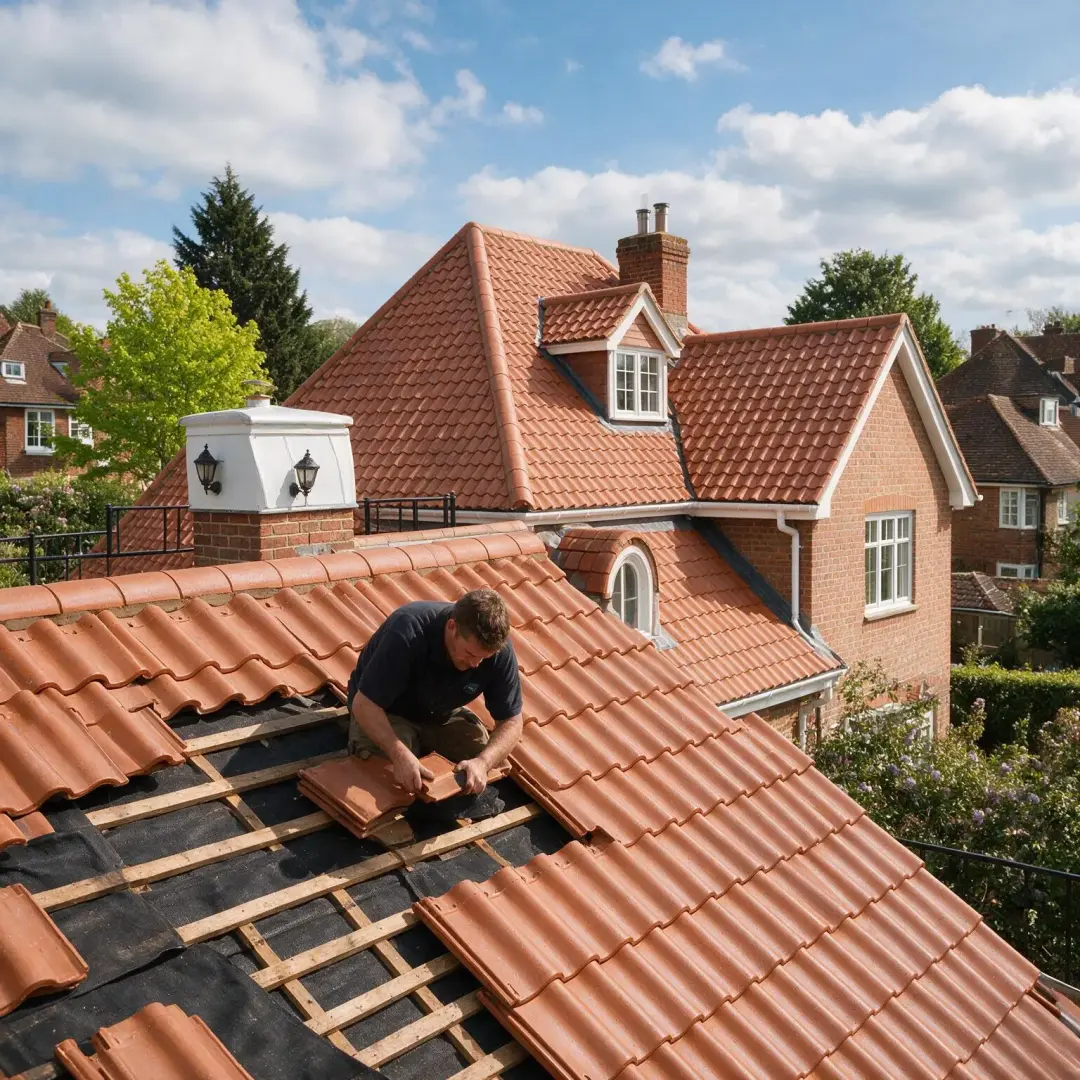
During the main work, the team will remove the old covering, check the roof deck or timbers, repair damaged areas and install the new roof system. This may include underlay, battens, tiles or slates, flashing, ventilation, insulation and rainwater goods.
The roof should be left weatherproof at the end of each working day. Once installation is complete, the contractor should inspect the work, clear waste and provide any guarantee or compliance documents.
Scaffolding may remain for several days after the roof is finished. This does not always mean the roofing work is incomplete. It may be waiting for collection or a final inspection.
How Does Roof Size Affect the Working Period?
A larger roof normally takes longer because there is more covering to remove, inspect and replace. However, total floor area does not tell the full story.
A large roof with two simple slopes can sometimes be completed faster than a smaller roof with several dormers, valleys, hips and awkward junctions. Each detail requires measuring, cutting, fixing and weatherproofing.
Terraced homes may have smaller roof areas, but limited access can slow material movement and waste removal. A detached home may offer easier access while still requiring more labour because of its size.
The contractor should measure each roof slope and identify all details before giving a time estimate. A quotation based only on the number of bedrooms may be less reliable.
Ask whether the estimate covers the main roof only or also includes extensions, porches, dormers, garages and bay windows. Leaving these areas out can create confusion about the final schedule and price.
Which Roof Designs Take Longer to Replace?
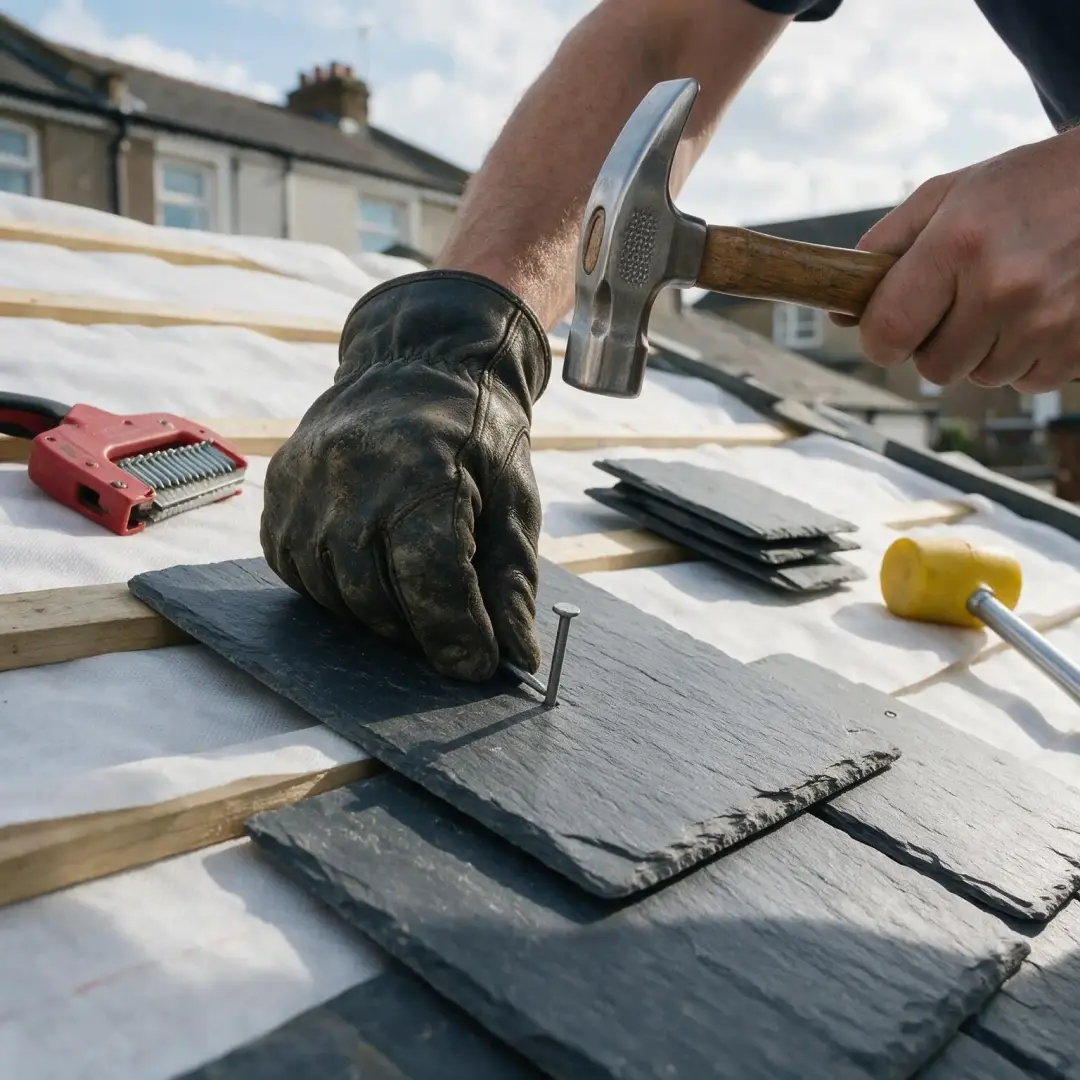
Simple pitched roofs are normally quicker to replace than roofs with many changes in direction. Valleys, hips, dormers, parapets, roof windows and chimneys all create extra joints that must be finished carefully.
A steep roof may require additional safety equipment and slower movement. A very low roof pitch may need a different covering or fixing method to provide suitable weather protection.
Properties joined to neighbouring buildings can also require careful work at party walls and shared roof lines. The contractor may need to match existing details or protect the adjoining property while work is completed.
Solar panels, aerials and satellite equipment may have to be removed and refitted by suitable installers. This can add separate appointments to the schedule.
A roof with several extensions may be completed in stages. The team might finish and weatherproof one section before opening another. This can make the project appear slower, but it may reduce the amount of the property exposed at one time.
How Do Roofing Materials Change the Timescale?
Common concrete or clay tiles can often be installed efficiently when they are in stock and the roof design is straightforward. Natural slate usually requires more careful sorting, setting out and fixing.
Large-format tiles may cover an area quickly, but the roof must be suitable for their size, weight and minimum pitch. Small tiles or decorative patterns normally require more individual pieces and therefore more labour.
Flat-roof systems also vary. Some membranes can be fitted quickly on a dry and sound deck. A built-up system may need several layers, drying periods or specialist finishing. Replacing damaged decking or creating new falls will extend the work.
Special colours, reclaimed materials and made-to-order parts can add a waiting period before installation begins. Delivery delays may also affect ridges, vents, roof windows and matching accessories.
Ask the contractor to confirm that the main materials and important fittings are available before the roof is opened. A clear ordering plan lowers the risk of the property waiting for a missing component.
Can Bad Weather Delay a Roof Replacement?
Yes. Roof replacement is exposed work, so rain, snow, ice and strong winds can affect safety and quality. A contractor may pause work rather than remove a large area that cannot be protected properly.
Light rain does not always stop every task. Some preparation, cutting or work beneath secure protection may continue. Heavy rain can prevent underlay, membranes, adhesives or timber from being installed to the required standard.
Strong winds can make handling tiles, sheets and scaffold materials dangerous. Frost and ice can also create unsafe surfaces and affect some roofing products.
The schedule should include a plan for temporary covering and daily weather checks. The team should open only the area that can be made secure before conditions change.
Recent English Housing Survey findings show why dependable weather protection matters. In 2024, households in 4.2 million dwellings reported new internal moisture damage following a storm during the previous twelve months. Homes with roof disrepair were more than twice as likely to report this damage as homes without roof disrepair.
What Happens If Hidden Damage Is Found?
The full condition of a roof is not always visible before the old covering is removed. Water may have damaged battens, decking, insulation or structural timber beneath the surface.
Minor timber repairs may add only a few hours. Wider decay, movement or signs of insect damage can require several extra days and may need advice from a structural professional.
The contractor should photograph hidden defects and explain the proposed repair before carrying out work that changes the agreed price. The quotation should state how unexpected timber repairs will be charged.
Replacing wet insulation or a damaged ceiling may involve other trades and could continue after the external roof is weatherproof. These internal works should be listed separately so that you know when each part of the property will be usable.
Do not ask the team to cover serious defects simply to meet the original completion date. A roof replacement should correct the cause and provide a safe supporting structure, not hide damage beneath new materials.
How Long Does Scaffolding Add to the Project?
Scaffolding is often installed before the roofing work begins and removed after the final checks. The scaffold booking can therefore make the full project longer than the number of roofing days.
For a standard house, installation may take part of a day or a full day. Larger or more difficult properties may require longer. Extra features such as temporary roof coverings, pavement licences or access over neighbouring land can add planning time.
The scaffold may remain after the roof is complete while the contractor checks flashing, gutters, pointing or finishing details. It then depends on the scaffold company’s collection schedule.
Ask for separate expected dates for scaffold erection, roofing work and scaffold removal. This is especially important when access, parking, windows or gardens will be affected.
Never remove, move or climb the scaffold yourself. Roof work must be planned and carried out safely. Current Health and Safety Executive guidance states that almost one in five deaths in construction work involve roof work.
Will You Need to Move Out During Roof Replacement?
Most homeowners can remain in the property during a standard roof replacement. The building should stay weatherproof, and the main work takes place outside.
However, the project will create noise, vibration, dust and regular movement around the building. Work may begin early, and access to a driveway, garden or loft can be limited.
Leaving the property for part of the day may be easier for young children, pets, people who work from home or anyone who is sensitive to noise. Pets should be kept safely away from open doors, scaffolding and falling debris.
Temporary accommodation may be advised when the structure is unsafe, ceilings are being removed, asbestos is present or the property cannot be kept secure and weatherproof. The contractor should explain this before work starts where possible.
Ask which rooms may be affected and whether loft contents must be removed. Cover belongings because small amounts of dust may fall through gaps during the work.
Can Insulation and Ventilation Add Time?
Roof replacement provides an opportunity to inspect insulation and ventilation. Adding or upgrading these parts can extend the project, but it may prevent the need to disturb the new roof later.
The contractor must consider how the full roof system manages heat and moisture. Insulation should not block ventilation paths or create a condensation risk.
In 2024, 1.4 million homes in England had a damp problem recorded by a surveyor. This figure covered serious penetrating damp, rising damp or extensive mould rather than minor marks.
Roof leaks are not the only cause of damp, but damaged coverings, poor ventilation and wet insulation should be investigated during replacement. The team may need extra time to remove saturated material, allow areas to dry or fit ventilation products.
Ask whether insulation and ventilation work is included in the quotation. The answer should identify the planned materials, thickness, ventilation method and any inspection needed before the roof is closed.
Do Building Regulations Affect the Start Date?
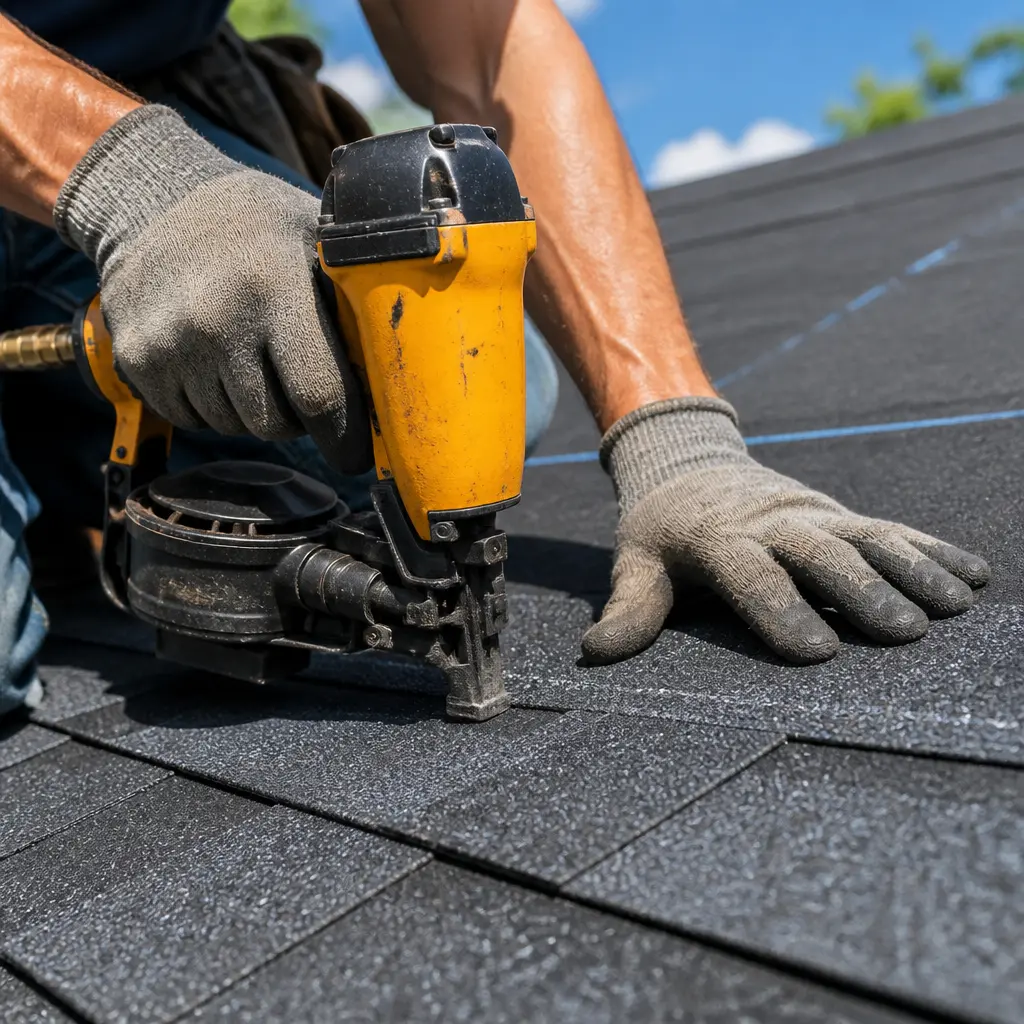
Some roof replacement work in England requires building regulations approval. Government guidance lists replacement coverings on pitched and flat roofs among the projects that may need approval.
Planning Portal guidance states that an application is not normally needed when less than 50% of the roof and less than 25% of the building envelope are affected. Approval may be needed when those limits are exceeded, when structural changes are made, when the new covering changes fire performance or when its weight increases by 15% or more.
The exact route will depend on the work. A contractor registered with an authorised competent person scheme may be able to notify compliant replacement roof-covering work. Otherwise, the owner may need to use a building control body.
Approval and inspections can affect the start date and the order of work. They should be arranged before the roof is opened.
Planning permission is separate. Listed buildings, conservation areas and changes to roof height or shape may have additional requirements. Rules differ across the United Kingdom, so this guidance is focused on England.
| Question to ask | Why it matters |
|---|---|
| How many working days do you expect? | This separates installation time from the wider booking period |
| When will scaffolding be installed and removed? | Scaffolding can affect access before and after roofing work |
| Are all main materials in stock? | Missing parts can stop progress after the old covering is removed |
| How will the roof be protected overnight? | The property should remain secure and weatherproof |
| What happens if hidden damage is found? | A clear process limits delays and unexpected costs |
| Who arranges building control? | Missing approval can delay work and future property sales |
How Can You Help the Project Stay on Schedule?
Clear preparation can reduce avoidable delays. Move vehicles away from the scaffold and delivery area. Remove fragile items from walls and shelves because roofing work may cause vibration.
Clear the loft where possible and cover anything that remains. Give the contractor access to electricity, water or the loft if these are included in the agreed arrangements.
Tell neighbours when work is due to begin, especially when scaffolding, parking or shared access may affect them. Check whether gates, alarms or pets need special arrangements.
Make decisions about tiles, colours, roof windows, insulation and gutters before materials are ordered. Late changes may cause new deliveries and extra labour.
Keep one contact person for questions and approvals. When hidden damage is found, a quick and informed decision can prevent the site from remaining open longer than necessary.
You should not pressure the team to work during unsafe weather or skip required inspections. The aim is to remove avoidable delays without reducing safety or the quality of the roof.
What Can Cause a Roof Replacement to Overrun?
A project may overrun because of severe weather, hidden damage, delayed materials, staff illness, scaffold changes or additional work requested by the owner.
Problems are more likely when the survey was limited or the quotation does not explain assumptions. For example, a price may include a small allowance for timber repairs but not full rafter replacement.
Delivery dates should be checked for special tiles, slates, roof windows and made-to-order metalwork. Standard materials are often easier to replace quickly if pieces arrive damaged.
A responsible contractor should tell you promptly when the schedule changes. They should explain the cause, what has been completed, how the roof is protected and the revised working plan.
Keep changes in writing. This should include extra cost, added time and any effect on guarantees or approvals. Clear records make it easier to distinguish necessary changes from work that was already included in the original quotation.
- Allow three to seven working days: This is a useful guide for many average house roofs
- Plan for longer on complex roofs: Dormers, valleys, chimneys and roof windows add detail
- Separate roofing time from project time: Surveys, orders and scaffolding extend the full schedule
- Expect possible weather delays: Safe, dry conditions are needed for many stages
- Prepare for hidden repairs: Timbers, decking and insulation cannot always be checked in advance
- Confirm material availability: Specialist products may have longer delivery periods
- Check approval early: Building regulations or planning controls may affect the start date
- Get the schedule in writing: Include scaffold dates, working days and the process for delays
How Should You Compare Contractor Timescales?
Do not choose a contractor only because they promise the fastest finish. A very short estimate may leave little time for careful removal, inspection, repairs and finishing.
Compare the proposed team size, daily working hours, roof area and included tasks. One quotation may cover scaffolding, gutters and insulation, while another includes only the main covering.
Ask when the contractor can start and how many days they expect to work on site. These are different questions. A company may have a long waiting list but complete the roof efficiently once work begins.
Check how weather delays are handled and whether the team moves to another project during an interruption. Ask who will supervise the work and provide updates.
A clear schedule should still allow for reasonable changes. The most useful quotation explains the likely duration, important assumptions and process for extra work rather than giving an unsupported fixed date.
Frequently Asked Questions
Can a Roof Be Replaced in One Day?
A very small and simple roof may be replaced in one day, but most house roofs take longer. The old covering must be removed safely, hidden parts inspected and the new system installed correctly.
How Long Does It Take to Replace a Roof on a Three-Bedroom House?
A straightforward roof on a typical three-bedroom house may take around three to seven working days. Roof shape, access, materials, weather and hidden damage can shorten or extend this period.
How Long Does a Flat Roof Replacement Take?
A small flat roof may take one to three days. A larger roof or one with wet decking, poor falls or several outlets may require longer.
How Long Does a Slate Roof Replacement Take?
A slate roof often takes longer than a simple tiled roof because the slates require careful setting out and fixing. A typical project may take one to two weeks, while large or detailed roofs can take several weeks.
Can Roofers Work in the Rain?
Some protected tasks may continue in light rain, but exposed removal and installation may stop during heavy rain, strong winds, frost or unsafe conditions. The roof should be protected before work pauses.
Does Scaffolding Count as Part of the Replacement Time?
Scaffolding is part of the full project schedule, but it may not be included in the contractor’s stated roofing days. Ask for separate erection, working and removal dates.
Will My Home Be Left Open Overnight?
The contractor should only open an area that can be made weatherproof and secure before leaving. Ask how exposed sections will be covered at the end of each day.
Can I Stay at Home During Roof Replacement?
Most people can stay at home during a standard replacement. Expect noise, vibration, dust and restricted access. Temporary accommodation may be needed when major structural or internal work is required.
What Time of Year Is Best for Roof Replacement?
Roof replacement can take place throughout the year when conditions are safe. Drier periods may reduce weather delays, but contractor availability and urgent roof condition are also important.
How Far in Advance Should I Book?
Booking periods vary by season, location and contractor demand. Ask about the earliest realistic start date, material delivery time and what happens if weather changes the schedule.
How Long Should You Allow for a Roof Replacement?
For many average homes, allow around three to seven working days for the main roof replacement. A small flat roof may take one to three days, while a large, detailed or structurally damaged roof can take two weeks or longer.
The full project may extend beyond this period. Surveys, material orders, scaffolding, approvals, weather delays, inspections and scaffold removal all affect the final schedule.
Ask for a written programme that explains the expected start date, number of roofing days, scaffold dates and process for hidden damage. Confirm that important materials are available and that the property will remain weatherproof throughout the work.
Do not treat the fastest quotation as automatically better. A careful roof replacement needs enough time for safe removal, inspection, repair and correct installation.
A detailed assessment will provide the most reliable estimate for your property. It also helps the contractor plan labour, deliveries and protection before the old roof covering is removed.
We hope you found this article useful: How Long Does a Roof Replacement Take? Are you planning roof replacement work in Birmingham, Dudley or Wolverhampton? Colmore Roofing Contractors can inspect your roof, explain the expected working period and provide a clear quotation for the required work. Contact the team to arrange a professional roof assessment.