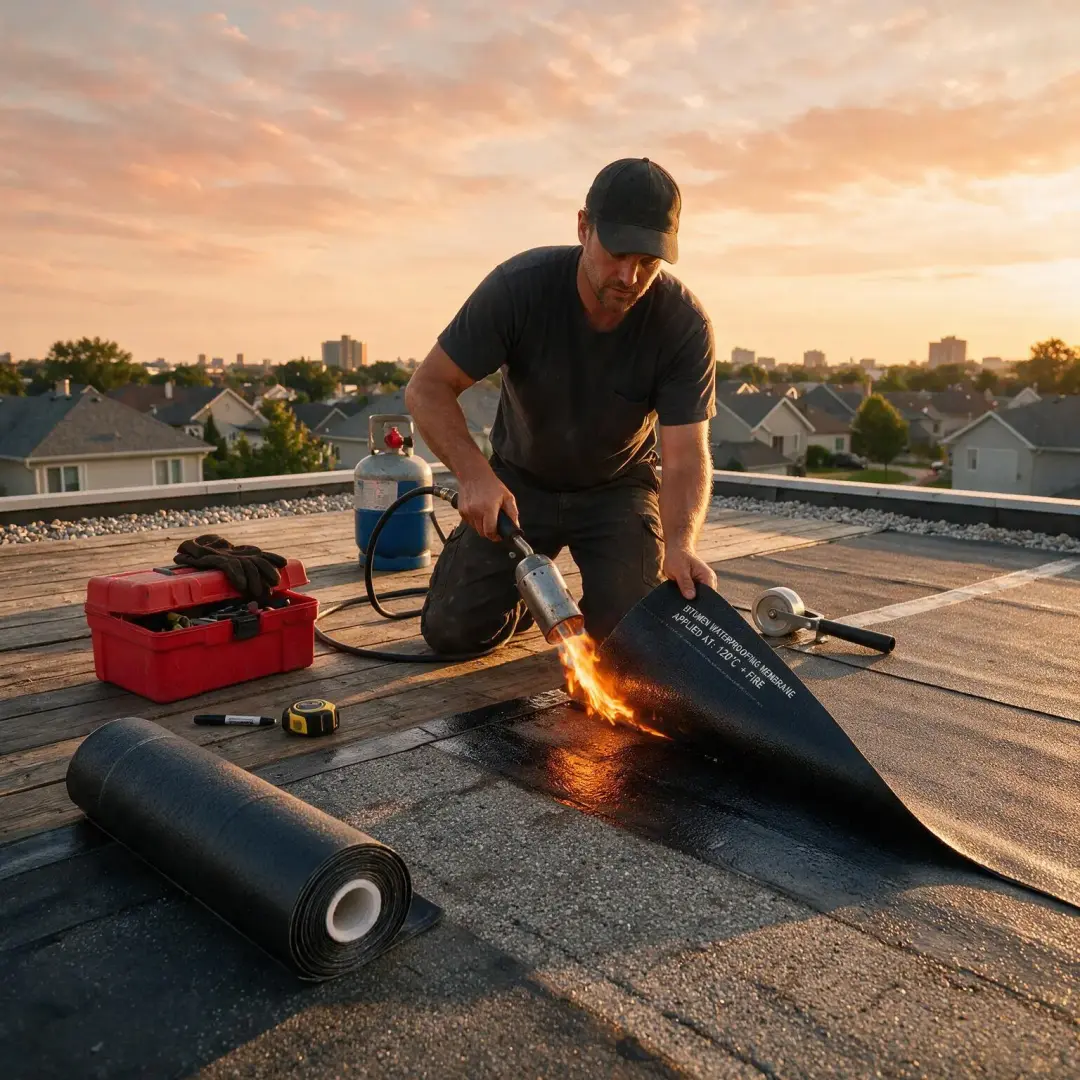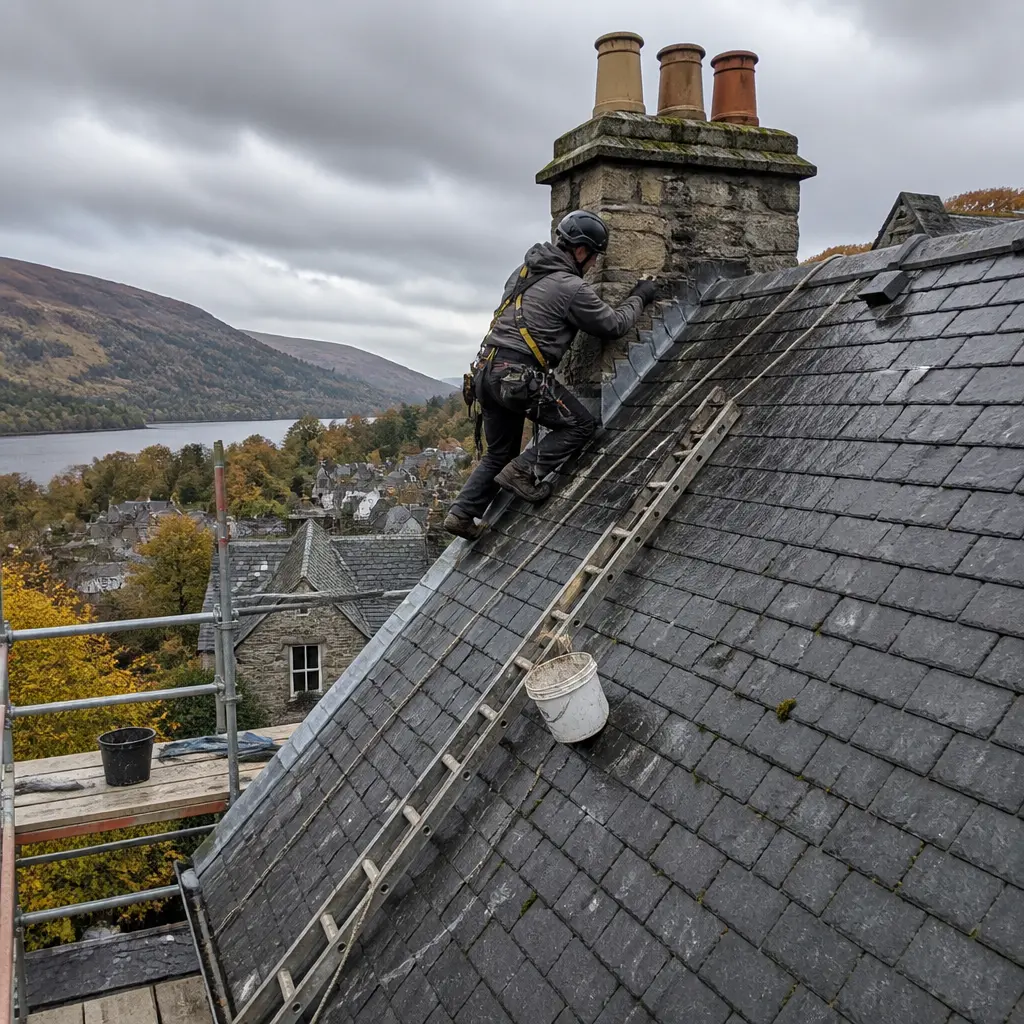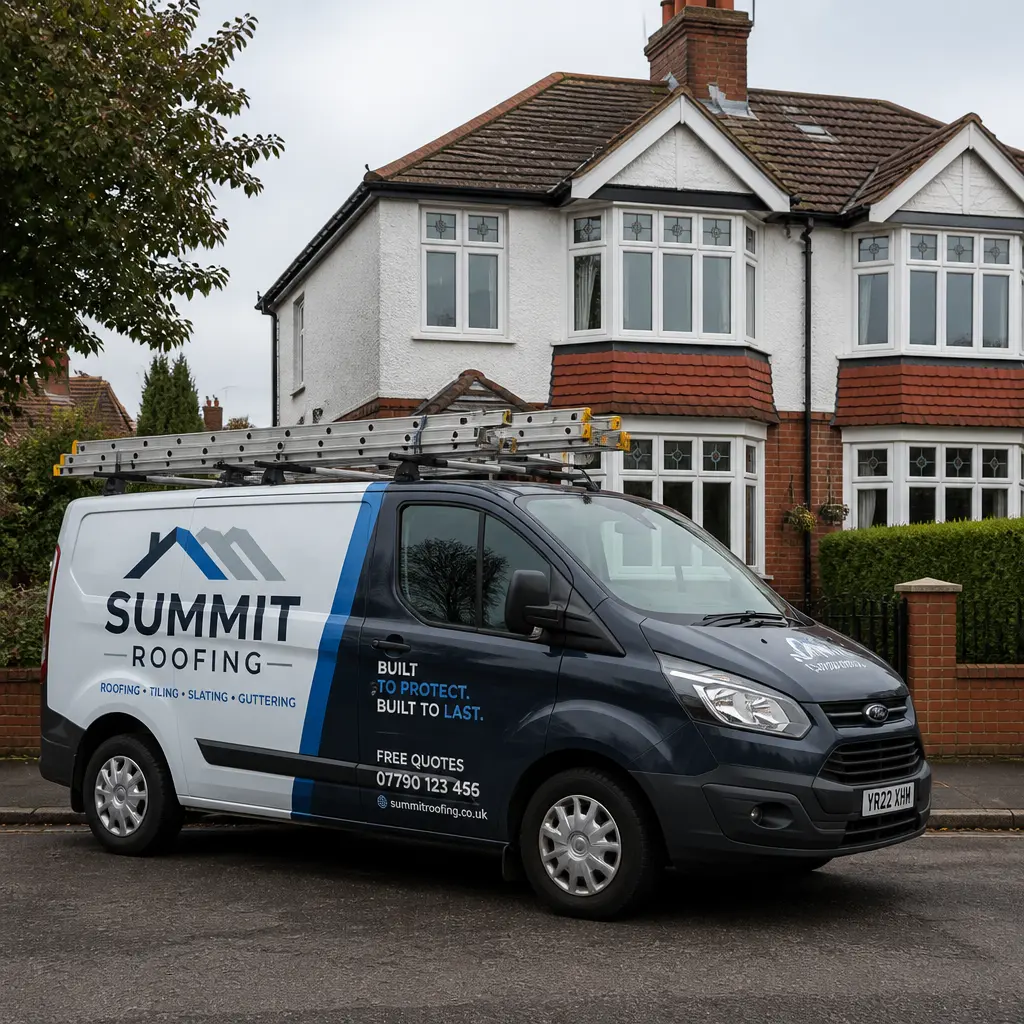
Are you asking: Does a new roof add value to your property? A new roof can add value to a property by improving its condition, appearance, energy performance and appeal to buyers. However, homeowners should not expect every pound spent on a roof replacement to produce an equal increase in the sale price.
The financial effect will depend on the condition of the old roof, the quality of the work, the materials used, the local property market and whether the improvement removes a problem that could have reduced the property's value.
Does a New Roof Add Value to Your Property?
Yes, a new roof can add value to a property, although the increase is not normally a fixed percentage. Its main benefit is often the protection of the property's existing value.
A worn, leaking or visibly damaged roof may cause buyers to reduce their offers. They may also worry about damp, damaged roof timbers, insulation problems and the cost of future repairs.
Replacing the roof can remove these concerns. It may make the property easier to market, reduce the chance of difficult survey findings and give buyers confidence that a major part of the building should not require immediate attention.
The effect is usually strongest when the old roof is close to failure. Replacing a roof that remains in good condition may provide practical benefits, but it is less likely to produce a large increase in the sale price.
A local estate agent or qualified property valuer can provide an estimate based on the property type, roof condition and recent sales in the area.
- A new roof can protect the property from water damage and further repair costs
- It may make the home more attractive to buyers and mortgage lenders
- A replacement can prevent buyers from reducing their offers to cover future work
- Matching materials and good workmanship can improve the outside appearance
- Roof insulation improvements may support a better energy rating
- The average UK property price was £271,000 in May 2026
- Average UK house prices increased by 2.7% in the year to May 2026
- Homes with roof disrepair were more than twice as likely to report storm-related moisture damage as homes without roof disrepair
The value added should not be confused with the total cost of the work. A property owner may spend more on a replacement roof than the immediate rise in the sale price. The project may still be worthwhile because it prevents further damage, improves the sale process and provides many years of protection.
| Roofing situation | Possible effect on value | Reason |
|---|---|---|
| Old roof with active leaks | Potentially significant | Replacement removes a serious defect and reduces the risk of further damage |
| Roof nearing the end of its expected life | Moderate | Buyers are less likely to budget for an early replacement |
| Roof that is sound but looks untidy | Limited to moderate | A cleaner appearance may improve first impressions |
| Roof replacement with insulation improvements | Moderate | May improve comfort, energy use and the property's energy rating |
| Premium materials that do not suit the property | Limited | Buyers may not pay extra for materials they did not choose |
| Poorly installed replacement roof | Negative | Faults, missing records or unsuitable materials may create new concerns |
How Much Value Can a New Roof Add?
There is no reliable percentage that applies to every home. Property prices are affected by location, size, condition, demand, interest rates and the prices achieved by similar homes nearby.
A new roof is unlikely to turn a property worth £250,000 into one worth £300,000 by itself. It may instead stop the property from being valued below similar homes because of a serious roofing defect.
For example, a buyer who expects to spend £15,000 on roof work may reduce their offer by that amount or more. The extra reduction may reflect the risk of hidden damage, disruption and unexpected costs.
Completing the work before selling may remove this allowance. However, the final increase in value may still be less than the amount spent, particularly if the old roof was repairable.
The latest official figures show that the average UK property price was £271,000 in May 2026, following annual growth of 2.7%. These national figures provide market context, but they cannot show the value of an individual roof replacement.
How Does Roof Condition Affect a Sale?
The roof is an important part of a property survey. A surveyor may comment on cracked tiles, missing slates, worn coverings, failed flashing, damaged gutters, poor ventilation or signs of water entry.
A serious defect can affect the buyer's confidence. It may lead to a lower offer, a request for specialist reports or a delay while repair quotations are obtained.
Some buyers may withdraw when they believe the work will be costly or difficult. This is more likely when the survey also finds damp, damaged timbers or unsafe alterations.
A roof in good condition can support a smoother sale. It does not guarantee that the property will achieve a higher price, but it removes a common reason for negotiation.
Keep invoices, guarantees, inspection reports, photographs and approval documents. These records can help show that the replacement was completed correctly.
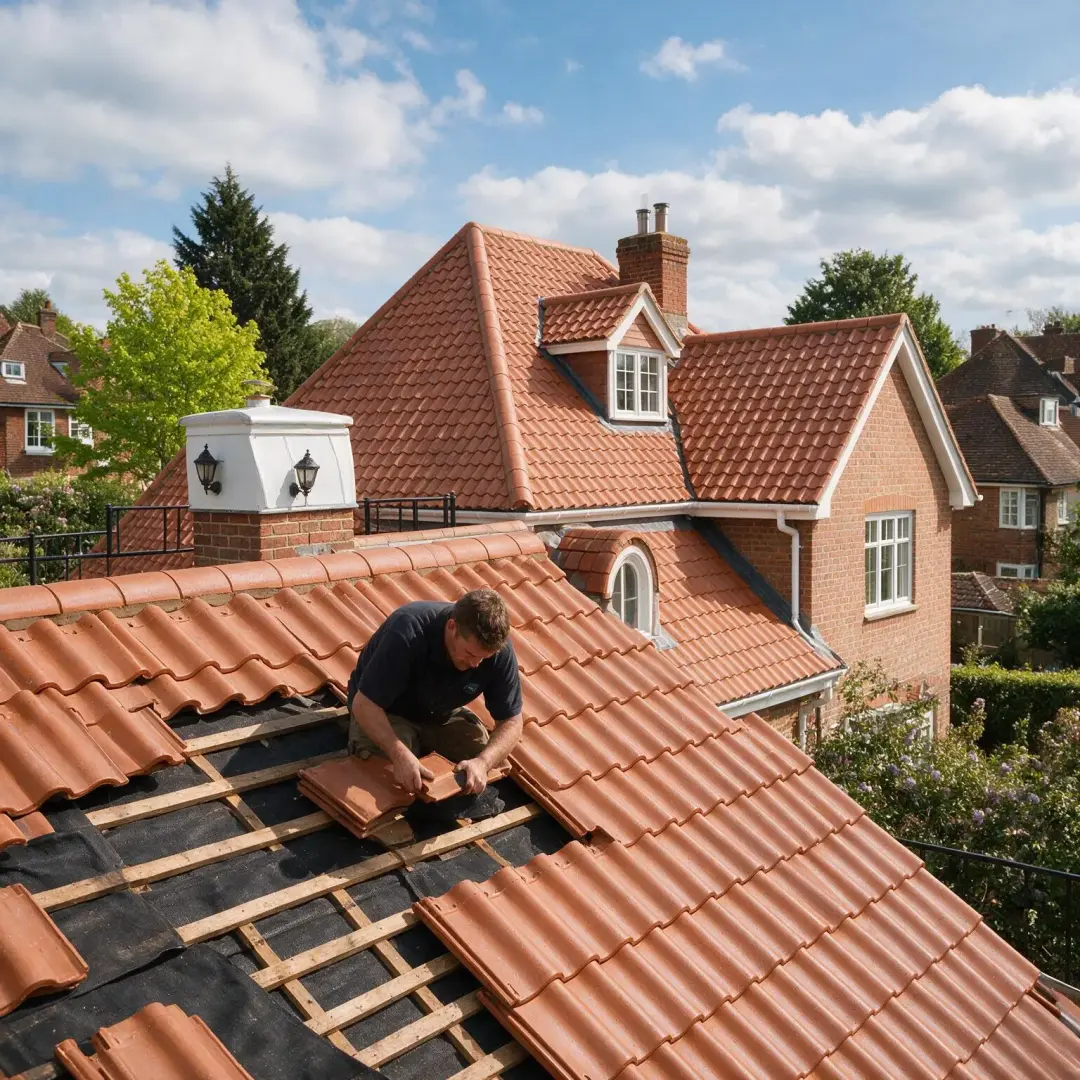
Can a Damaged Roof Reduce Property Value?
Yes. A damaged roof can reduce value when buyers believe that repairs are urgent, uncertain or likely to uncover further problems.
A small visible leak may have affected insulation, plaster, electrical fittings or timber. Buyers may therefore reduce their offers by more than the expected cost of replacing a few tiles.
Recent English Housing Survey figures show why roof condition matters. During 2024 to 2025, 38% of homes with roof disrepair experienced moisture damage following a storm. The figure was 17% among homes without roof disrepair.
The same survey found that 4.3 million households, equal to 17% of households, noticed new moisture damage after intense rain or a storm during the previous year.
Not every damp problem is caused by the roof. However, failed coverings, flashing and drainage can allow rainwater to enter the building. Repairing the source before marketing the property may prevent the problem from becoming more expensive.
Does a New Roof Make a Property Easier to Sell?
A new roof may make a property easier to sell because buyers can see that a major maintenance project has already been completed.
This can be especially useful when the property is compared with similar homes that still have old or damaged roofs. A buyer may prefer the home that appears ready to occupy, even when both properties have a similar asking price.
The words “new roof” can also be useful in a property listing, provided the description is accurate. The seller should be able to state when the work was completed, what was replaced and whether a guarantee is available.
A new roof will not solve every selling problem. An unrealistic asking price, poor internal condition or an unsuitable location can still limit demand.
The best result usually comes when the roof forms part of a well-maintained property. Buyers are more likely to recognise its value when the gutters, walls, windows and internal rooms are also in reasonable condition.
Can a New Roof Improve Energy Efficiency?
A roof replacement creates an opportunity to inspect and improve the insulation, ventilation and airtightness of the roof space. These changes may reduce unwanted heat loss and make the property more comfortable.
The roof covering itself is only one part of energy performance. The amount and condition of the insulation will usually have a greater effect on heat loss.
English Housing Survey figures show that 56% of homes were in energy-efficiency bands A to C in 2024, compared with 26% in 2014. Around 42% of homes had more than 200 millimetres of loft insulation, up from 38% in 2014.
Better energy performance can appeal to buyers who are concerned about heating costs. However, a new roof will not automatically improve the property's rating. The result will depend on the insulation, ventilation, heating system, windows and other parts of the building.
An updated Energy Performance Certificate can show whether the completed improvements have changed the rating.
Which Roofing Materials Add the Most Value?
The most valuable roofing material is not always the most expensive one. A suitable material should protect the building, match its design and meet any local planning or building requirements.
Natural slate may be attractive on older or higher-value properties, particularly where it matches neighbouring roofs. Clay and concrete tiles are common choices for many homes and are available in a wide range of styles.
Metal roofing may suit extensions and modern designs. Flat roofs may use felt, rubber, liquid systems or other approved coverings, depending on the structure and intended lifespan.
Using a material that looks out of place can reduce the visual benefit. This may be especially important for listed buildings, conservation areas and rows of similar properties.
Buyers are also likely to consider the quality of the installation. A modest material installed correctly may provide more value than a premium product fitted poorly.
Does the Appearance of a New Roof Matter?
The roof can form a large part of the property as viewed from the street. Broken tiles, heavy staining, uneven lines and damaged gutters may create a poor first impression.
A neat replacement can improve the appearance of the whole building. Matching ridge tiles, clean edges and suitable rainwater goods can make the work look complete.
Visual improvement is more important when the roof is clearly visible from the road or forms part of the main front section of the home. It may have less effect on a roof hidden behind a parapet or positioned at the rear.
The new covering should suit the building rather than simply look new. A colour, shape or finish that conflicts with the age of the home may reduce its appeal.
Homeowners should ask to see samples before work starts. Viewing materials outside in natural light can prevent an unsuitable choice.
Should You Replace the Roof Before Selling?
Replacing the roof before selling may be sensible when it has active leaks, widespread damage or a limited remaining life. Completing the work can remove uncertainty and allow the property to be marketed in better condition.
A replacement may be less suitable when the roof only needs a small repair. Spending a large amount shortly before moving may not produce an equal increase in the sale price.
Consider how quickly the property needs to be listed. A full replacement may require surveys, quotations, materials, access equipment and suitable weather. The work could delay marketing if it is not planned early.
Ask an estate agent how roof condition affects similar homes in the local market. A roofing inspection can then confirm whether repair or replacement is the more suitable option.
Sellers who decide not to replace a damaged roof should be open about known problems. A survey is likely to identify visible faults, and unexpected findings can cause delays later in the sale.
| Question | Replacement may be suitable when | Repair may be suitable when |
|---|---|---|
| How widespread is the damage? | Large areas are worn, cracked or leaking | The problem is limited to a small area |
| How old is the covering? | It is close to the end of its useful life | Most of the covering remains sound |
| Are leaks recurring? | Several repairs have failed or new leaks continue to appear | There is one clear and repairable cause |
| Will the home be sold soon? | The defect is likely to discourage buyers or affect lending | A lasting local repair will leave the roof in good condition |
| Is there hidden damage? | Timbers, underlay or insulation require wider access | The structure and surrounding materials are dry and sound |
Can a New Roof Help With a Mortgage or Survey?
Mortgage lenders need the property to provide suitable security for the loan. A roof defect may become a concern when it affects the building's condition, safety or ability to remain weatherproof.
A lender may still approve the mortgage, but it could hold back part of the funds until repairs are completed. In more serious cases, it may require further inspection before making a final decision.
A recently replaced roof can reduce these concerns when the work is supported by suitable records. However, a new appearance alone may not be enough. The surveyor may still inspect the roof space, ventilation, structure and signs of water entry.
Keep evidence of building control involvement where required. Guarantees, contractor details, invoices and photographs may also help answer questions during the sale.
Unauthorised structural changes or missing documents may cause delays even when the roof looks sound. Property owners should check the requirements before work begins rather than trying to obtain records after completion.
Will You Recover the Full Cost of a New Roof?
Homeowners should not assume that they will recover the full cost through a higher sale price. A roof is a necessary part of the building, so buyers normally expect it to be weatherproof and safe.
Replacing a failed roof can restore value that would otherwise be lost. This is different from creating an equal increase above the value of a comparable home with a sound roof.
The financial return may be stronger when the work prevents serious damage, avoids repeated repairs or allows the property to be sold without a large price reduction.
The return may be weaker when expensive materials are chosen mainly for personal taste or when the replacement is completed many years before it is needed.
The owner also receives value through everyday use. This may include a drier home, fewer repair concerns, better comfort, lower maintenance and protection for internal finishes and belongings.
What Factors Affect the Value Added?
The condition of the old roof is one of the most important factors. Replacing a severely damaged roof is likely to have more effect than replacing one that still has many years of useful life.
Workmanship also matters. Straight lines, secure coverings, correct flashing and suitable ventilation help demonstrate that the work has been completed properly.
The roof should match the property's style and local surroundings. Planning controls, listed building rules and conservation area requirements may limit the materials or changes that can be made.
The local housing market will affect the result. Buyers may place greater value on a completed roof replacement when there are several similar homes available or when borrowing costs make future building work harder to fund.
Documentation can also affect confidence. A clear guarantee and evidence of professional work may be more useful to a buyer than a general statement that the roof is new.
- Previous condition: The age, damage and remaining life of the old roof
- Workmanship: The quality of the installation and finishing details
- Materials: Their suitability, expected life and appearance
- Insulation: Whether the work improves heat retention and comfort
- Documentation: Guarantees, invoices, approvals and photographs
- Property type: The size, age, design and value of the home
- Local demand: The number of buyers and competing properties
- Timing: Whether the work is completed shortly before a sale or for long-term ownership
How Can You Get the Best Value From a Roof Replacement?
Begin with a detailed inspection. The contractor should explain whether the roof needs full replacement or whether a repair would provide a lasting result.
Obtain a written quotation that describes the coverings, underlay, battens, flashing, ventilation, insulation, gutters and waste removal. This makes it easier to compare different offers.
Choose materials that suit the property rather than selecting the most expensive option. Check expected lifespan, maintenance needs and guarantee terms.
Ask how the contractor will protect the property from rain while the roof is open. Temporary protection is important because water damage during the work could reduce the value of the improvement.
After completion, store all documents safely. A clear record of the project can support future insurance claims, surveys and property sales.
Frequently Asked Questions
```Does a New Roof Increase the Asking Price?
It can support a higher asking price when the old roof was damaged or close to failure. The final price will still depend on the local market and the condition of the rest of the property.
Is a New Roof a Good Investment?
It can be a good investment when replacement is necessary. The benefits include protecting the building, avoiding further damage and reducing concerns during a future sale.
Should I Replace a Roof That Does Not Leak?
Not always. A roof may need attention before it leaks, but an inspection should confirm its condition and remaining life before a full replacement is agreed.
Do Buyers Prefer a Property With a New Roof?
Many buyers value the certainty of a recently replaced roof. They may be less concerned about immediate repair costs, leaks and disruption.
Does Roof Insulation Add Property Value?
Insulation may improve comfort and energy performance. Its effect on value will depend on the resulting energy rating, heating costs and buyer demand.
Does a Roof Guarantee Help When Selling?
A valid and transferable guarantee may increase buyer confidence. Check its conditions, length and transfer process before describing it in the property listing.
Can Poor Roofing Work Reduce Property Value?
Yes. Leaks, uneven finishes, poor ventilation, unsuitable materials and missing approvals may create new survey concerns and repair costs.
Who Can Estimate the Value Added by a New Roof?
A local estate agent or qualified valuer can consider the roof alongside recent property sales. A roofing contractor can assess condition and cost but may not be qualified to value the property.
Is Replacing Your Roof Worth It?
A new roof can add value, but its greatest benefit is often preventing a damaged roof from reducing the property's price.
Replacement may improve buyer confidence, appearance, weather protection and energy performance. It may also reduce the chance of delays or negotiations following a property survey.
The amount added will vary. The condition of the previous roof, quality of the installation, materials, documentation and local housing market will all influence the result.
A full replacement is not always required. A sound repair may provide better value when the damage is limited and the remaining roof is in good condition.
Before making a decision, arrange a professional inspection and compare the likely cost with the condition of the property and your future plans. This can help you choose work that protects both the building and its market appeal.
We hope you found this article useful: Does a new roof add value to your property? Are you considering a roof replacement services in Birmingham, Dudley or Wolverhampton? Colmore Roofing Contractors can inspect the existing roof, explain whether repair or replacement is suitable and provide a clear quotation. Contact the team to arrange a professional roofing assessment for your property.