Roof replacement is a major project, and small planning errors can lead to leaks, extra costs, delays and poor long-term performance. Common mistakes include choosing a contractor on price alone, accepting an unclear quotation, using unsuitable materials and failing to inspect the roof structure beneath the old covering.
Many problems can be avoided by arranging a detailed inspection, checking what is included in the work and making sure the complete roofing system is considered. This includes the covering, underlay, battens, flashing, ventilation, insulation, drainage and roof timbers.
What Are the Most Common Roof Replacement Mistakes?
Replacing a roof involves much more than removing old tiles and fitting new ones. The work must protect the property from rain, control moisture, allow suitable ventilation and remain secure during strong winds.
Problems often begin before work starts. A homeowner may accept a quotation that gives little detail, select materials that do not suit the building or assume that all roofing contractors provide the same service.
Mistakes can also happen during installation. Poorly fitted flashing, damaged underlay, incorrect tile spacing and blocked ventilation paths may not be obvious when viewed from ground level. However, they can affect the roof for many years.
Government housing figures show why correct roof work matters. During 2024 to 2025, 4.3 million households in England reported new moisture damage following intense rain or a storm. Homes with roofs in disrepair were more than twice as likely to experience storm-related moisture damage as homes without roof disrepair.
A carefully planned replacement can reduce these risks and give the property reliable protection. The following sections explain the mistakes to avoid before, during and after the work.
- Choosing the lowest quotation without comparing the work included
- Failing to check the contractor's experience and insurance
- Replacing the covering without inspecting the roof structure
- Using materials that do not suit the pitch, location or building
- Ignoring ventilation, insulation and condensation control
- Allowing poor flashing around chimneys, walls and roof windows
- Starting work without checking building requirements
- Making large advance payments without clear payment stages
- Failing to arrange safe access and suitable fall protection
- Not keeping quotations, photographs, invoices and guarantees
A professional quotation should explain the complete roofing system, not only the visible covering. Ask which materials will be removed, which parts will be inspected and how any hidden damage will be handled.
It should also cover access equipment, waste removal, flashing, ventilation, insulation, rainwater goods and finishing work. Clear information makes it easier to compare contractors and reduces the risk of unexpected charges.
Do not assume that an attractive finished roof proves that every part has been installed correctly. Some of the most important materials are hidden beneath the tiles or other covering. Photographs taken during the project can provide a useful record of the underlay, battens, timber repairs and insulation before they are covered.
| Common mistake | Possible result | How to reduce the risk |
|---|---|---|
| Choosing on price alone | Missing work, unsuitable materials or extra charges | Compare detailed written quotations |
| Ignoring hidden damage | Rotten timber, wet insulation or weak decking remains in place | Include inspection and repair allowances in the quotation |
| Poor ventilation | Condensation, mould and timber decay | Plan ventilation for the full roof design |
| Incorrect flashing | Leaks around walls, valleys, chimneys and openings | Use suitable materials and correct detailing |
| Unsuitable roof covering | Water entry, movement or early failure | Check pitch, weight, fixing and exposure requirements |
| Poor site protection | Water damage while the old covering is removed | Agree a clear temporary weather protection plan |
Choosing the Cheapest Roof Replacement Quotation
The lowest quotation is not always the least expensive option over the life of the roof. A cheaper price may leave out scaffolding, waste removal, flashing, ventilation or the replacement of damaged timber.
Some quotations provide only a short description such as removing the old roof and fitting new tiles. This does not explain what will happen to the underlay, battens, valleys, ridges, verges, insulation or rainwater system.
Ask each contractor to provide a written list of the work and materials included. The quotation should identify the product being installed, the area being replaced and whether charges may change if hidden damage is found.
Payment terms should also be clear. A reasonable deposit may be required for materials and scheduling, but large payments should not be made without a written agreement and clear progress stages.
Compare value rather than price alone. A more detailed quotation may appear expensive because it includes important work that another contractor has left out. Clear detail also makes it easier to resolve concerns if the completed project does not match the agreement.
Failing to Check the Roofing Contractor
A roof replacement should be completed by people with suitable training, experience and safety arrangements. Do not rely only on photographs posted online or a recommendation without carrying out your own checks.
Ask how long the contractor has completed similar work and whether they have experience with your roof type. A contractor who mainly works on tiled pitched roofs may not have the same experience with slate, metal or flat roofing systems.
Request evidence of suitable insurance and ask who will supervise the project. You should also establish whether the contractor uses employees, other businesses or a mixture of both.
Check recent reviews carefully. Look for comments about communication, cleanliness, unexpected costs and how problems were corrected. One positive or negative review should not decide the matter by itself.
Ask for examples of similar completed projects and, where possible, speak to an earlier customer. A responsible contractor should be willing to explain their working process, safety arrangements and approach to guarantees.
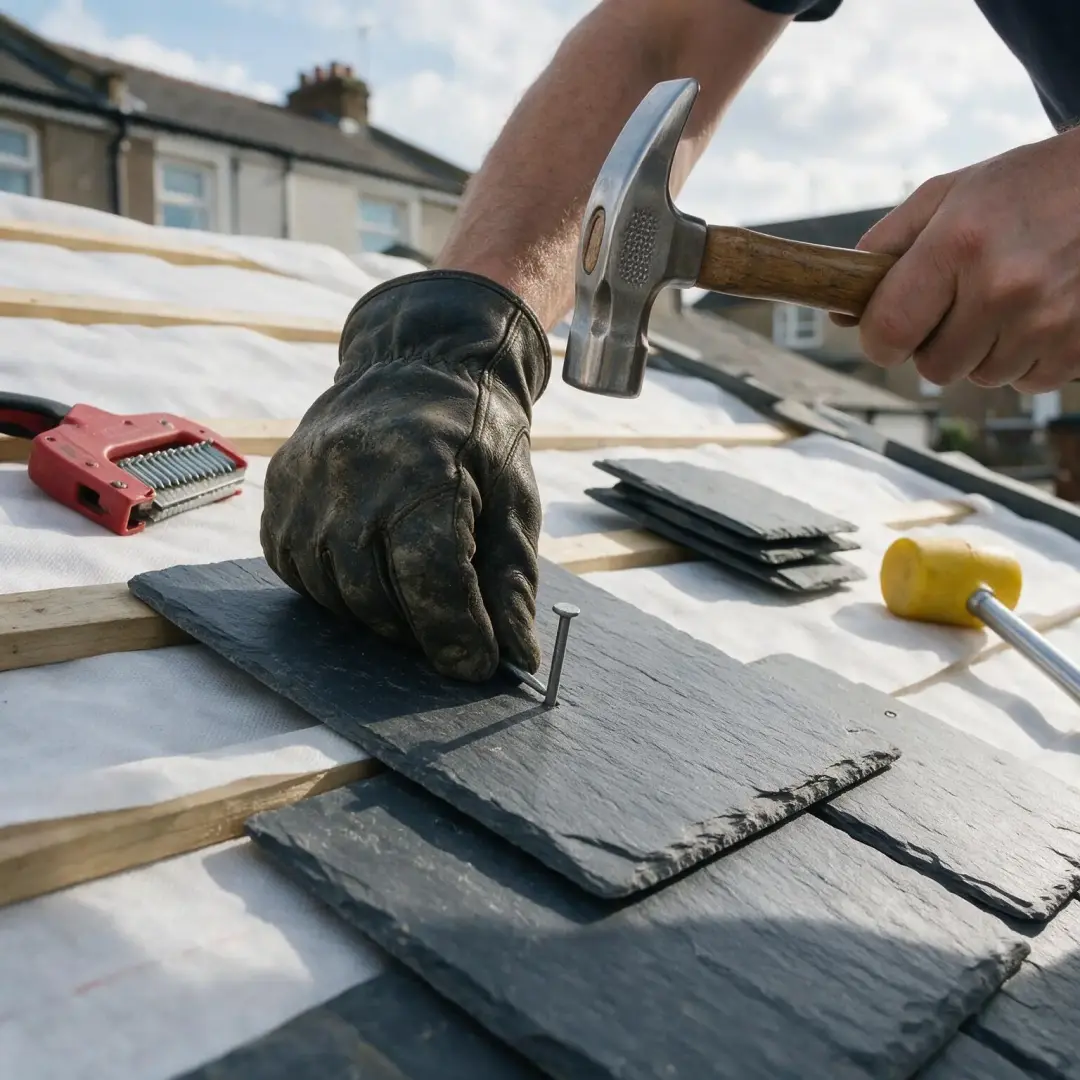
Replacing the Covering Without Inspecting the Structure
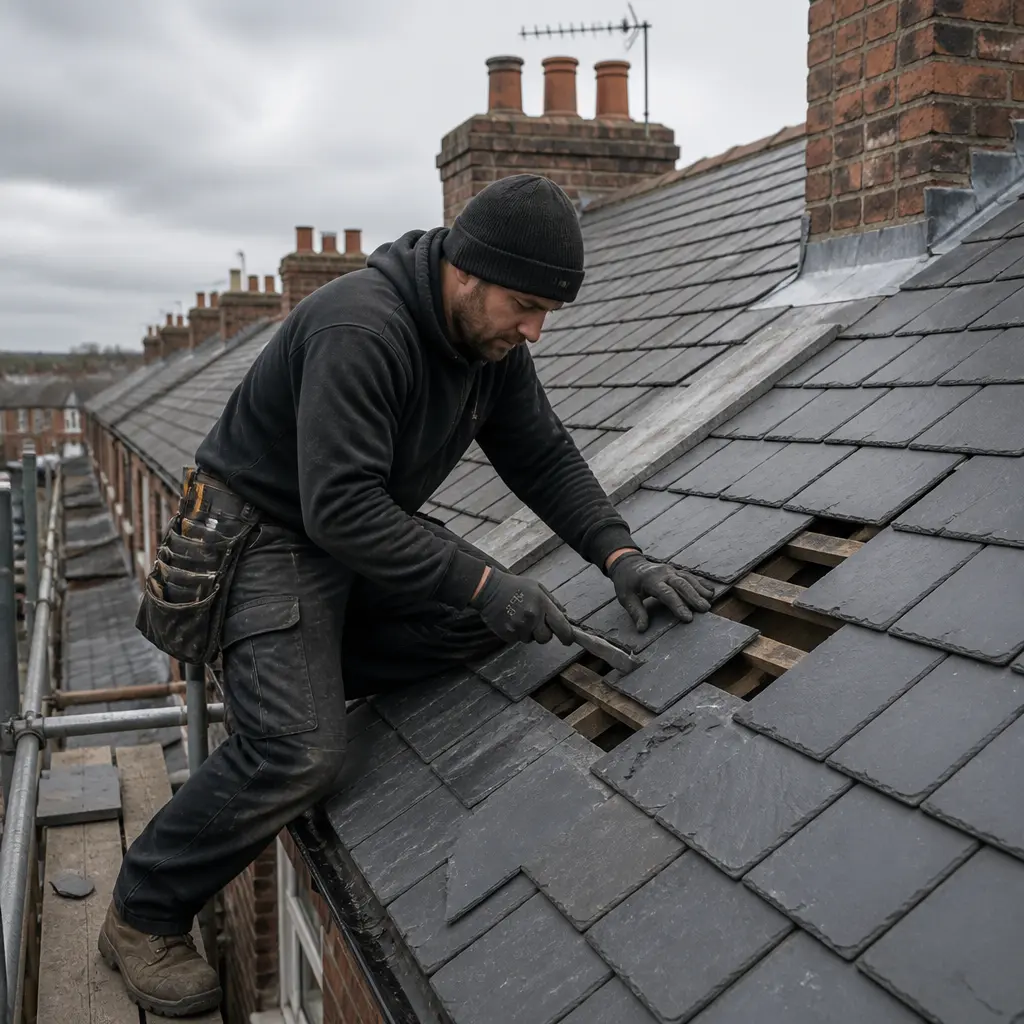
Removing the old roof covering may reveal problems that were hidden during the first inspection. These can include rotten battens, torn underlay, wet insulation, damaged decking and weakened roof timbers.
Fitting new materials over damaged parts may leave the property with a roof that looks new but remains weak or affected by moisture. The problem may then be much harder and more expensive to correct.
The quotation should explain how hidden damage will be assessed and priced. Some contractors include a set amount of minor timber work. Others charge according to the materials and time required.
Ask for photographs before hidden repairs are covered. These should show the affected area, the damaged material that was removed and the completed repair.
Structural concerns require particular care. Sagging, split timbers or movement around supporting walls may need assessment by a suitably qualified professional. Roofing work should not continue until the cause and required repair have been understood.
Using Roofing Materials That Do Not Suit the Property
A roofing material must suit the building, the roof pitch and the local weather conditions. Choosing a covering because of appearance or price alone can lead to poor performance.
Some tiles and slates have a minimum recommended pitch. Installing them on a roof that is too shallow may allow wind-driven rain to pass between the coverings. The headlap, fixing pattern and underlay must also suit the roof design and level of exposure.
The weight of the new covering matters. Changing from a light product to a much heavier one may place extra pressure on the roof structure. Structural checks and building requirements may apply when the load changes significantly.
Materials should also suit the surrounding property. Planning controls may restrict changes to listed buildings or homes in conservation areas. Matching materials may be important on semi-detached and terraced properties where adjoining roof slopes remain unchanged.
Ask the contractor to provide the product name, specification and guarantee information before installation. This allows you to check whether the material is suitable and helps you obtain matching replacements if future maintenance is required.
Ignoring Roof Ventilation and Condensation
A roof must manage moisture from both outside and inside the property. The covering helps keep rain out, while insulation, ventilation and moisture control help protect the roof space from condensation.
Problems can arise when new insulation blocks ventilation at the eaves or when parts of an older ventilation system are removed during replacement. Warm, moist air may then collect in the roof space and condense on colder surfaces.
This moisture can affect insulation, underlay and timber. Over time, it may contribute to mould, staining and decay. Government figures recorded damp problems in 1.4 million homes in England during 2024.
Ventilation should be planned for the complete roof rather than added as an afterthought. The correct approach will depend on whether the roof is designed as a cold roof, warm roof or another construction type.
More ventilation is not automatically better. Openings must be positioned and sized correctly, and insulation should not create unplanned gaps or cold areas. Ask how the contractor will maintain airflow while also reducing unwanted heat loss.
Installing Flashing and Roof Details Poorly
Many roof leaks occur at joints and changes in direction rather than through the main covering. These vulnerable areas include chimneys, valleys, walls, roof windows, dormers, pipes, ridges and verges.
Flashing directs water away from these connections. It must be correctly shaped, fixed and joined to the surrounding materials. Short sections, open joints and poor sealing can allow water to enter behind the roof covering.
Sealant should not be used as a replacement for proper construction. Some products are useful as part of an approved system, but a thick line of sealant will rarely correct badly fitted flashing or an unsuitable joint.
Valleys and outlets must also remain clear. Mortar, broken tiles, packaging and other waste can restrict drainage and cause water to collect.
Ask for close photographs of important details before access equipment is removed. These photographs can help confirm that the work was completed and provide a useful record for future inspections.
Missing an Opportunity to Improve Insulation
Roof replacement can provide an opportunity to check insulation that may be difficult to reach at other times. However, insulation should be planned carefully so it does not block ventilation or trap moisture.
In 2024, 56% of homes in England were within energy-efficiency bands A to C, compared with 26% in 2014. Government figures also showed that 42% of dwellings had at least 200 millimetres of loft insulation.
These figures show that housing energy performance has improved, but many properties still have room for improvement. The right work will depend on the existing insulation, roof construction and how the roof space is used.
Ask whether the quotation includes insulation and what thickness and material will be installed. The contractor should also explain how ventilation paths, loft hatches, water tanks, cables and recessed lights will be handled.
Insulation should not be compressed or left with large gaps. Uneven installation can reduce its performance and create colder areas where condensation may form.
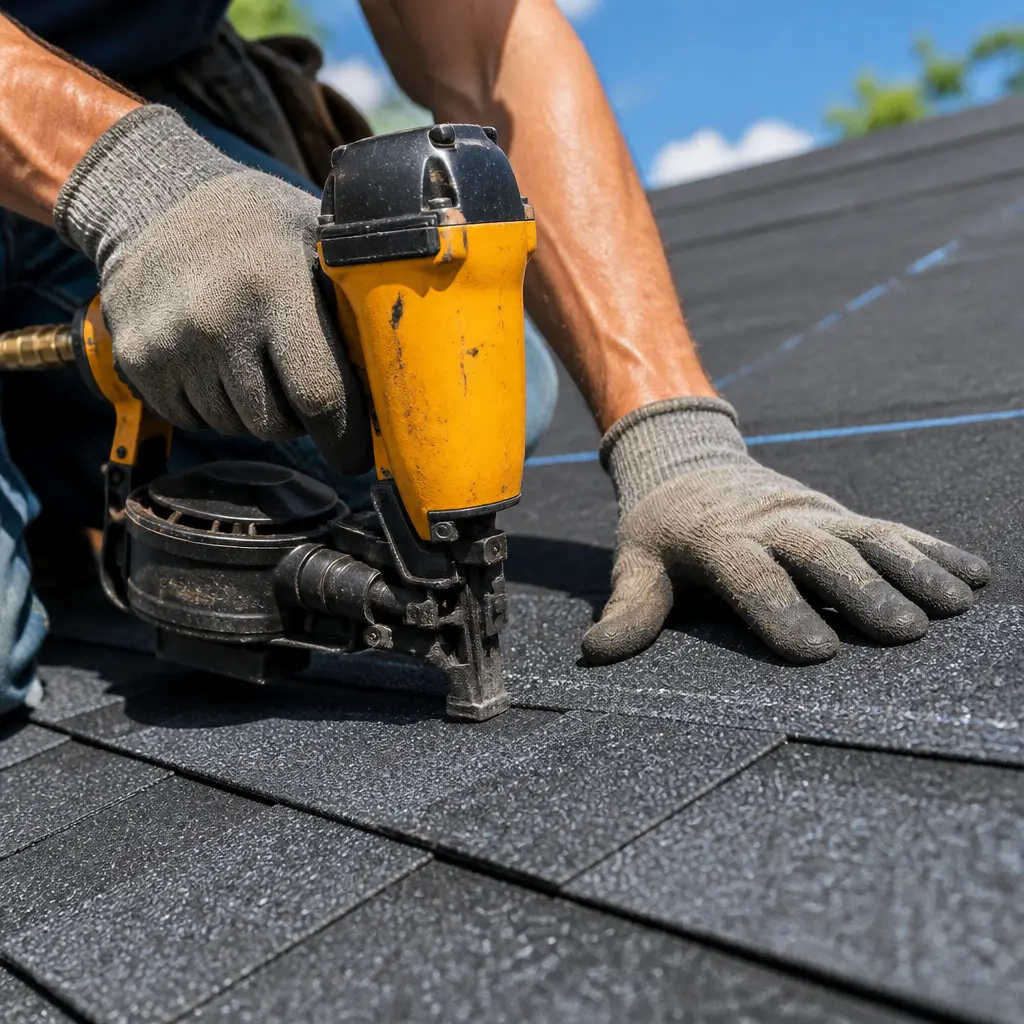
Failing to Protect the Property During the Work
A property becomes vulnerable when part of the old roof has been removed. Sudden rain can damage insulation, ceilings, plaster, decoration and electrical fittings if temporary protection is not available.
Ask how much of the roof will be opened at one time and how exposed areas will be protected at the end of each working day. Covers should be secure enough to withstand expected wind and rain.
Materials stored on the roof should also be controlled. Excessive loads can damage the structure, while loose tiles, tools and packaging can create a risk to workers and people below.
The garden, driveway and neighbouring property may need protection from dust and falling debris. Agree where skips, scaffolding and materials will be placed before work begins.
Rainwater goods should remain usable where possible. Blocked or disconnected gutters can direct water onto walls and foundations. Gutters and outlets should be cleaned and checked before the project is completed.
Overlooking Roof Replacement Safety
Roof work is dangerous, even when a project appears small. The Health and Safety Executive states that almost one in five deaths in construction work involve roof work. Falls from roof edges, openings and fragile surfaces are among the main causes.
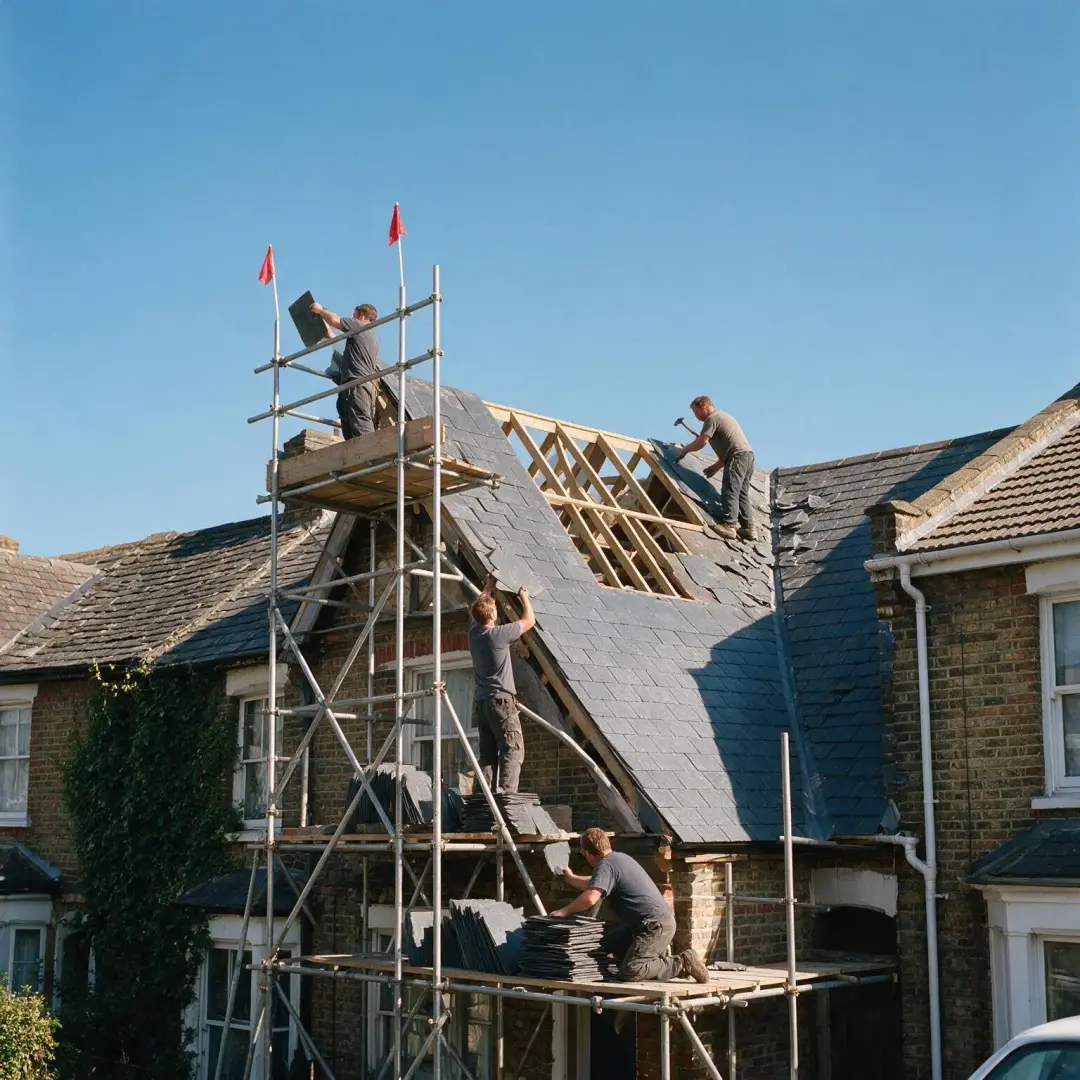
The contractor should plan safe access, edge protection and the movement of materials. Scaffolding may be required around more than one side of the building, particularly where workers or materials could fall.
Existing rooflights, corroded sheets and weakened roof materials may be fragile. The Health and Safety Executive states that falls through fragile surfaces account for 22% of fatal falls from height in construction.
Homeowners should not climb scaffolding or enter working areas without permission. Children and pets should also be kept away from access equipment, skips and stored materials.
A very low quotation may be a warning sign if it does not allow for suitable access and safety measures. Safe working arrangements protect the people completing the project, the occupants, visitors and neighbouring properties.
Starting Without Checking Building Requirements
Some roof repairs may be treated as normal maintenance. More extensive replacement, structural changes and alterations to insulation may be covered by building regulations.
Approval may be needed when a large part of the roof covering is replaced, when the weight of the covering changes significantly or when structural work is completed. Energy performance and fire safety requirements may also apply.
Planning permission is separate from building regulations. Extra controls may affect listed buildings, properties in conservation areas and projects that alter the roof's shape, height or appearance.
Requirements differ across England, Wales, Scotland and Northern Ireland. This article provides general guidance for homeowners in England. The local planning authority or building control body should be contacted when the position is unclear.
Do not assume that the contractor will deal with every application automatically. The written agreement should state who is responsible for notifications, inspections, fees and completion documents.
| Question to ask before work starts | Why it matters |
|---|---|
| Which exact materials will be installed? | You can check their suitability, appearance and guarantee |
| How will hidden damage be priced? | This reduces the risk of unexpected charges |
| How will the roof remain protected from rain? | Temporary protection can prevent internal water damage |
| What ventilation will be provided? | Correct airflow can reduce condensation risks |
| Who will arrange building control? | The responsibility should be agreed before work begins |
| What does the guarantee cover? | Material and workmanship cover may have different terms |
| How will the site be left each day? | This helps manage access, waste and property protection |
Accepting an Unclear or Limited Guarantee
A guarantee should be read before the agreement is signed. Do not assume that every fault, leak or material problem will be covered for the same period.
Materials may have a manufacturer's guarantee, while the contractor provides separate cover for installation. The material guarantee may depend on the product being installed in line with the manufacturer's instructions.
Ask what the workmanship guarantee includes, how long it lasts and what you must do if a problem appears. Check whether inspections or maintenance are required to keep the cover valid.
You should also ask whether the guarantee can be transferred to a future owner. Transferable documents may be useful if the property is sold.
Keep the guarantee with the signed quotation, invoices, product information, building control documents and project photographs. A guarantee may be difficult to use if there is no clear record of what was installed and when the work was completed.
Not Inspecting the Finished Roof
The project should be checked before the final payment is made and before scaffolding is removed. Ground-level appearance alone may not reveal problems with valleys, flashing, roof windows or hidden drainage points.
Ask the contractor to provide photographs of areas that cannot be viewed safely. Check that the roof covering appears even, ridge materials are secure and flashing is complete.
Gutters should be clean, correctly aligned and securely fixed. Water should flow towards the outlets rather than collect in low areas.
Inside the roof space, check that insulation has not been disturbed and ventilation paths remain open. Look for daylight in unexpected places, damaged materials or signs that rain entered during the work.
Any concerns should be recorded in writing. Agree which items will be corrected and when they will be completed. Avoid climbing onto the roof yourself, as roof access requires suitable equipment and safety precautions.
- Arrange a full inspection: Check the covering, underlay, battens, insulation and structural timber
- Compare complete quotations: Review the work and materials rather than price alone
- Check the contractor: Confirm relevant experience, insurance and supervision
- Plan for hidden damage: Agree how extra repairs will be approved and priced
- Use suitable materials: Consider roof pitch, weight, exposure and appearance
- Protect ventilation: Do not allow insulation or new work to block required airflow
- Confirm approvals: Establish who will contact building control or the planning authority
- Keep clear records: Save quotations, photographs, invoices, guarantees and certificates
How Can a Professional Inspection Prevent Mistakes?
A detailed inspection can identify the likely cause of existing leaks and show whether the planned replacement covers every affected part of the roof.
The inspection should consider the roof slopes, ridges, valleys, flashing, chimneys, roof windows, gutters and connections with adjoining walls. The roof space should also be checked where access is available.
Photographs can help explain problems that are difficult to see from the ground. They also create a record that can be compared with photographs taken during and after the work.
An inspection cannot always reveal every hidden defect. However, it should identify areas where damage is more likely and help the contractor prepare a realistic allowance.
A responsible contractor should explain which parts require replacement, which parts remain serviceable and whether any related work can wait. This helps prevent unnecessary work while reducing the risk that an important defect is missed.
Frequently Asked Questions
```What Is the Biggest Roof Replacement Mistake?
One of the biggest mistakes is choosing a quotation without checking the work included. A low price may exclude scaffolding, timber repairs, ventilation, flashing, waste removal or building control costs.
Should All Roof Timbers Be Replaced?
No. Sound roof timbers may remain in place. Damaged, rotten or structurally weak parts should be assessed and repaired or replaced as required.
Can New Tiles Be Fitted Over Old Battens?
This depends on the condition, spacing and suitability of the existing battens. New battens are often fitted during a full replacement so the contractor can create the correct spacing and remove damaged material.
Does a Roof Replacement Always Need New Underlay?
A full replacement will normally include suitable underlay beneath the new covering. The product and installation method should suit the roof design and ventilation plan.
Can Roof Replacement Cause Condensation?
Condensation may develop if insulation, ventilation and moisture control are not planned correctly. Blocking eaves ventilation or changing the roof construction without considering airflow can increase the risk.
Should Gutters Be Replaced With the Roof?
Not always. Existing gutters may remain if they are sound, correctly aligned and suitable for the roof. Damaged or poorly positioned sections should be repaired or replaced.
How Can I Check Roof Work Safely?
Do not climb onto the roof. Ask for photographs, view accessible areas from ground level and inspect the roof space where it is safe to do so. A separate professional inspection may also be arranged.
Should I Pay for the Full Roof in Advance?
Payment arrangements vary, but the agreement should set out clear stages. Avoid making a large advance payment without a detailed contract, evidence of the contractor and a clear reason for the amount requested.
What Documents Should I Receive?
Keep the signed quotation, invoices, product details, guarantees, photographs and any building control or planning documents connected with the project.
How Can You Avoid Roof Replacement Mistakes?
Begin with a detailed inspection and a written description of the work. The contractor should explain why replacement is needed, which materials will be used and how hidden damage will be managed.
Compare quotations carefully. Check whether each price includes access, waste removal, underlay, battens, flashing, ventilation, insulation, gutters and finishing work.
Make sure the materials suit the pitch, structure and location of the property. Ask how the roof will remain protected from rain and how workers will access the area safely.
Agree payment stages, guarantees and responsibility for approvals before work begins. During the project, request photographs of hidden parts before they are covered.
Finally, inspect the completed work and keep every document. Careful planning will not remove every possible problem, but it can greatly reduce the risk of leaks, unexpected costs and early roof failure.
We hope you found this article useful: Common Roof Replacement Mistakes. Are you considering roof replacement services in Birmingham, Dudley or Wolverhampton? Colmore Roofing Contractors can inspect your roof, explain the work required and provide a clear quotation. Contact the team to arrange a professional roofing assessment.